
Reviewed · SALEM WITCH TRIALS TOURS
Best Salem Witch Trials Historical Walking Tour
Salem gets real, fast. This 90-minute, on-foot tour connects the major 1692 Salem Witch Trials landmarks into one easy route, with a guide and stories that explain how accusations spread through the town. I love the guide’s tight pacing and the chance to stop at the Salem Witch Trials Memorial and the Witch House, where the history stops being abstract and starts feeling personal. One possible drawback: you’ll be on sidewalks with stairs and uneven pavement, and there are no public restrooms along the way.
In This Review
- Key Points I’d Plan Around
- Meeting on Central Street, Getting Your Bearings Fast
- Salem Witch Trials Memorial Benches: The Names Are the Point
- Rockafellas: When the First Church Became a Key Meeting Space
- Joshua Ward House to Merchant Hotel: George Corwin and the Machinery of Arrests
- The Witch House: Judge Jonathan Corwin’s Home and the Word Witch
- Sewall Street and the Salem YMCA: Betty Parris and the Rumor Engine
- Lyceum Hall and Bridget Bishop: Eight Days from Arrest to Execution
- Witch Dungeon Museum: How Jails Turned Fear Into Profit
- Bewitched Statue and the Ironic Afterlife of Salem
- Washington Street Court Site and 50 St Peter Street Jail Stories
- Price and Pace: Is $30 Worth It?
- Tips for Getting the Most Out of It
- Should You Book This Salem Witch Trials Walking Tour?
- FAQ
- How long is the Salem Witch Trials Historical Walking Tour?
- How much does it cost?
- Where do I check in before the tour starts?
- What times do tours depart?
- Is the tour offered in all weather?
- Are there public restrooms on the tour?
- What admission costs are included versus not included?
- Is the tour suitable for children?
- Can I get a refund if I cancel?
Key Points I’d Plan Around
- A guided, about one-mile route that fits into a tight Salem schedule
- Memorial benches with named victims, death dates, and basic symbolism
- Rockafellas and other downtown sites that show how the town center drove decisions
- The Witch House, the only remaining structure directly tied to 1692 events
- Courts and jail locations, including sites tied to Giles Corey and the Witchcraft Court
Meeting on Central Street, Getting Your Bearings Fast
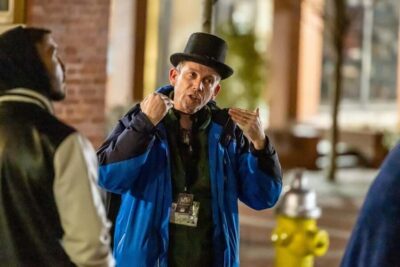
Start at 8 Central Street, where you’ll check in at the Salem Historical Tours office. Guides depart at 10 am, 1 pm, and 4 pm, and the best move is arriving about 15 minutes early so you can get your bearings before walking begins. You’ll meet your guide holding a recognizable sign, and the group stays fairly small, capped at 40 people.
Once you start, the tour is designed to reduce the “where was that again?” problem that hits Salem fast. Buildings from 1692 are mostly gone, so the guide relies on the locations that still make sense today, plus historic references to show where structures used to be. You’ll get a clear timeline instead of bouncing between random plaques.
One practical note: Salem streets can get crowded, especially around October, and parking can be a mess. If you’re driving, give yourself extra time no matter what your phone says.
More on the witch trials and where they happened:
- The Salem Witch Walk★ 4.5 · 1,301 reviews
- Wicked Awesome Tours: Witch Trial History and Salem Haunts!★ 5.0 · 1,032 reviews
- Salem Ghost Tour: Witches & Wicked Whispers★ 4.5 · 571 reviews
Salem Witch Trials Memorial Benches: The Names Are the Point
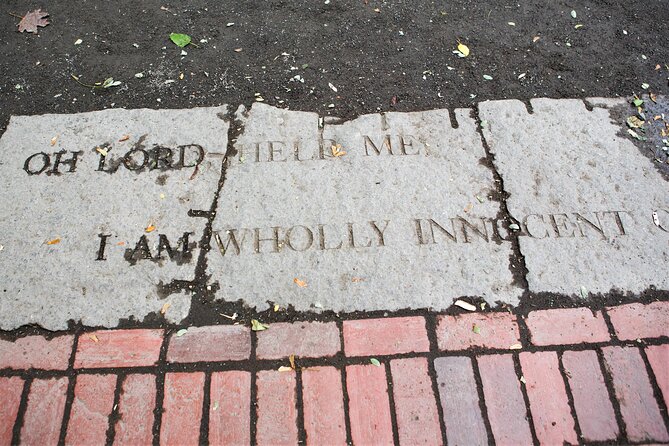
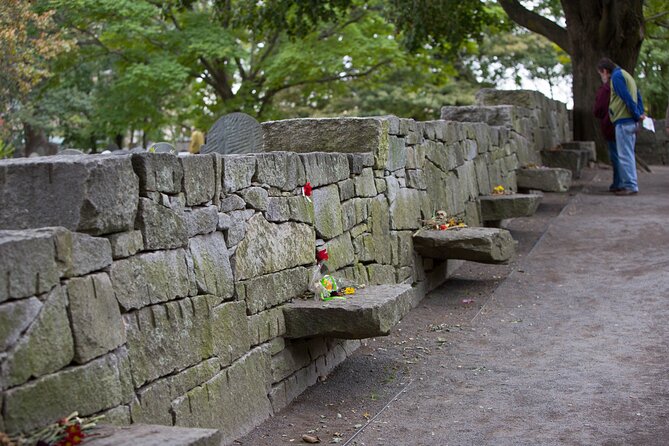
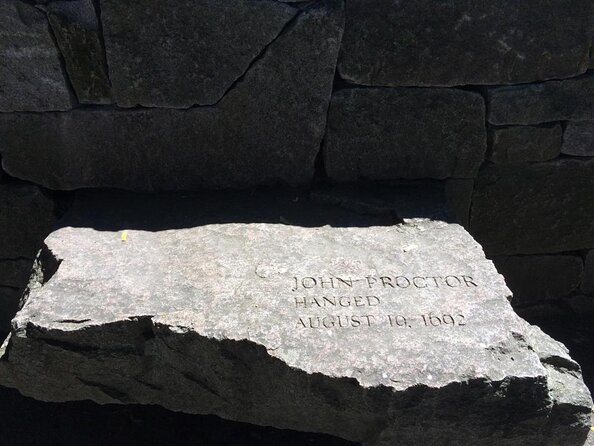
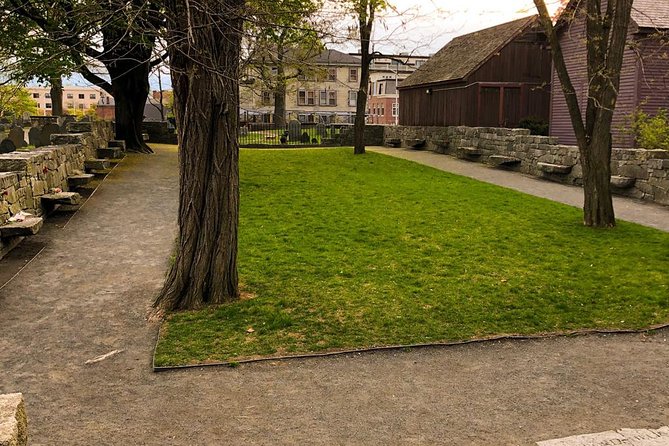
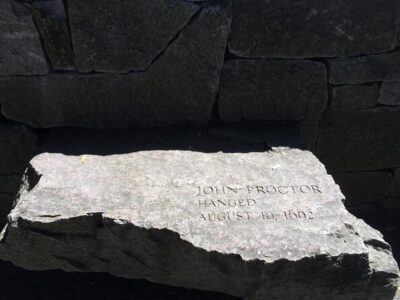
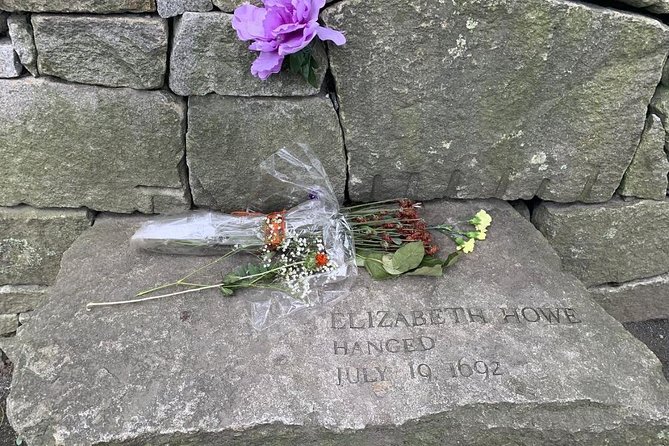
The tour’s tone gets serious right away at the Salem Witch Trials Memorial. This memorial was dedicated in 1992, and it’s built as bench-style segments with names of the 20 innocent victims from the 1692 trials. Each bench includes how the person died and the date, so you’re not just hearing general tragedy, you’re seeing the list.
I like that this stop is not just a photo moment. The guide explains the symbolism behind the memorial, then ties the names back to the human stories of the accusations. It’s the kind of stop that makes the rest of the walk hit harder, because you’ve already connected faces to dates.
If you’re the type who wants emotion with context, this is the anchor stop. If you’re mainly here for “where did it happen,” you’ll still benefit because the memorial helps you understand what the landmarks mean in real life.
Rockafellas: When the First Church Became a Key Meeting Space
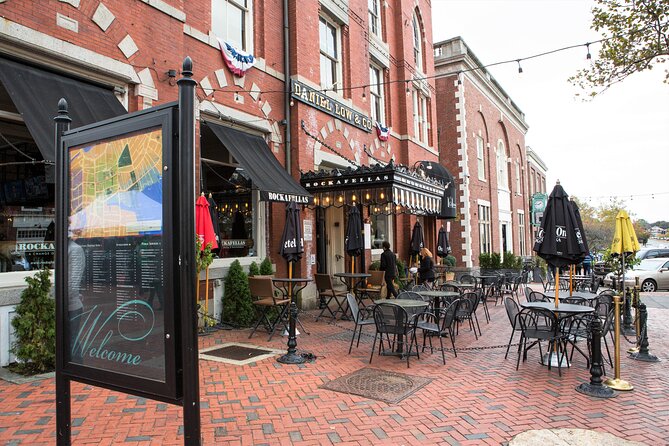
Next comes a location that is now an easy place to grab food, but it carries serious trial-era history. Rockafellas Restaurant sits in the Daniel Low and Co. building, and that spot originally housed the First Church of Salem and the city meeting house in 1692. During the witchcraft hysteria, the town center was where decisions got made, and the guide uses this stop to show how civic and religious life collided.
Even though you’re standing on a modern street scene, the context matters. The point here is not the current building. It’s that this was the kind of central space where public life ran on both belief and authority, which helped accusations move from rumor into action.
This is also a smart stop for time management. It gives you a break from nonstop narration while still keeping you in the middle of Salem’s story.
Joshua Ward House to Merchant Hotel: George Corwin and the Machinery of Arrests
As you continue, you reach the site connected to George Corwin, then linked to the present-day Merchant Hotel. In 1692, Corwin was the High Sheriff of Essex County, and he played a key role by signing arrest and execution warrants for people the guide presents as innocent victims.
This stop is one of the most chilling because it shows how legal authority functioned in everyday ways. The guide explains that Corwin took personal property and that he tortured some people in his home. Whether you lean toward courtroom history or human drama, this location gives you both.
It also helps you understand a core pattern of the Salem trials. The town didn’t just have fearful neighbors. It had officials willing to put fear into documents, seizures, and punishment. Standing at the sheriff’s connected site makes that pattern feel less like abstract “bad history” and more like a set of choices made by named people.
The Witch House: Judge Jonathan Corwin’s Home and the Word Witch
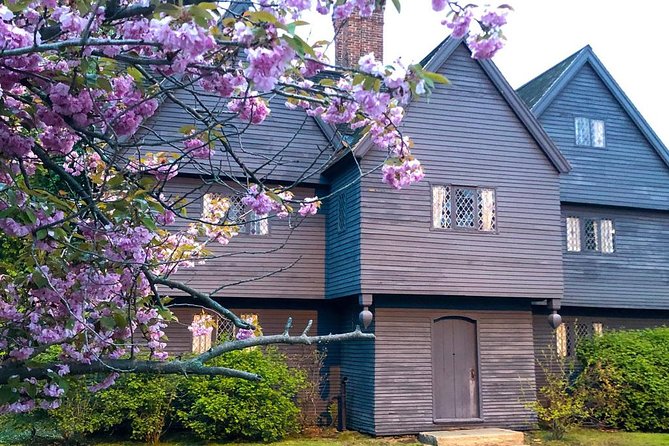
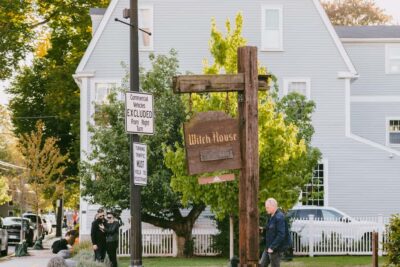
Then comes the big one: the Witch House at Salem. It’s the only remaining Salem structure with direct ties to the 1692 witch trials, and it’s also the reason many visitors keep thinking about this part of Salem after they leave.
The Witch House was the home of Judge Jonathan Corwin, and the guide ties the nickname to his role during the trials. Judge Corwin met with Judge Hathorne at the house to discuss who could be called a witch. The building dates to the 1660s, so even though it is centuries older than the events that made it famous, it still stands as a physical link.
I love stops like this because they solve a big sightseeing problem. Salem’s trial story spreads across sites that are now offices, restaurants, or modern streets. When you find a surviving structure like this, you get a rare sense of what it actually looked like, not just where it used to be.
For photography, it also gives you a clear subject. For understanding, it gives you the nerve center idea: the people deciding your fate were meeting in real rooms, not in legends.
More time up in Salem:


Sewall Street and the Salem YMCA: Betty Parris and the Rumor Engine
A quieter, more complicated part of the story shows up next at the Salem YMCA on Sewall Street. This street name matters here, because it honors judge Stephen Sewall of the witchcraft court. The guide connects those dots so you can see how place names echo power structures long after the events.
This is also where the tour places nine-year-old Betty Parris in July 1692. Betty was the daughter of Rev. Parris, and the guide explains her move to this site and discusses how her situation and the involvement of her cousin helped trigger and intensify the hysteria.
You’ll likely walk away from this stop with a better sense of how accusations escalated. It wasn’t only adults arguing about witchcraft. Children and family networks were part of the spark, and the tour uses the YMCA location to show how quickly personal life turned into public accusation.
This section is especially strong for visitors who want cause-and-effect, not only a list of famous names.
Lyceum Hall and Bridget Bishop: Eight Days from Arrest to Execution
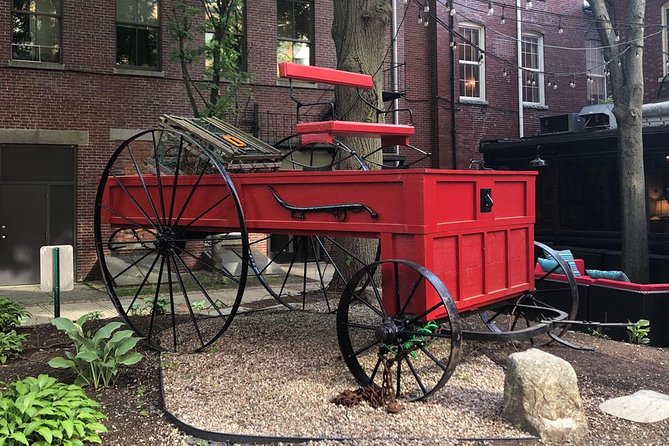
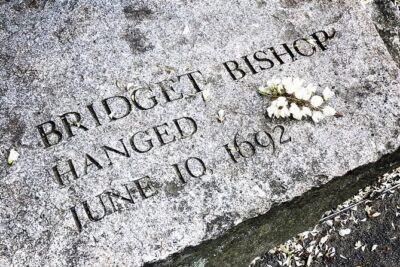
The walk continues toward Turner’s Seafood at Lyceum Hall, built on land once owned by Bridget Bishop and her husband Edward. Bridget Bishop is remembered as the first woman executed in 1692, and this stop frames why her story spread so fast.
The guide shares the timeline: it took eight days for Bishop’s arrest, trial, and execution. That speed is often what visitors remember most, because it underscores how little room the process left for uncertainty, doubt, or verification.
This is a strong stop if you’re trying to understand why the hysteria gained momentum. When the outcome arrives in days, the town learns a brutal lesson: accusations have consequences quickly, and authorities respond even when the facts are shaky.
Witch Dungeon Museum: How Jails Turned Fear Into Profit
After that, you pass through an example of how people were jailed during this era, using the Witch Dungeon Museum as the teaching point. The museum is not presented as directly tied to the 1692 witch trials, but it explains how detention worked in practice, including jail cells described as small, phone booth or closet-like spaces.
The guide also explains that prisoners had to pay for their own jail time. That detail matters. It turns imprisonment into a system that could keep rolling, even when the underlying accusations were weak.
You also get a photo op in pillories, essentially stocks. It’s a bit different from the memorial-and-court rhythm, but it helps make the experience concrete. If you’re bringing teens, this is often the spot that makes them lean in.
Bewitched Statue and the Ironic Afterlife of Salem
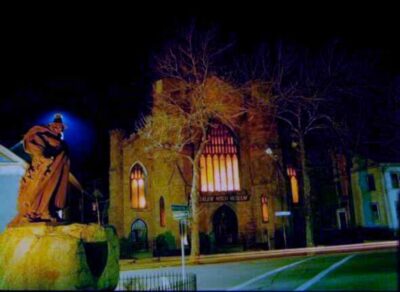
Not every stop is grim, and that’s intentional. You’ll have a chance to snap a picture with the Bewitched Statue of Elizabeth Montgomery. The guide links it to the fact that Salem served as a filming location for the TV show, and you’ll learn whose land the statue sits on.
The irony here is part of the education. Salem is famous for witches in a pop-culture sense now, but the tour keeps reminding you that the real 1692 events were about fear, authority, and accusation. The statue stop acts like a pressure release, while still letting you see how history gets repackaged.
If you’re a fan of classic TV, this is your light moment. If you prefer all-in on 1692, you can treat it as a break that still lands the bigger point.
Washington Street Court Site and 50 St Peter Street Jail Stories
Two of the last sites focus on how the legal system carried the hysteria forward.
First, you stop at the Salem Masonic Building, also referenced as Essex Lodge. The guide explains that the Witchcraft Court, called the court of Oyer and Terminer, was located in the middle of Washington Street in front of the present building. It also notes that additional trials happened there in January 1693. The tour includes the idea that judges overruled outcomes, including a case where a jury declared someone innocent but judges nullified the decision.
Then you reach 50 St Peter Street, tied to the Witchcraft Jail location. The guide describes how the jail is gone now, but explains what happened there. You’ll hear about prisoners connected to the trials, including Giles Corey, the man the guide describes as being crushed during interrogation. The guide also notes that prisoners sometimes died in jail.
These two stops are where the tour’s theme clicks for many people. It isn’t just that accusations happened. It’s that courts and jails turned accusations into a repeatable process.
Price and Pace: Is $30 Worth It?
At $30 per person for about 90 minutes, this tour is a good value if you like structured sightseeing. You’re paying for a local guide, a walk that ties together multiple trial-era locations, and the narrative that explains why those sites matter. It’s not trying to be a museum-ticket buffet.
Also, several stops are free of additional admission, including the Salem Witch Trials Memorial and various outside locations where you can view and learn without paying. Other stops have admission ticket costs not included, like the Witch Dungeon Museum and the food stop at Rockafellas. If you’re trying to keep a tight budget, this matters, because your total trip cost can rise if you decide to enter every paid attraction.
The walking pace is manageable if you’re able to stand and walk. The tour is about a one-mile length with frequent stops for viewing sites and hearing stories. But Salem sidewalks are narrow and uneven, with bricks, cobblestones, and stairs, so it is not a great fit if mobility is limited.
If you want one practical takeaway, it’s this: this tour is best when you treat it like a guided downtown course. You will learn more if you keep your expectations aligned with a walking route where many original structures no longer exist.
Tips for Getting the Most Out of It
If you want this to feel sharp, not sleepy, show up ready to ask questions. The guide is the whole point here, especially because so much of 1692 Salem is location-based rather than building-based. Bring comfortable shoes, dress for weather, and plan for standing time outdoors.
For photography, start thinking early. The Witch House, memorial benches, and the street-based court and jail locations give you the strongest shots. For anything indoor, like the Witch Dungeon Museum, decide on the spot based on your interests and energy.
Finally, if you’re a history traveler who likes specific personalities, this tour is heavy on named figures: George Corwin, Judge Jonathan Corwin, Judge Hathorne, Stephen Sewall, Betty Parris, Bridget Bishop, and Giles Corey. That makes the story easier to hold in your head as you walk.
Should You Book This Salem Witch Trials Walking Tour?
I’d book it if you want a fast, organized way to understand 1692 Salem without doing homework all week. For $30, you get a guided route that links memorials, court and jail sites, and the one surviving structure tied directly to the trials, the Witch House. If you also want a walk that keeps moving but pauses enough to absorb what you’re seeing, this fits well.
I would skip it if you want a lot of hands-on museum time, or if you struggle with standing, stairs, or uneven surfaces. Also, if you’re expecting to see every original building from the trials, you might feel frustrated, because many key structures are long gone and you’ll be learning from locations that mark where events happened.
If you can, ask the office who is guiding your time slot. One guide, Bob, got singled out for vivid 1600s storytelling that helps the people and the system feel real. Even if your guide is different, the format still works best when the guide turns place into story.
FAQ
How long is the Salem Witch Trials Historical Walking Tour?
It runs about 1 hour 30 minutes.
How much does it cost?
The price is $30.00 per person.
Where do I check in before the tour starts?
Check in at the Salem Historical Tours office at 8 Central Street, Salem, MA 01970.
What times do tours depart?
Tours depart at 10 am, 1 pm, and 4 pm.
Is the tour offered in all weather?
Yes, it operates in all weather conditions. Dress appropriately.
Are there public restrooms on the tour?
No, there are no public restrooms.
What admission costs are included versus not included?
The guided tour is included, and some stops are free to visit. Other locations list admission tickets as not included.
Is the tour suitable for children?
Children must be accompanied by an adult.
Can I get a refund if I cancel?
Free cancellation is available up to 24 hours in advance for a full refund. If you cancel less than 24 hours before the start time, the amount paid is not refunded.
Revolutionary Salem on Foot
- Salem Night Tour: Haunt and History Guided Night Tour
★ 4.5 · 673 reviews - Salem: Secrets of Salem Hidden History Walking Tour
★ 4.5 · 198 reviews - Sailing on Historic Schooner Yacht in Salem, MA
★ 5.0 · 172 reviews - Best Historic Overview of Salem Walking Tour
★ 4.5 · 88 reviews
Boston at Walking Pace
- Mysteries and Murders of Salem Guided Night-Time Walking Tour
★ 5.0 · 1,488 reviews - 2.5-Hour Salem History & Sightseeing Guided Walking Tour
★ 5.0 · 850 reviews - Salem, MA: History and Hauntings Guided Walking Tour
★ 4.8 · 651 reviews - Requiem for Salem Walking Ghost Tour
★ 4.5 · 562 reviews
Written up lately around the harbor
- High Witch History Walking Tour of Salem
★ 5.0 · 1 review - Haunted Salem Ghost Tour
★ 2.0 · 1 review - Multilingual Self-Guided Audio Ghost Tour in Salem
★ 5.0 · 1 review - Salem Private Half Day Tour from Boston, groups 5-6
★ 5.0 · 1 review - From Boston: Salem & Hammond Castle Semiprivate Day Trip
★ 5.0 · 1 review - Family Friendly Ghostly Tales of Salem
★ 5.0 · 1 review - Tales of Salem Halloween Guided Walking Tour
★ 4.5 · 2 reviews
Salem Witch Trials Tours, compared.
Wicked Awesome Tours: Witch Trial History and Salem Haunts!
Read our review →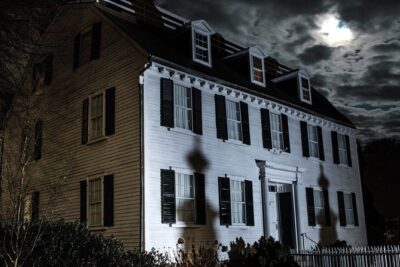

Browse the lists this tour appears in