
Reviewed · THEATER AND LIVE SHOWS
Boston: Boch Center Wang Theater Behind the Scenes Tour
A theatre tour with real stage power. The Boch Center Wang Theatre is historic, dramatic, and packed with music-world details, and this guided behind-the-scenes stop adds the Folk Americana Roots Hall of Fame into the mix. I love the chance to stand where big names performed and to connect theatre design to how shows actually work. I also like the way the Hall of Fame turns the building into a living music museum, with guitars and rotating exhibits. One possible drawback: you’ll be on your feet for most of the 1-hour walk, and some backstage areas can be limited based on what the theatre has going on.
Tours start at the Wang Theatre Box Office on Tremont Street, and the route is built for small discoveries along the way, not a long sit-down history lesson. If you get a guide like Elijah, who earned standout praise for the tour, you’ll likely get extra clarity on what you’re seeing and why it matters.
In This Review
- Key things you will notice on this tour
- Entering the Wang Theatre at 270 Tremont St
- What the guide shows you about the Wang Theatre’s design and story
- Standing on one of the largest stages in the U.S.
- Folk Americana Roots Hall of Fame: where the theatre turns into a music museum
- The 1-hour flow: what happens when, and how to not feel rushed
- Price and value: why $29 can make sense
- Who this tour is best for
- Small things to know before you go
- Should you book this Wang Theatre behind-the-scenes tour?
Key things you will notice on this tour
- You stand on the stage tied to iconic performers, not just in front of it
- Backstage details like layout and theatre mechanics, shown in an easy, guided way
- Architectural moments you might miss if you only walked the lobby
- Folk Americana Roots Hall of Fame as a music-history stop inside the theatre
- Music memorabilia and rotating exhibits, including standout items linked to American pioneers
- Easy-to-follow timing for a full 1-hour experience that stays focused
Entering the Wang Theatre at 270 Tremont St
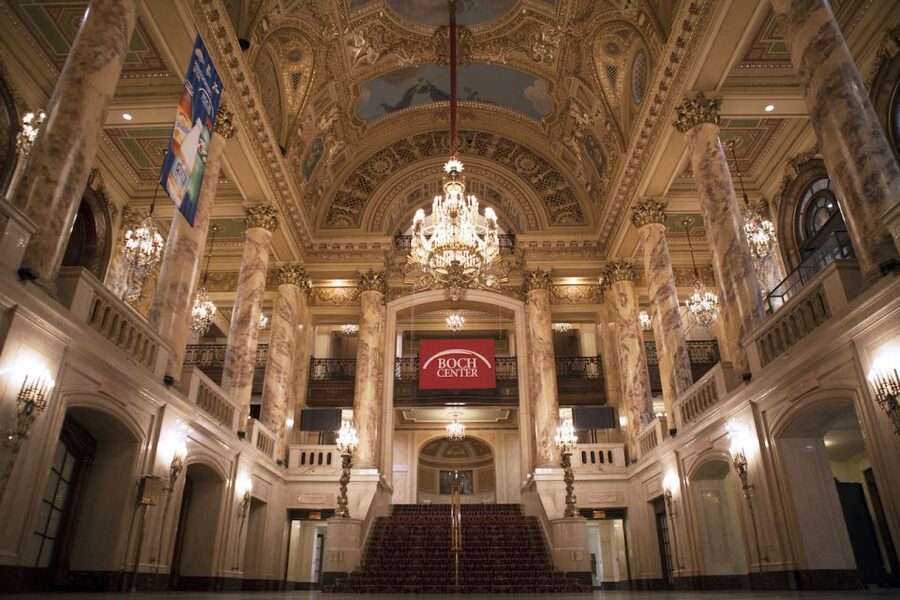
The meeting point is right where you want it, at the Wang Theatre Box Office, 270 Tremont St, Boston. The tour departs from there at set times during the day, and it’s typically offered in the afternoon. That matters because it keeps it simple to pair with nearby Boston sights, whether you’re doing a short arts-and-culture stretch or just want one focused activity that feels different from the usual walking tours.
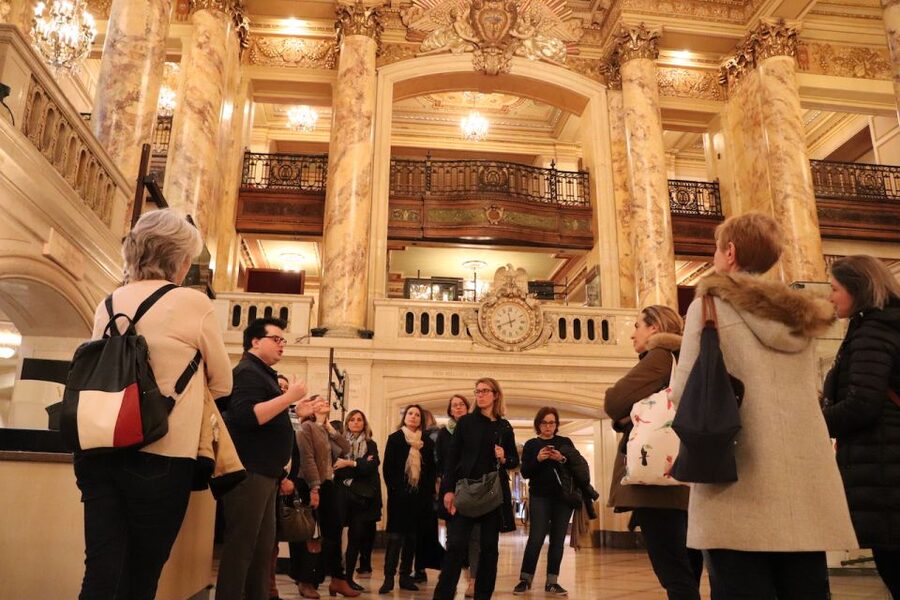
Once you’re checked in, expect a guided walk that mixes theatre spaces with museum-style stops. This is not a museum on your own where you linger at every display. The pace has frequent stops, but the guide is also keeping everyone moving through the most important sections.
If you plan to take photos, have your phone or camera ready early. Some areas are best when you can pause and look up, especially around architectural details. Also, wear comfortable shoes. The 1-hour format is short, but it’s still a walking tour through multiple spots inside a working venue.
Other Boston houses with a curtain going up:
- Boch Center Wang Theatre Tour & Folk Americana Roots Hall of Fame★ 5.0 · 97 reviews
- Blue Man Group Boston Admission at the Charles Playhouse★ 4.5 · 54 reviews
- Private Boch Center Wang Theatre & Folk Americana Roots Hall of Fame Tour★ 5.0 · 15 reviews
What the guide shows you about the Wang Theatre’s design and story
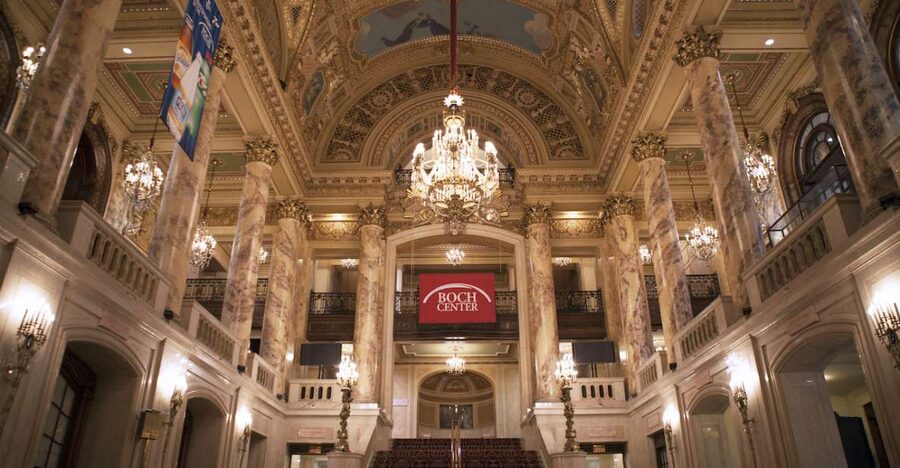
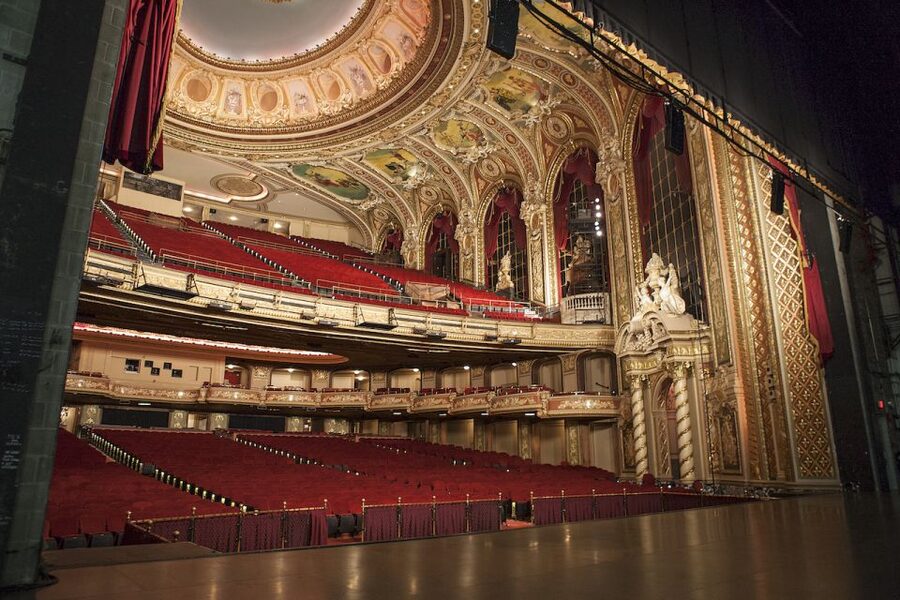
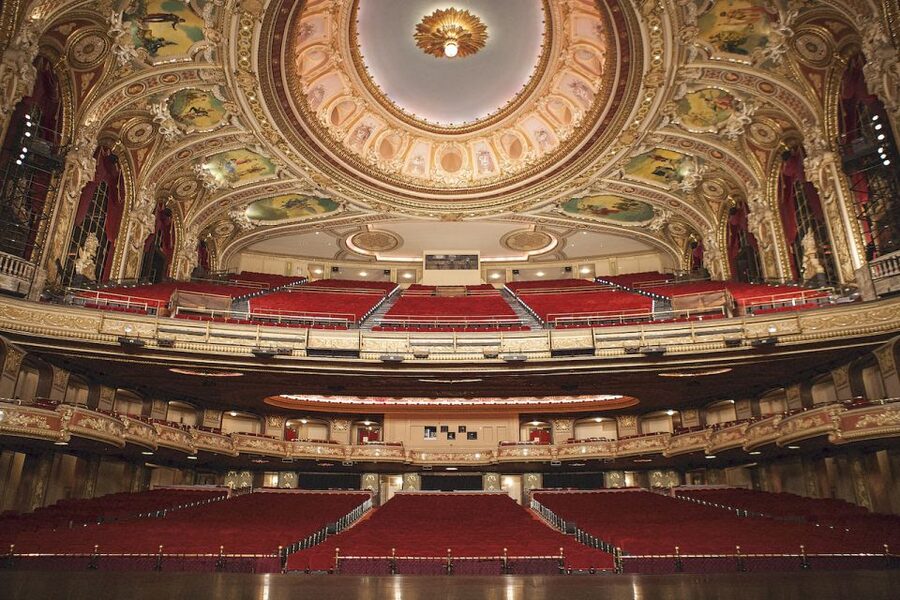
The theatre itself is the star. The Boch Center Wang Theatre opened in 1925 and is listed on the National Register of Historic Places. That designation isn’t just paperwork. It signals that you’re in a building with serious design value and a story you can actually see as you move through it.
On this tour, I like the way the guide connects architecture to performance. You don’t just get dates. You get reasons. You’ll learn about the theatrical landmark’s architectural highlights and how the building evolved into one of Boston’s premiere stages since opening.
A big theme is scale. The theatre has a seating capacity of 3,500, and you’ll hear that number in context, because it helps you understand how the stage and audience spaces were built to support large, high-energy productions. That also sets up the next moment of the tour when you go from “looking at the theatre” to “feeling how it performs.”
If you enjoy theatre as a system, not just a backdrop, this is one of the better ways to see it. You’ll likely get time to look at specific design features along the way, then shift into a practical behind-the-scenes view.
Standing on one of the largest stages in the U.S.
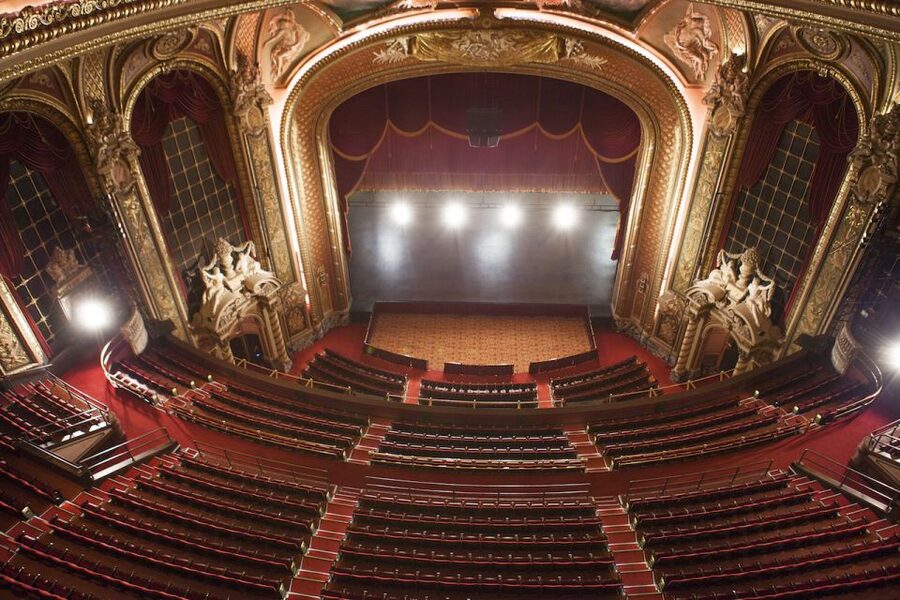
Here’s the moment most people remember: you get onto the stage. Not a quick peek from the wings. You stand there and look outward into the theatre.
The Wang Theatre stage is described as one of the five largest stages in the United States, and that scale changes how you understand everything else. When you’re on the stage, you can better grasp sightlines, sightline angles from the house, and how production teams think about blocking, lighting positions, and movement in space.
The tour also includes a guided look at behind-the-scenes elements. You might notice practical details around how the stage area connects to the rest of the building. One of the most talked-about parts is the backstage vibe, including celebrity graffiti signatures on the backstage walls. It’s a fun, human touch that makes the space feel like it has a memory.
And yes, you’ll hear about performers linked to the stage. The tour highlights the stage as one graced by names like Ella Fitzgerald, Mikhail Baryshnikov, Queen, Elton John, Lady Gaga, and Liza Minnelli. Even if you’re not a superfan, it lands because it’s specific. This is not generic “famous shows have happened here.” It’s pointed.
If you’re the kind of person who likes to ask questions, this is the time. Ask your guide what changes about staging on a big stage like this, and you’ll probably get clearer explanations because you’re standing inside the context.
Folk Americana Roots Hall of Fame: where the theatre turns into a music museum
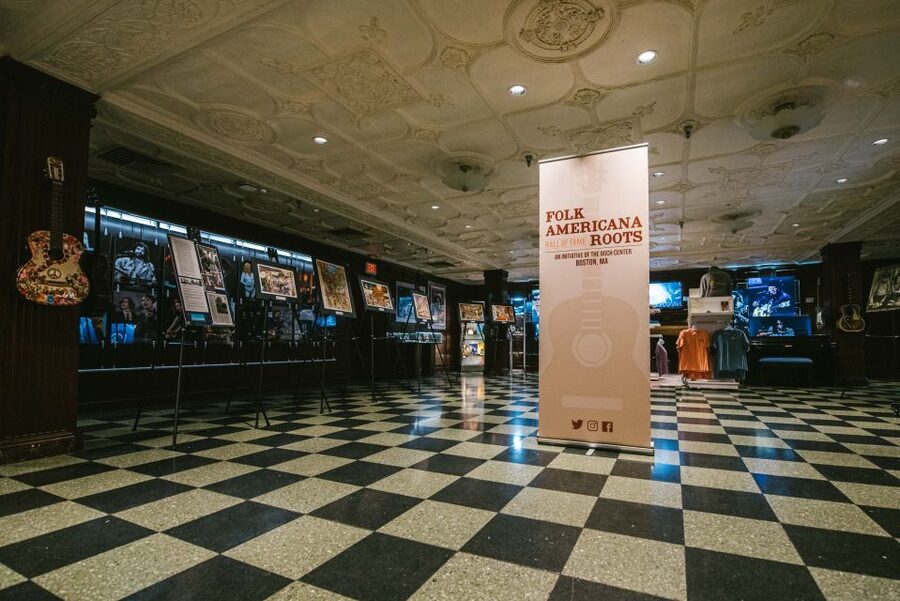
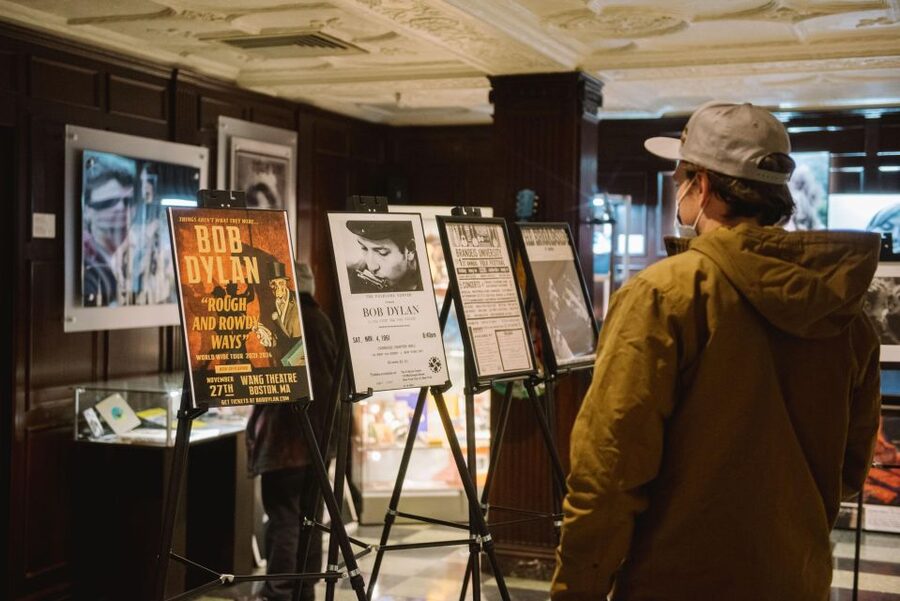
This is the part that makes the tour more than a theatre-only visit. You’ll also have access to the Folk Americana Roots Hall of Fame, described as a living museum within the walls of the Wang Theatre.
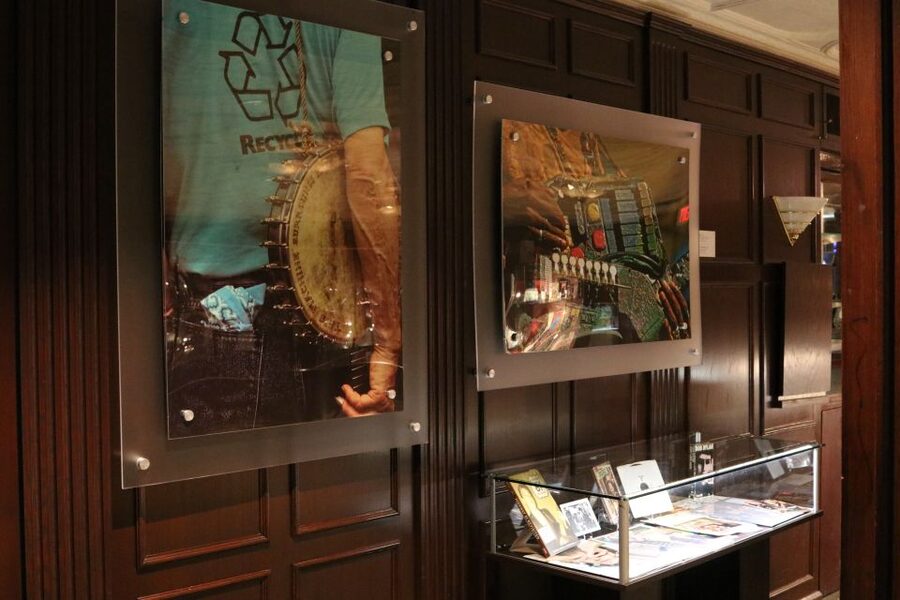
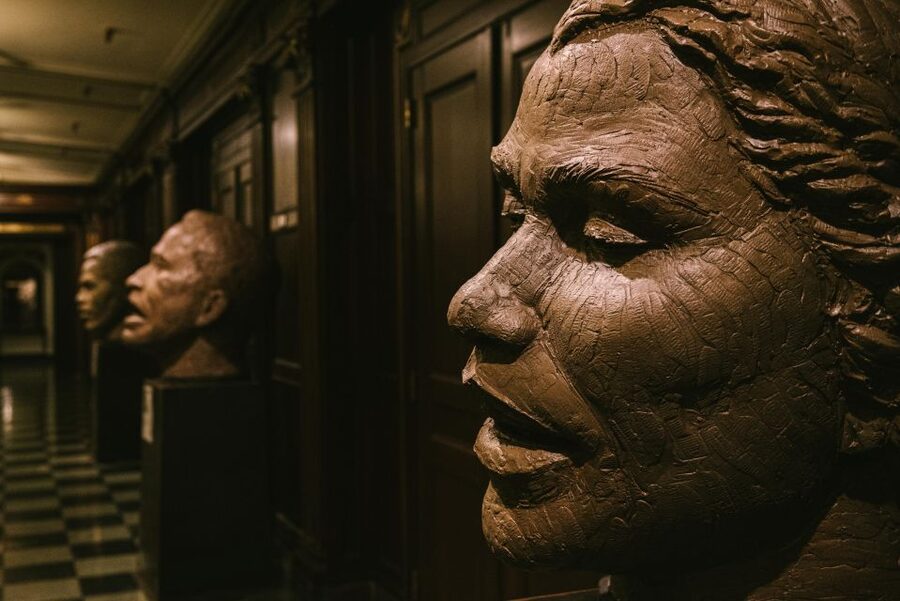
I like it because it broadens the story. Boston has always treated music as more than entertainment, and the Hall of Fame leans hard into that idea. The exhibits you see are music-focused, with items like a unique collection of guitars and sculptures celebrating Civil Rights era musicians. Those choices make the museum feel grounded, not just decorative.
You’ll also see rotating music exhibits. That means your visit can feel slightly different from someone else’s on another day. If you’re a music history fan, that rotation is valuable because it encourages repeat interest, even though the main tour is still only 1 hour.
Some of the specific exhibit mentions that come up include a display featuring Joan Baez and other American music pioneers. That kind of exhibit is especially good for visitors who want more than “famous performers” and instead want to understand who helped shape the scene.
One practical tip: slow down at the Hall of Fame spots. The tour includes museum access, but the overall timing is still tight. If an exhibit catches your eye, give it an extra minute or two so the effort pays off.
The 1-hour flow: what happens when, and how to not feel rushed
The tour is 1 hour, and it’s designed with frequent stops. That sounds contradictory, but it works because the guide is moving you through compact, meaningful locations rather than a long route.
Typically, you can think of the experience in two halves. First, you explore the theatre itself with emphasis on architecture and what makes it historically significant. Second, you shift into the museum portion, the Folk Americana Roots Hall of Fame, where music memorabilia and exhibits take center stage.
Because you’re moving and standing, plan on being on your feet for most of the session. There are stops, but it’s not a sitting tour. If you have mobility concerns, it’s worth knowing that some areas may not be accessible to all guests, even though the overall tour is listed as wheelchair accessible.
The other thing to remember: this is a working theatre. Some areas are subject to availability, and performance scheduling can affect what the guide can access that day. That doesn’t mean you’ll get a poor experience. It means you should expect that the exact route might shift a bit.
So if you’re the type who likes certainty down to the minute, mentally switch to a flexible mode. Focus on the big wins: stage time and the music museum.
Another way the same afternoon could go around Boston:



Price and value: why $29 can make sense
The price is $29 per person for about 1 hour. On paper, it’s short. In practice, it can be good value because you’re getting two different experiences blended into one paid tour.
You’re not just paying for a backstage look. You’re also getting access to the Folk Americana Roots Hall of Fame and guided context that ties the theatre building to the music-story exhibits inside it. The theatre space is also a major Boston landmark with serious historic status, and the stage access is the kind of “you have to be there” feature that self-guided visits usually don’t deliver.
Here’s how I judge value for this type of tour:
- Does it give you something you can’t easily reproduce alone? Yes, stage access and backstage elements.
- Does it add context that improves what you see? Yes, architectural and performance-related explanation.
- Is the time efficient? Yes, it’s built around a 1-hour window.
If you only want a quick photo and a lobby walk, you might feel the cost is unnecessary. If you want a guided look that turns the theatre into a story you can follow, $29 can feel fair fast.
Who this tour is best for
This tour fits best if you like at least one of these things:
- Music history and how it connects to real places
- Theatre design and performance spaces
- A “one-and-done” activity that doesn’t eat half your day
If you’re travelling as a couple or small group with mixed interests, this can be a nice compromise. The theatre side appeals to people who love architecture and live performance. The Hall of Fame side appeals to people who want music memorabilia, exhibits, and cultural context.
It’s also a good pick for visitors who want something more specific than a general downtown walk. You’re going inside a landmark with a guided route that ends with museum time.
Small things to know before you go
A few practical notes can save you stress at the door.
First, parts of the theatre experience depend on availability. All areas are subject to access limits based on scheduling. That can affect backstage sections and how much time you spend in any one room.
Second, the tour involves frequent stops but keeps you mostly on your feet. Plan for standing and walking through indoor spaces for about an hour.
Third, the tour schedule changes can happen if performances are in play. Your best move is to choose a time that matches your day without overpacking your schedule afterward.
Finally, the tour is listed as wheelchair accessible, but some areas may still have access limitations. If that’s a concern, it’s smart to check with the tour staff before you go, so you can set expectations.
Should you book this Wang Theatre behind-the-scenes tour?
Book it if you want a guided, efficient experience that mixes theatre architecture, stage access, and a music museum inside the same stop. The stage time and the Folk Americana Roots Hall of Fame access make this more than a simple “see the building” activity.
Skip it only if you dislike walking, or if you only want a self-paced museum visit with no group pacing. Because the tour is time-boxed and mostly standing, it’s not built for slow wandering.
If you’re in Boston and you care about music, performance spaces, or both, this is one of the more rewarding 1-hour options you can add without turning it into a whole project.
Written up lately around the harbor
- Boston’s Beacon Hill: Private Walking Tour
★ 5.0 · 1 review - Boston’s Chinatown: Small Group Walking Tour
★ 5.0 · 1 review - Self-Guided Scavenger Hunt: Boston Back Bay & Beyond
★ 4.0 · 1 review - Flynn Cruise Port Boston to Boston hotels – Arrival Private Transfer
★ 5.0 · 1 review - Boston to Woods Hole & Martha’s Vineyard Ferry Private Chauffeur Service
★ 4.0 · 1 review - Classic Martha’s Vineyard 1-Day Escape from Boston
★ 5.0 · 1 review - Private Vacation Photoshoot with Photographer in Boston
★ 5.0 · 1 review
Theater and Live Shows, compared.
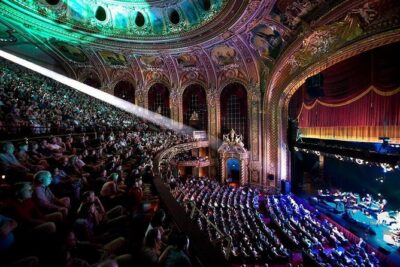
Boch Center Wang Theatre Tour & Folk Americana Roots Hall of Fame
Read our review →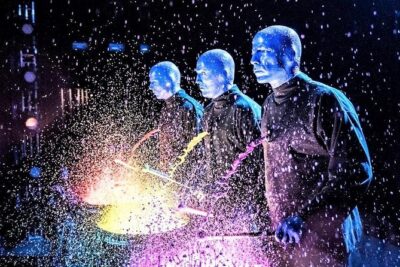
Blue Man Group Boston Admission at the Charles Playhouse
Read our review →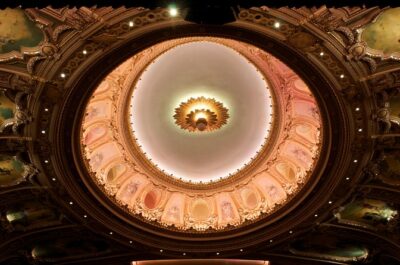
Private Boch Center Wang Theatre & Folk Americana Roots Hall of Fame Tour
Read our review →
Browse the lists this tour appears in