
Reviewed · FREEDOM TRAIL TOURS
Boston: Freedom Trail History Small Group Walking Tour
Boston’s Freedom Trail tells a story you can walk. This small-group tour zeroes in on the Revolutionary years from 1760 to 1775, with a historian guide who helps you connect the dots. You also move through key sites most visitors skim, then you get time to ask questions along the way.
I especially like the small-group size (16 guests max). It makes it easier to keep up with the pace, hear the guide, and ask follow-ups without feeling rushed. I also like the focus on 1760 to 1775, because it turns a list of monuments into a clear chain of cause and effect.
One thing to keep in mind: it is a walking tour with a moderate fitness level, and it is not ideal if you have trouble standing for extended periods. Also, time is limited, so this is about seeing and understanding, not spending long stretches inside museums.
In This Review
- Key things I’d plan around
- Meeting Boston’s Revolution With a 2.5-Hour Small-Group Pace
- Boston Foundation Monument and Boston Common: The Start That Sets the Tone
- A smart way to use the Boston Common stop
- Granary Burying Ground: Revolutionary Boston Lives in the Ground
- Quick consideration
- Benjamin Franklin and the Political Core: Schools, Publishing, and Power
- Best use of this middle stretch
- Boston Massacre Site and the Sons of Liberty Context
- What I like about the way this tour builds emotion
- Faneuil Hall Marketplace and North Square: Cradle of Liberty to the North End’s Heart
- A practical tip for this section
- Paul Revere Statue and Signal Lanterns: Midnight Ride, Explained
- Copp’s Hill Terrace Finish: Views Across the Charles River
- Price and Value: What $35.10 Buys in Real Time
- Who This Tour Fits Best, and Who Might Want Something Different
- Book It or Skip It: My Decision Checklist
- FAQ
- How long is the Boston Freedom Trail History Small Group Walking Tour?
- What does the tour include?
- Where do I meet the guide, and where does the tour end?
- How many people are in the group?
- Is the tour in English?
- Is the tour wheelchair and stroller accessible?
- Does the tour include Charlestown?
- Can I cancel for a full refund, and what happens if the weather is bad?
Key things I’d plan around
- All 16 official Freedom Trail landmarks in about 2.5 hours, so you get the full core route.
- Historian guide with Q&A, helping you ask why events happened, not just what happened.
- Small-group format (16 max), which makes the tour feel personal even on a busy day.
- North End finish at Copp’s Hill Terrace, with big views across the water to major landmarks.
- Winter practicality based on real guide behavior, including using covered or indoor spots to warm up when possible.
Meeting Boston’s Revolution With a 2.5-Hour Small-Group Pace
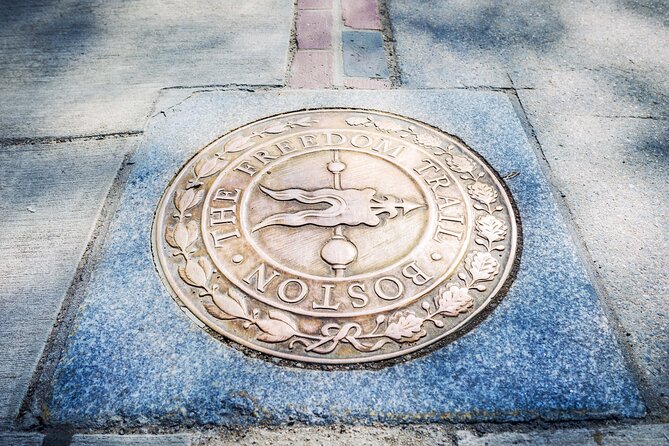
This tour starts at the Boston Foundation Monument inside Boston Common, on the northern boundary of the park near 50 Beacon Street. From there, you work your way through the official Freedom Trail stops and end at Copp’s Hill Terrace in the North End, overlooking the Charles River.
The total time is about 2 hours 30 minutes, and that matters. It is long enough to cover the full “greatest hits” version of the Freedom Trail, but short enough that you are not likely to drift into museum time. You get a historian guide for the whole stretch, with a built-in flow meant to keep the story chronological, not stop-and-start.
The group size is capped at 16 guests, which helps in the real world. In Boston, sidewalks can get crowded, and some stops are tighter than they look on a map. With a smaller group, the guide can slow down when people have questions and can still keep you moving.
Practical note: it is offered in English, and you use a mobile ticket. If you’re traveling solo, it’s a friendly way to see the city without constantly looking down at your phone. If you’re with family, the tour is listed as wheelchair and stroller accessible, and it also welcomes service animals.
More ways along the Freedom Trail:
- Boston Freedom Trail Walking Tour with Costumed Guide★ 4.5 · 2,531 reviews
- Boston Food & History: Pizza, North End & Freedom Trail★ 5.0 · 1,772 reviews
- Boston’s Freedom Trail: A Revolutionary Walking Tour★ 4.9 · 1,748 reviews
Boston Foundation Monument and Boston Common: The Start That Sets the Tone
Your first stop is the Boston Foundation Monument, placed inside Boston Common at the Boston Common area north side, opposite 50 Beacon Street. The granite memorial includes a bronze relief showing two men shaking hands, tied to Puritans arriving in 1630.
This opening matters because it gives you the mindset for the Revolutionary period you’ll be studying next. Instead of jumping straight to soldiers and riots, you start with the cultural and political roots that shaped what people believed, feared, and demanded.
Right after that, you spend time on Boston Common, described as the oldest public land in the Americas and a communal grazing pasture dating to 1634. You are not just looking at grass and paths. You’re seeing where a community gathered, talked, organized, and eventually felt the pressure of changing politics.
In between major stops, the tour also passes an active church and the tallest building in 19th-century Boston (1809). Even if you cannot go inside, these in-between sights help you understand Boston as a living city, not a theme park.
A smart way to use the Boston Common stop
Use the Common portion to ask your first big questions. I find it’s the moment when people are still fresh enough to think beyond dates. Ask about what life felt like in the years leading up to rebellion, and you’ll hear the rest of the route through that lens.
Granary Burying Ground: Revolutionary Boston Lives in the Ground
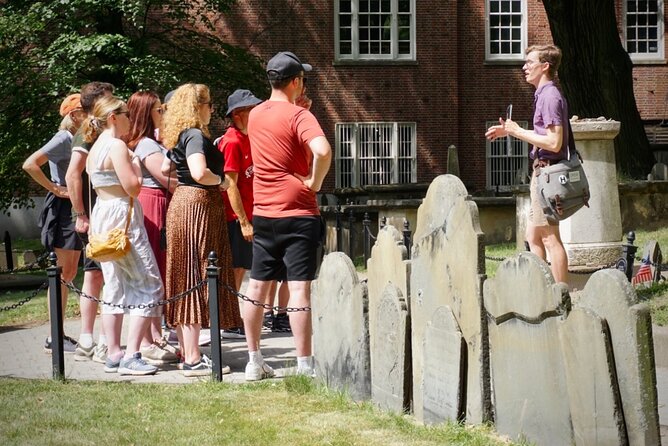
Next comes Granary Burying Ground, Boston’s third-oldest burying ground and the final resting place for Revolutionary-era figures, with key dates noted in the 1600s. Spending time here changes the “Revolution” from a textbook concept into human stakes.
The stop is about 20 minutes, which gives you enough time to look around without feeling like you’re being rushed past names and symbols. You also get nearby references, including an early English church presence (with dates given for Puritan Boston and later 1754) and the oldest burying ground in Boston (1630).
Even if your history interest is mostly about big moments like the Tea Party or Midnight Ride, cemeteries do something different. They remind you that history was made by people who had families, jobs, beliefs, and reputations that outlasted them.
Quick consideration
If you are sensitive to a lot of standing or walking on uneven ground, plan for that here. This stop is worth it, but it can feel more physically demanding than a wide paved plaza.
More of Boston crossed at walking pace:

Benjamin Franklin and the Political Core: Schools, Publishing, and Power
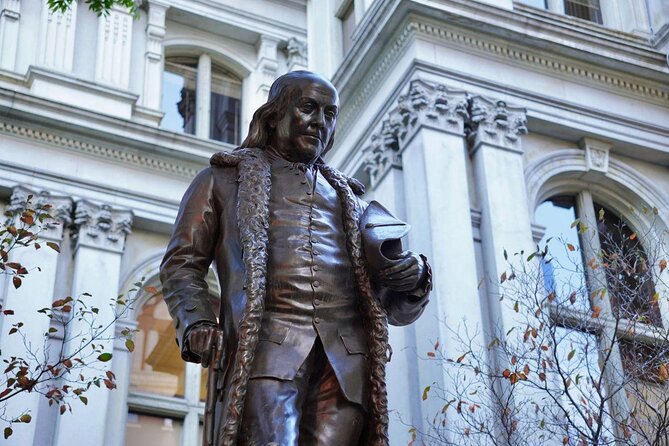
At the Statue of Benjamin Franklin, the story starts snapping into place. Franklin is not just a famous name here. The tour points you toward the Boston Latin School (1635), described as the oldest public school in the Americas.
From there, the guide connects a chain of civic and political anchors around what is historically described as Boston’s center of politics for more than a century. You’ll also pass a publishing-house reference tied to Ticknor and Fields (1718), plus a congregational meeting house and an origin site connection noted for the Boston Tea Party (1773).
You’ll also see references to the colonial capitol of the Massachusetts Bay Colony and an older public building date listed as 1713. The important thing is how the route links institutions, speech, and power. You’re not only learning events. You’re seeing where ideas traveled, where debates got staged, and where decisions were influenced.
This portion also gives you a sense of Boston’s architecture and street-level density. In a short time, you’re basically tracing how government, education, publishing, and public meetings fed into each other.
Best use of this middle stretch
If you like details, this is your moment. Ask about how the tour’s 1760 to 1775 focus connects to what you learned in school. Many guides can tighten the story fast if you point them in the direction of what you care about most.
Boston Massacre Site and the Sons of Liberty Context
Next is the Boston Massacre Site. The route frames this as tragedy when British soldiers killed five Bostonians in 1770, with time allocated for you to linger and understand what made the event explosive.
Around this area, you also get references to prominent leaders linked to Boston’s Sons of Liberty. That connection is useful because it explains why one violent moment could become a spark for wider resistance.
This stop tends to hit emotionally because it is concrete. It helps you understand why anger can turn into organization when people feel their community is under threat.
What I like about the way this tour builds emotion
The tour doesn’t treat the Revolutionary period as a straight line of hero moments. It uses shock and grief to show the human fuel behind collective action. That makes the later “movement” stops like Faneuil Hall and Paul Revere feel more earned.
Faneuil Hall Marketplace and North Square: Cradle of Liberty to the North End’s Heart
You then reach Faneuil Hall Marketplace, described as the place where town meetings happened and today known as The Cradle of Liberty (with 1742 noted). Time here is shorter, about 10 minutes, but it’s packed. Town meetings were not just meetings. They were where ordinary people practiced power.
From there, you head toward North Square Park, called a historic public square in the North End dating to 1634, with about 20 minutes at this part of the route.
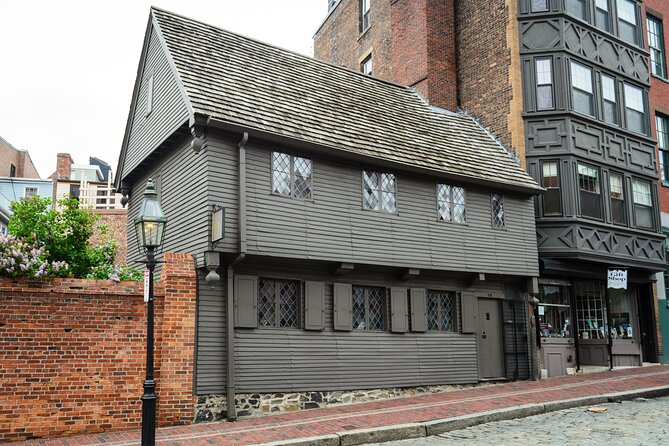
The tour also highlights Paul Revere’s home area and notes it as one of the oldest structures in downtown Boston (a date listed as 1680). That’s a helpful reminder that revolutionary planning did not live only in grand halls. It happened in neighborhoods too.
A practical tip for this section
North End streets can feel tight. Wear shoes you trust and keep moving with your group. If you pause for photos, do it quickly so the guide can keep the narrative chain from breaking.
Paul Revere Statue and Signal Lanterns: Midnight Ride, Explained
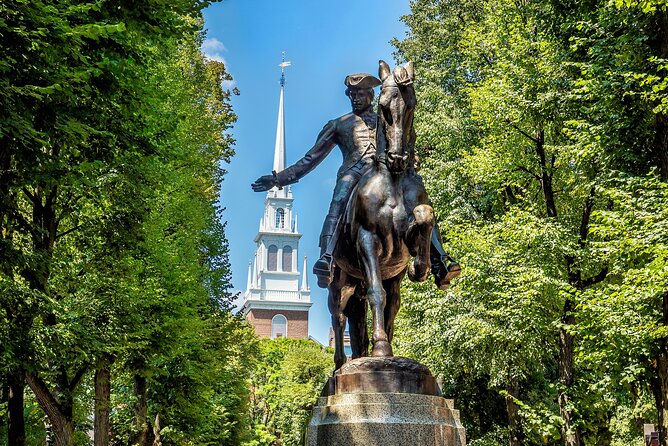
The tour continues to the Paul Revere Statue, a pedestrian-only space honoring the Midnight Ride in 1775. You get time here, about 20 minutes, and it’s one of the best stops if you want the story to feel dramatic without losing the context.
The route also ties this moment to Boston’s oldest church that held signal lanterns during the Midnight Ride, with 1723 noted. It’s a clever way to show that legends ride on systems, communications, and local preparedness, not just one famous rider.
Other nearby references include a second-oldest burying ground in Boston (with 1659 given). Again, it’s one of those moments where the guide pulls history across categories, from events to places to the people who lived there.
Copp’s Hill Terrace Finish: Views Across the Charles River
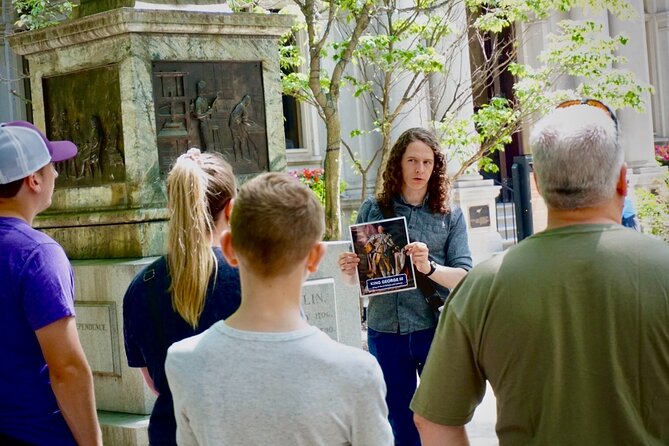
The tour ends at Copp’s Hill Terrace on Commercial Street. You get about 20 minutes here, and the payoff is the view across the Charles River.
The tour frames the perspective in a very Freedom Trail way, with two major landmarks across the water mentioned: the U.S.S. Constitution (1797) and the Bunker Hill Monument (1775 battle). Even if you do not have time to go to either location immediately, this viewpoint helps you understand the physical reach of the Revolution story.
This is also a great spot to reset after the walk. You’re steps from Hanover Street, where you can grab something quick before you keep exploring the North End on your own. If you want a low-effort plan, this is a practical finish because you can eat without sprinting back toward your hotel.
Price and Value: What $35.10 Buys in Real Time
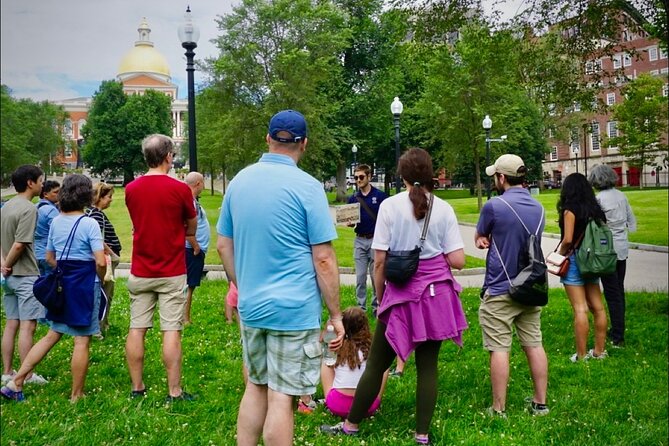
At $35.10 per person, this tour sits in the “good value, limited time” category. Here’s why it feels like a smart buy: you get a historian guide, a small group up to 16, and access to all 16 official Freedom Trail landmarks in about 2.5 hours.
What you do not get is museum entry. Admission inside museums is not included, and the experience also does not include Charlestown. That’s normal for a walking tour that aims to cover a lot of ground.
You also should treat gratuity as optional for your guide, since it is listed as not included. If the guide tells stories well, answers questions patiently, and adapts to weather, tipping is a simple way to say thanks.
One extra value angle: the tour information mentions that Old South Meeting House and Old North Church can have discounted admission with a Hub Town Tour ticket (with instruction to book in advance or show the ticket on site). So if those stops matter to you, you can build the walking tour into a bigger 1-day plan with minimal extra planning.
Who This Tour Fits Best, and Who Might Want Something Different
This is a strong match if you’re a first-time Boston visitor or you already know you want to focus on the American Revolution years. The tour’s central focus on 1760 to 1775 helps you avoid the usual pile of dates with no structure.
I also think it works well for people who like to ask questions. The guide-led Q&A component is a major part of what makes the experience feel more than just sightseeing.
That said, this is not the best fit if you cannot handle standing and walking for extended periods. The tour is listed as not recommended for travelers who have difficulty standing for long stretches. Also, if you want deep time inside multiple buildings, you may need to pair this with museum visits later.
Book It or Skip It: My Decision Checklist
I’d book this Freedom Trail tour if you want the efficient version of Boston’s Revolution story, with a guide who connects the timeline and helps you understand what you’re seeing.
You should seriously consider a different plan if:
- You know you want Charlestown included.
- You plan to spend lots of time indoors at multiple museums.
- Your day depends on avoiding a lot of walking, since the tour is built as a continuous route.
Finally, one reality check. This tour requires good weather, and if it is canceled due to poor weather you should expect a different date or a full refund. So on misty, stormy days, build in flexibility.
FAQ
How long is the Boston Freedom Trail History Small Group Walking Tour?
The tour lasts about 2 hours 30 minutes.
What does the tour include?
It includes the Freedom Trail covering all 16 official historic landmarks, plus downtown Boston and the North End.
Where do I meet the guide, and where does the tour end?
Meet at the Boston Foundation Monument, 49 Beacon St, Boston, MA 02108. The tour ends at Copp’s Hill Terrace, 520 Commercial St, Boston, MA 02109.
How many people are in the group?
The tour has a maximum of 16 travelers.
Is the tour in English?
Yes, the tour is offered in English.
Is the tour wheelchair and stroller accessible?
Yes, it is wheelchair and stroller accessible.
Does the tour include Charlestown?
No, the tour does not include Charlestown neighborhood.
Can I cancel for a full refund, and what happens if the weather is bad?
Cancellation is free if you cancel at least 24 hours in advance for a full refund. If the experience is canceled due to poor weather, you will be offered a different date or a full refund.
Revolutionary Boston on Foot
- Tour of Historic Fenway Park, America’s Most Beloved Ballpark
★ 4.5 · 3,013 reviews - City Cruises Boston Historic Sightseeing Harbor Cruise
★ 4.5 · 1,388 reviews - Boston Pizza Lovers Food and History Walking Food Tour
★ 4.5 · 1,082 reviews - Delicious Donuts of Boston: A Sweet History Walking Tour
★ 5.0 · 1,038 reviews
Written up lately around the harbor
- Boston’s Beacon Hill: Private Walking Tour
★ 5.0 · 1 review - Boston’s Chinatown: Small Group Walking Tour
★ 5.0 · 1 review - Self-Guided Scavenger Hunt: Boston Back Bay & Beyond
★ 4.0 · 1 review - Flynn Cruise Port Boston to Boston hotels – Arrival Private Transfer
★ 5.0 · 1 review - Boston to Woods Hole & Martha’s Vineyard Ferry Private Chauffeur Service
★ 4.0 · 1 review - Classic Martha’s Vineyard 1-Day Escape from Boston
★ 5.0 · 1 review - Private Vacation Photoshoot with Photographer in Boston
★ 5.0 · 1 review
Freedom Trail Tours, compared.
Boston Freedom Trail Walking Tour with Costumed Guide
Read our review →
Boston Food & History: Pizza, North End & Freedom Trail
Read our review →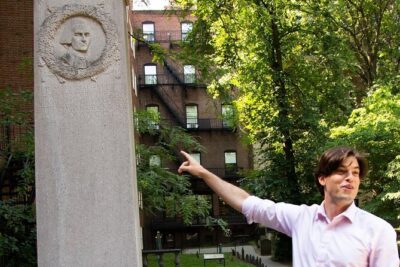
Boston’s Freedom Trail: A Revolutionary Walking Tour
Read our review →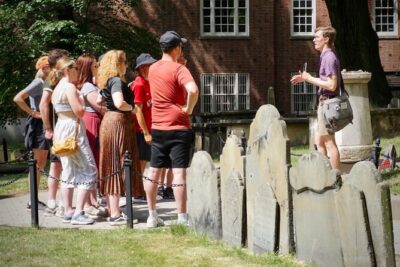
Freedom Trail History Small Group Walking Tour
Read our review →Boston’s Freedom Trail: A Revolutionary Walking Tour
Read our review →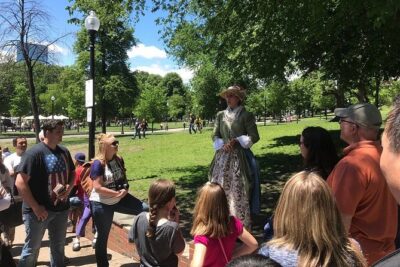

Boston Freedom Trail History Pub Crawl Small-Group Tour
Read our review →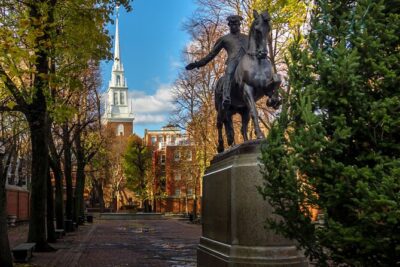
Entire Freedom Trail Walking Tour: Includes Bunker Hill and USS Constitution
Read our review →Browse the lists this tour appears in