
Reviewed · FREEDOM TRAIL TOURS
Entire Freedom Trail Walking Tour: Includes Bunker Hill and USS Constitution
History gets a street-level workout. You’ll follow the Freedom Trail with a local guide, with Bunker Hill and USS Constitution built into the route for a full Revolutionary arc. I like how the stops connect big events to real street locations, but the tradeoff is simple: it’s a solid 4-hour walk that asks for moderate fitness and comfortable shoes.
This tour starts at Beacon St at Park St and ends at the USS Constitution Museum area in Charlestown, finishing by Old Ironsides. It runs in English with a mobile ticket, and it keeps things to a small group, max 16 travelers, which helps you hear the story and ask questions.
In This Review
- Key points before you go
- Boston to Charlestown: what this Freedom Trail route really covers
- Price and what makes the $79 feel fair
- Massachusetts State House to Park Street Church: power, faith, and friction
- Granary Burying Ground and King’s Chapel: the past talks back
- Old City Hall to Old South Meeting House: trials, protests, and the Boston speakers
- Old State House and Faneuil Hall: where conflict became a public show
- Ebenezer Hancock House and the Paul Revere House: logistics of revolution
- Old North Church, Copp’s Hill, and Bunker Hill Monument: Charlestown’s turning point
- USS Constitution at Old Ironsides: your finale with a real ship
- Who this tour suits best, and what to plan around
- Should you book this Entire Freedom Trail Walking Tour?
- FAQ
- Where does the tour start?
- Where does the tour end?
- What time does the tour begin?
- How long is the walk?
- How much walking is involved?
- Is the tour in English?
- What is included in the price?
- What is not included?
- Is the group size limited?
- What if the weather is poor?
- Are service animals allowed?
Key points before you go
- Full Freedom Trail in one shot, plus Bunker Hill and USS Constitution
- Told by a local guide who narrates the cause-and-effect story as you walk
- Small group size helps with pacing and staying together
- Mostly exterior touring, with interiors not included
- Flat-city feel with real distance, about 2.8 miles total
Boston to Charlestown: what this Freedom Trail route really covers
Most Freedom Trail tours focus on the named corridor from downtown up toward Charlestown. This one keeps the same idea, but stretches the experience wider so you finish with two heavyweight landmarks tied to the Revolution: Bunker Hill and the USS Constitution.
The walk is about 2.8 miles (4 km) and runs for roughly 4 hours. That matters because the timing is built around narration, photos, and short stopovers, not racing from one signboard to another. You’ll start on Beacon St at Park St, then work your way through downtown Boston before ending in Charlestown at the Navy Yard.
If you like history told in order, this route is designed for that. You start with seats of government and belief, move into colonial unrest, then hit the famous flashpoints that lead into open conflict. The ending at Old Ironsides is a smart closer because it shifts from slogans and court battles to an actual warship you can stand beside.
More ways along the Freedom Trail:
- Boston: Freedom Trail History Small Group Walking Tour★ 5.0 · 6,450 reviews
- Boston Freedom Trail Walking Tour with Costumed Guide★ 4.5 · 2,531 reviews
- Boston Food & History: Pizza, North End & Freedom Trail★ 5.0 · 1,772 reviews
Price and what makes the $79 feel fair
At $79 per person for about 4 hours, this isn’t a $20 quick stroll. But it also isn’t just a map and a route. You’re paying for a guided, narrated walk that covers the entire Freedom Trail and adds two major extras.
A couple practical reasons the value holds up:
- You get the story, not just the sites. The tour is narrated throughout, so you spend your time learning how events connect rather than trying to interpret everything on your own.
- You get a tight route plan. Bunker Hill and USS Constitution are the kind of add-ons that can turn into extra planning, extra transit, and extra ticket decisions. Here, they are part of one continuous walk.
- Small groups help you feel included. With a maximum of 16 travelers, you’re less likely to lose the guide in the crowd.
One key consideration: admission to interiors is not included. Many stops are exterior views, markers, church exteriors, and cemetery strolls. That still can be very meaningful, but if you want to go inside every building, you’ll need separate plans.
Massachusetts State House to Park Street Church: power, faith, and friction
Your first stretch sets the tone. You begin at the Massachusetts State House, where the tour connects architecture to political power. You’ll see the current State House designed by Charles Bulfinch, and you’ll also understand that Massachusetts government used multiple buildings across time. It’s a useful opener because it frames the Revolution not as a sudden lightning bolt, but as a struggle over authority.
Next is Park Street Church. This stop is more than a landmark photo. It connects the building’s early height and prominence with the Abolition Movement, and it picks up the thread of moral conflict in Boston. You’ll also hear the story behind Brimstone Corner, with fiery sermons and a surprise about what was stored in the cellar.
Why this part works: these two stops give you the Revolution in two directions at once. One is government and formal decision-making. The other is faith-driven pressure in the streets. Either way, you’re watching how people in Boston tried to influence power.
Practical drawback to keep in mind: you’ll only be in the moment briefly at each site. The tour is paced so you can keep moving, which means you should come ready with good walking stamina rather than expecting long museum-style hangs.
Granary Burying Ground and King’s Chapel: the past talks back

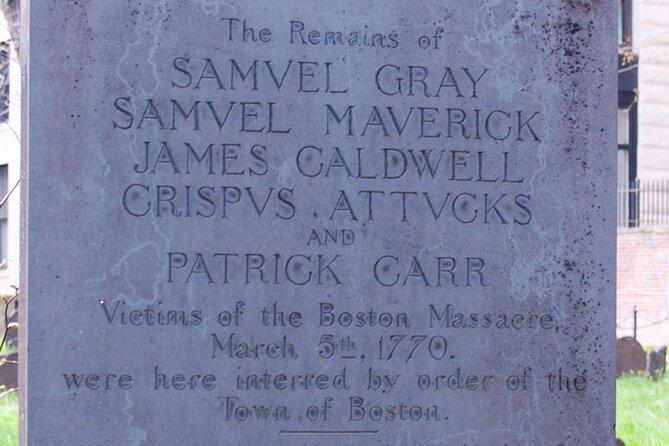
Granary Burying Ground is one of the emotional centers of the Freedom Trail walk. This is where you’ll get a clear introduction to several Revolution-era figures laid to rest here, including Samuel Adams, Paul Revere, John Hancock, and the victims tied to the Boston Massacre. Even if you only stay for a short visit, the cemetery context changes how the names land. It turns history from textbook sentences into people.
Then you move to King’s Chapel, built in 1749. This stop highlights the early conflict between Puritans and the King, including land seizure to place an unwanted church in Boston. That detail is a good reminder: the Revolution wasn’t only about taxes and guns. It also involved identity, control, and the rules of public life.
If you’re traveling with teens, this is a smart section. These stops have enough story tension to hold attention, and the locations are the kind you can still talk about later in the day.
Old City Hall to Old South Meeting House: trials, protests, and the Boston speakers
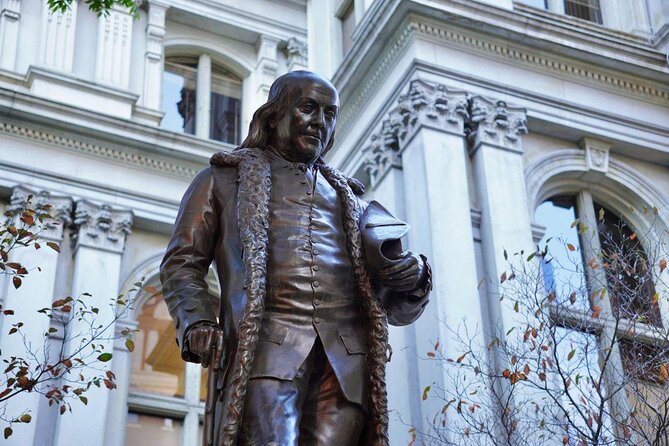
Old City Hall is next, and it’s a chance to zoom in on everyday civic life. You’ll see a Benjamin Franklin statue and a marker commemorating the oldest and still-operating school in the colony. That pairing works because it shows both politics and education as part of the same ecosystem. Boston wasn’t just building ships and throwing tea. It was also arguing about how a society should think.
From there you head to Old South Meeting House. This is where the tour turns from people’s ideas into public action. Meeting halls mattered because people heard preachers and politicians here, and the narration connects this site to Samuel Adams launching the Boston Tea Party. The implication is direct: when a community builds a megaphone and then keeps using it, pressure can turn into action faster than you expect.
One consideration here is time compression. Meeting houses and halls can tempt you to want to linger, but the tour keeps a steady rhythm for the full trail. If you’re the type who wants slow, deep reading, plan to take a photo and mark the spot for later self-guided exploring.
More of Boston crossed at walking pace:

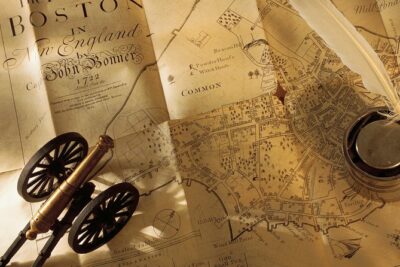
Old State House and Faneuil Hall: where conflict became a public show
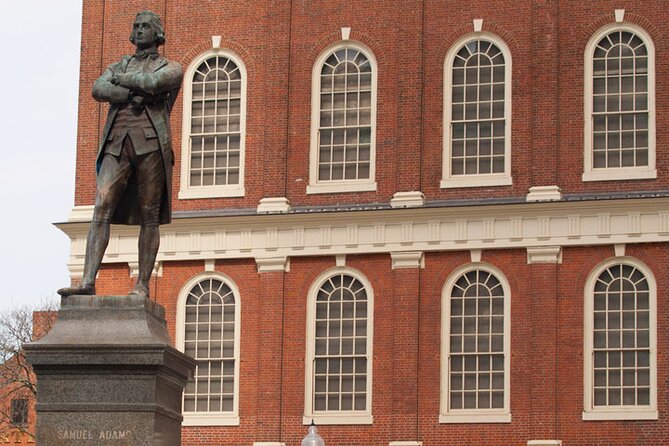
Old State House is one of the stops that makes the Revolution feel immediate. The narration points to the building’s role as the seat of British government leadership, and it brings you to a court battle that demonstrated colonial disregard for British rights in 1761. Then it shifts again to the Boston Massacre site in 1770 and forces the classic question: did it happen exactly as people repeat it later? Even without going into a long forensic debate, the framing makes you think about how events get told.
After that, you arrive at Faneuil Hall Marketplace. This is the “speakers’ Boston” moment. You’ll hear about Samuel Adams and the phrase no taxation without representation, and you’ll also get Frederick Douglass into the conversation as an abolitionist voice. That arc matters because it links the Revolution’s political language to later fights for rights.
This section is also a good mental break. By now you’ve walked enough to understand the pattern, and both Old State House and Faneuil Hall give you big, clear story anchors.
Ebenezer Hancock House and the Paul Revere House: logistics of revolution
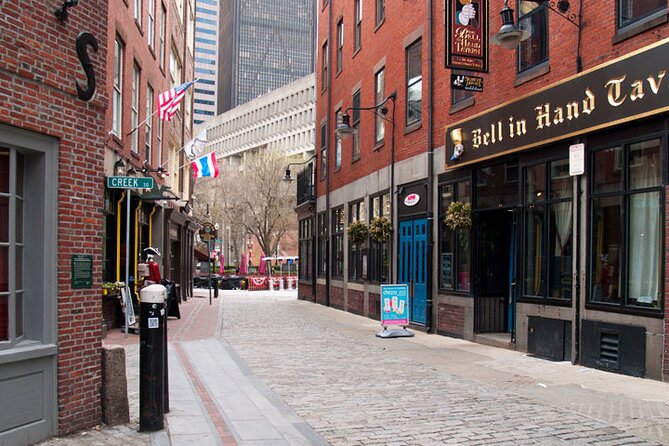
Ebenezer Hancock House adds a practical lens. You’ll notice the connection to the Blackstone Block area, with references to offices like the Massachusetts Spy, along with headquarters of the Revolution (notably described here as a bar). The main Revolutionary point is the store of money sent from the French to support the Revolution, plus the focus on Ebenezer Hancock, brother of John Hancock.
Then you move to the Paul Revere House, one of the oldest homes remaining in Boston. Revere’s home base is part of the story because it turns him from a name on a plaque into a person with a full life. You’ll hear that he purchased the house in 1770 and that he had sixteen children with two wives.
Why I like these stops for planning your day: they help you balance the loud public moments with the behind-the-scenes work. Speeches are powerful, but so is money, information, and the practical reality of who lived where.
Old North Church, Copp’s Hill, and Bunker Hill Monument: Charlestown’s turning point
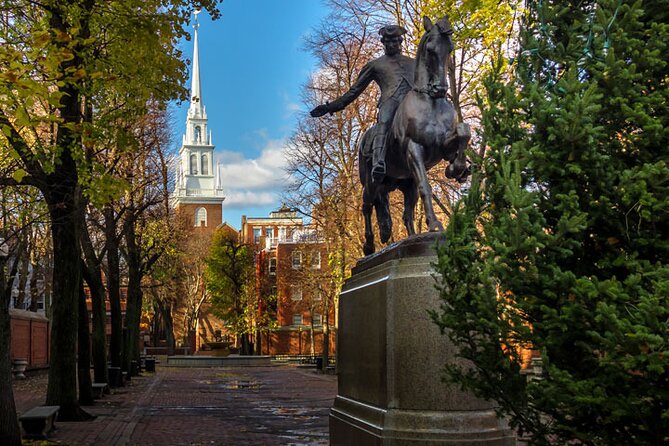
Old North Church and the historic site in this area is central to the Revolution timeline. The narration connects the church to signaling Patriots across narrow waters in Charlestown, warning that British Regulars would march toward Lexington and Concord. Even if you’ve heard the phrase before, being at the actual location makes it feel less like legend and more like a real plan unfolding under pressure.
Next is Copp’s Hill Burying Ground, a shorter stop designed to sharpen your sense of geography. You’ll get a brief look that helps explain how the terrain relates to the Battle of Bunker Hill, plus a stop at a grave marker with an interesting story. This is the kind of detail that often makes the later big monument land better.
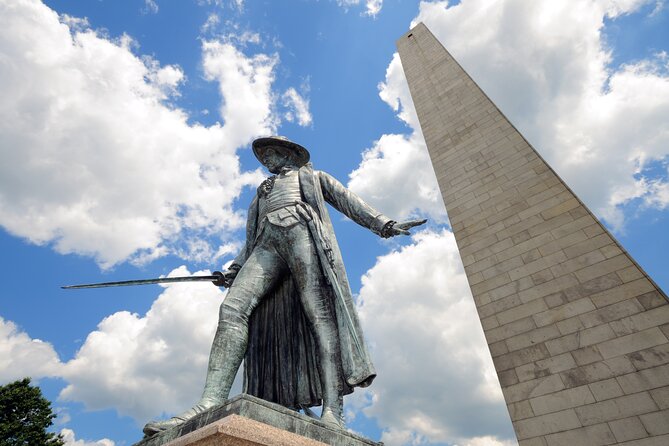
Then you hit the Bunker Hill Monument. The narration here focuses on the battle itself, fought on Breed’s Hill, and it emphasizes the outcome in a clear way: while the British won, British losses were triple those of the Patriots. That detail is important because it complicates simple victory stories, and it shows why Bunker Hill mattered even when the result was not what the Patriots wanted.
If you are worried about stamina, don’t be. This is a walking tour, and you should treat it like one, but you will get your landmarks in order, with short stays that keep you moving.
USS Constitution at Old Ironsides: your finale with a real ship
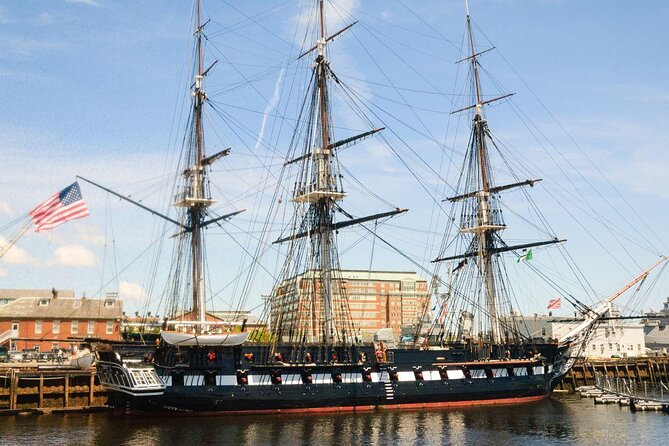
The tour ends with USS Constitution. It’s described as the oldest commissioned warship in the world, and the stop is built around the ship’s nickname Old Ironsides. You’ll hear that it served the US Navy for many years in US and foreign waters, and you’ll finish your walk at the USS Constitution Museum area, concluding by the ship.
This ending works because it shifts the story from people and politics into material history. After the speeches, trials, and battle framing, you get a tangible object tied to how the new nation fought and defended itself.
Keep in mind again: interiors are not included. So your best strategy is to spend your time looking at what you can see from the exterior areas and absorbing the narration while you are there, then decide separately if you want museum-level time afterward.
Who this tour suits best, and what to plan around
This experience is aimed at history buffs, but it’s also listed as a good pick for families with children in their teens. That makes sense because the tour is story-heavy and stays active for hours. It’s not just monuments on autopilot.
It also fits couples who want a structured, guided alternative to trying to stitch together Freedom Trail stops on your own. With a maximum of 16 travelers, you can usually hear the guide without needing to be right against them.
Practical planning tips based on what this format requires:
- Wear comfortable shoes. You’re covering about 2.8 miles in 4 hours, and you’ll be standing and walking repeatedly.
- Expect a moderate physical effort. The tour is not described as high-impact, but it does require decent mobility.
- Go in with a flexible mindset. Each stop is brief by design, so you’ll get highlights rather than long, independent exploration.
If you want a very low-walking day, or if you hate being on the move for 4 hours, you might prefer a shorter, segmented itinerary. But if you want one strong hit that ties downtown Boston to Charlestown and ends at Old Ironsides, this is a good match.
Should you book this Entire Freedom Trail Walking Tour?
I’d book it if you want one guided plan that covers the Freedom Trail end-to-end and still gives you the two big add-ons, Bunker Hill and USS Constitution, without extra routing stress. The $79 price feels reasonable for a narrated 4-hour walk with a small group and a clear storyline.
You should think twice if interiors are a must for you, because admission to interiors is not included. Also, if 4 hours of walking already sounds like a grind, consider a shorter alternative. Otherwise, this is a smart way to see Boston’s Revolutionary sites in the right order and finish with a ship you can actually stand next to.
FAQ
Where does the tour start?
The tour starts at Beacon St at Park St, Boston, MA 02108.
Where does the tour end?
The tour ends at the USS Constitution Museum building in Charlestown Navy Yard, building 22, and it concludes at Old Ironsides.
What time does the tour begin?
The start time listed is 10:00 am.
How long is the walk?
It lasts about 4 hours.
How much walking is involved?
The full Freedom Trail covered on this tour is 2.8 miles (4 km).
Is the tour in English?
Yes, the tour is offered in English.
What is included in the price?
The price includes a four-hour narrated walking tour of the entire Freedom Trail, and a note says the guide does not expect or accept gratuities.
What is not included?
Admission to interiors is not included.
Is the group size limited?
Yes, the maximum group size is 16 travelers.
What if the weather is poor?
The experience requires good weather. If it is canceled due to poor weather, you will be offered a different date or a full refund.
Are service animals allowed?
Yes, service animals are allowed.
Written up lately around the harbor
- Boston’s Beacon Hill: Private Walking Tour
★ 5.0 · 1 review - Boston’s Chinatown: Small Group Walking Tour
★ 5.0 · 1 review - Self-Guided Scavenger Hunt: Boston Back Bay & Beyond
★ 4.0 · 1 review - Flynn Cruise Port Boston to Boston hotels – Arrival Private Transfer
★ 5.0 · 1 review - Boston to Woods Hole & Martha’s Vineyard Ferry Private Chauffeur Service
★ 4.0 · 1 review - Classic Martha’s Vineyard 1-Day Escape from Boston
★ 5.0 · 1 review - Private Vacation Photoshoot with Photographer in Boston
★ 5.0 · 1 review
Freedom Trail Tours, compared.
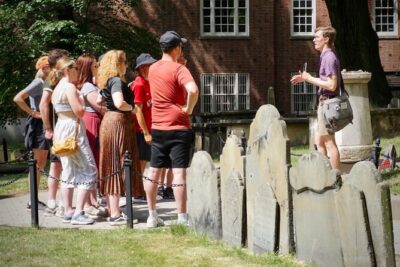
Freedom Trail History Small Group Walking Tour
Read our review →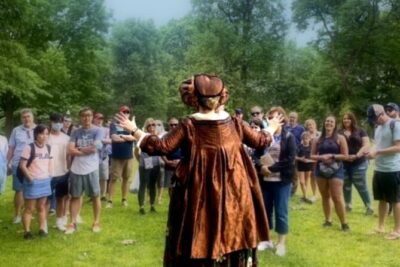
Boston Freedom Trail Walking Tour with Costumed Guide
Read our review →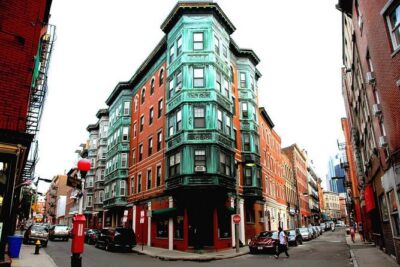
Boston Food & History: Pizza, North End & Freedom Trail
Read our review →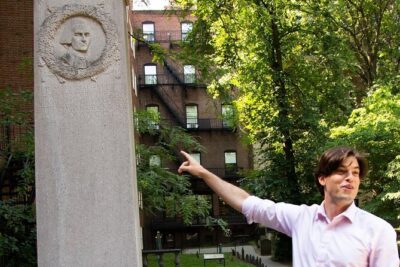
Boston’s Freedom Trail: A Revolutionary Walking Tour
Read our review →Freedom Trail History Small Group Walking Tour
Read our review →Boston’s Freedom Trail: A Revolutionary Walking Tour
Read our review →

Boston Freedom Trail History Pub Crawl Small-Group Tour
Read our review →Browse the lists this tour appears in