
Reviewed · FOOD & DRINK
Boston: Chinatown Food Tasting & Cultural History Tour
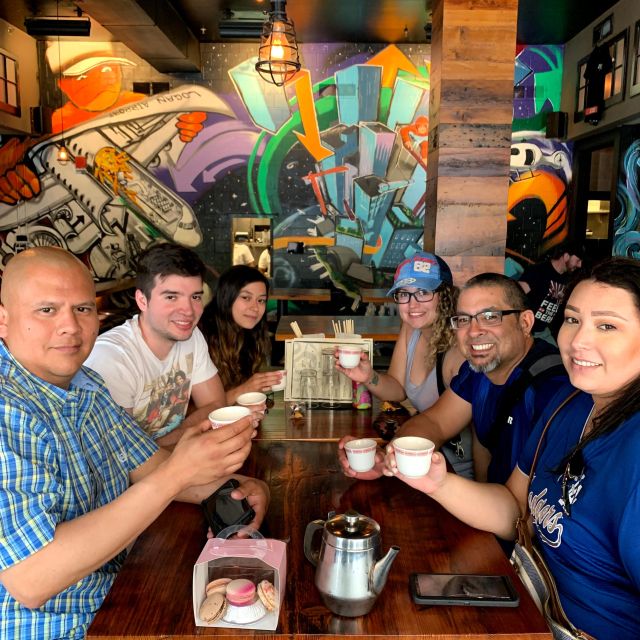
Boston Chinatown changes fast, but the roots are deep. This 3-hour food and culture walking tour connects the neighborhood’s past to what you eat today, with stops tied to the story of Chinese immigration and how Boston put its own stamp on Chinese cuisine. I especially like the six local restaurant and bakery tastings that cover traditional Chinese, modern-day Chinese, and Chinese-American flavors. One drawback to keep in mind: this isn’t set up for dietary restrictions or allergies, and at least one stop involves stairs, since there is no elevator there.
If you want your meal with context, this tour delivers. The guide points out architectural and cultural sites, then ties each bite to the history of the place and its owners. I also enjoyed hearing about the neighborhood through the lens of guides like Andrew and Katie, who were running tours during recent dates and kept the pace friendly and informative. Consider planning around outdoor walking and bringing comfortable shoes, plus rain gear because it runs rain or shine.
In This Review
- Key Highlights You’ll Care About
- Chinatown Gate Start: What Sets the Tone
- The 3-Hour Format Works: Stroll, Stop, Taste, Learn
- What you’ll taste
- The Chinatown Story Stops: First Street and First Restaurant Site
- Oldest Restaurant and Oldest Bakery Sweet: Why It Matters
- One mild drawback to plan for
- Traditional Chinese, Modern Chinese, and Chinese-American Flavors Side-by-Side
- Newer Stops and Second-Generation Owners: The Present Day Angle
- The Cocktail or Mocktail Finale: A Relaxed End
- Price and Value: Is $125 Worth It?
- Logistics That Can Make or Break Your Day
- Who Should Book This Tour (and Who Should Skip It)
- Should You Book This Boston Chinatown Food Tasting and Cultural History Tour?
Key Highlights You’ll Care About
- Six tastings in a 3-hour walk across restaurants and bakeries, with both sweet and savory bites
- Past and present Chinatown story, tied to specific sites like the first street and the first restaurant location
- Oldest institutions included, including the oldest restaurant and a sweet from the oldest bakery
- Traditional, modern Chinese, and Chinese-American flavors shown side-by-side, so you taste the evolution
- One cocktail or mocktail at the end, a relaxed finish after the walking
- Outdoor, on-foot experience with one stop that requires climbing stairs
Chinatown Gate Start: What Sets the Tone
The tour meets right at the Chinatown Gate, which is a great choice because it puts you in the center of the action from minute one. It also makes it easy to orient yourself before you start weaving through the streets.
From there, you’re not just walking to get to food stops. You’re walking to learn how Chinatown formed in Boston and how historic events shaped Chinese-American community life and cuisine. That matters because it changes how you interpret what you see: signage, storefronts, and even the “new” places become part of a timeline, not just random background.
Practical tip: Chinatown is active, and you’ll be on your feet for a significant portion of the experience. Wear comfortable shoes and keep water with you. The tour doesn’t involve a bunch of long transit breaks, so good footwear is the difference between enjoying the walk and counting minutes.
Other walks through revolutionary Boston:
- Boston: Freedom Trail History Small Group Walking Tour★ 5.0 · 6,450 reviews
- Tour of Historic Fenway Park, America’s Most Beloved Ballpark★ 4.5 · 3,013 reviews
- Boston Food & History: Pizza, North End & Freedom Trail★ 5.0 · 1,772 reviews
The 3-Hour Format Works: Stroll, Stop, Taste, Learn
This is a straightforward 3-hour structure, built around a walking pace that still leaves room for real conversation. The guide walks you through Chinatown’s past and present, then brings you to eateries and bakeries for tastings from six local stops.
That mix is what makes the tour good value for the price. You’re not paying for a single meal where you might eat one heavy dish and move on. You’re tasting multiple styles across multiple places, including both traditional Chinese and newer, modern Chinese takes, plus Chinese-American adaptations that grew locally.
And because each tasting is tied to the history of that establishment and its owners, the tour feels like more than “food samples.” You start to connect why certain flavors show up in Boston specifically, and how Chinese cuisine evolved as communities changed and generations of owners shaped what they served.
What you’ll taste
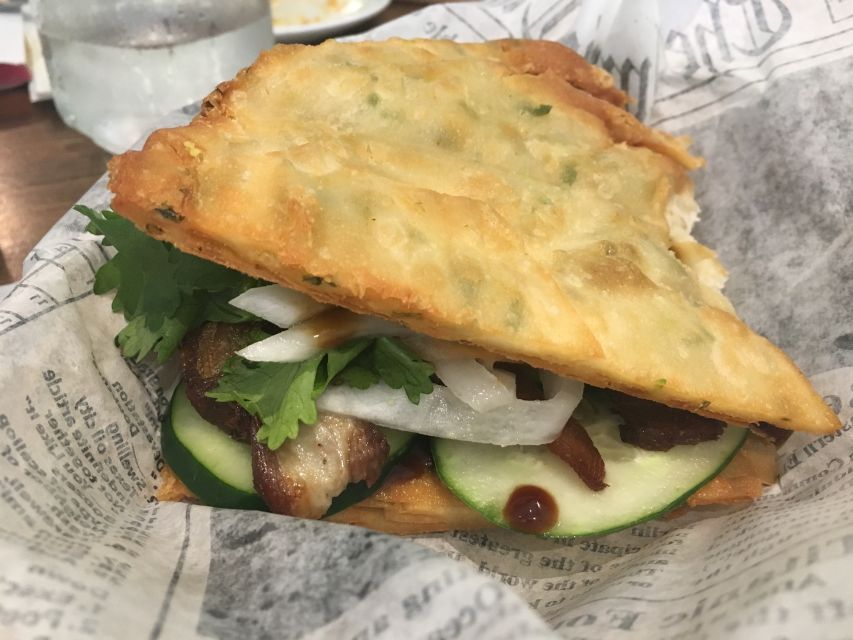
You’ll get sweet and savory examples, and the tour explicitly covers:
- traditional Chinese options
- modern-day Chinese flavors
- Chinese-American cuisine that developed in Boston
One important reality check: there are no alternative tastings provided for dietary restrictions or food allergies. If you need specific substitutions, this tour may not be a fit.
The Chinatown Story Stops: First Street and First Restaurant Site
One of the most interesting parts of the tour is that it doesn’t treat history like a lecture you can tune out. You visit sites of historical and cultural interest, including the first street and the site of the first restaurant in Chinatown.
This is where the neighborhood’s origin story becomes tangible. Instead of just hearing broad background, you’re seeing the starting points, then watching how the neighborhood grew from there. It’s also a reminder that Chinatown did not appear fully formed. It developed through people building businesses, feeding families, and creating cultural landmarks you can still walk past today.
If you like travel that connects daily life to context, you’ll probably enjoy these stops the most. They give meaning to the food later in the route. When you reach older restaurants and bakeries, the background stops feel like you earned them.
Oldest Restaurant and Oldest Bakery Sweet: Why It Matters
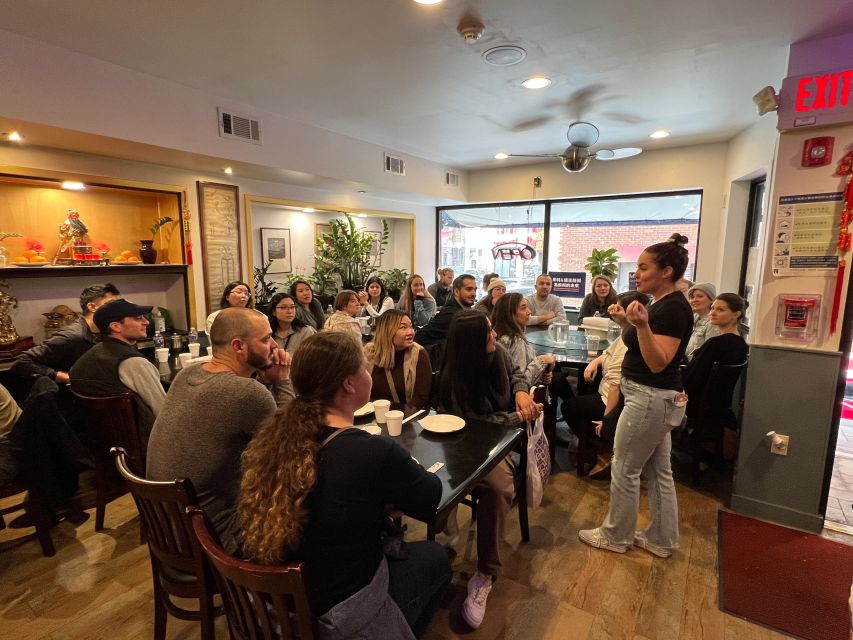
The tour includes two “anchor” moments: the oldest restaurant in Chinatown, and a sweet from the oldest bakery.
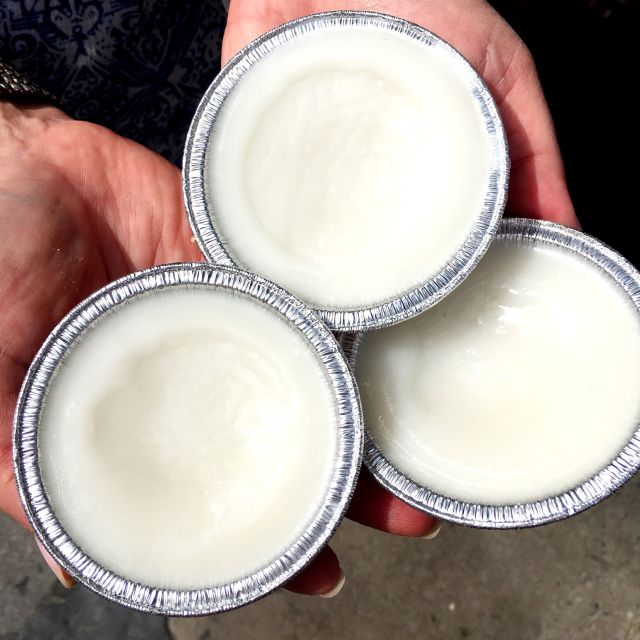
That pairing is smart. The oldest restaurant gives you a sense of continuity, how long-standing businesses carry tradition forward. The oldest bakery, with its sweet tasting, adds another layer, because baked and candy-style foods often reflect community tastes and family routines. Even if the flavors change over time, bakeries tend to preserve older patterns in a way you can taste.
The way the guide explains these places also matters. You’re not just told they are old. You learn about their owners and the evolution of the neighborhood through those businesses. That’s what turns “oldest” into more than a trivia fact.
More Boston counters, taprooms and bakeries:
One mild drawback to plan for
One of the restaurants on the route must be accessed by a flight of stairs, and there is no elevator available at that location. If you have mobility concerns or need to avoid stairs, mention it to the operator ahead of time or reconsider this tour. The food is the focus, but you will still be expected to handle that stop.
Traditional Chinese, Modern Chinese, and Chinese-American Flavors Side-by-Side
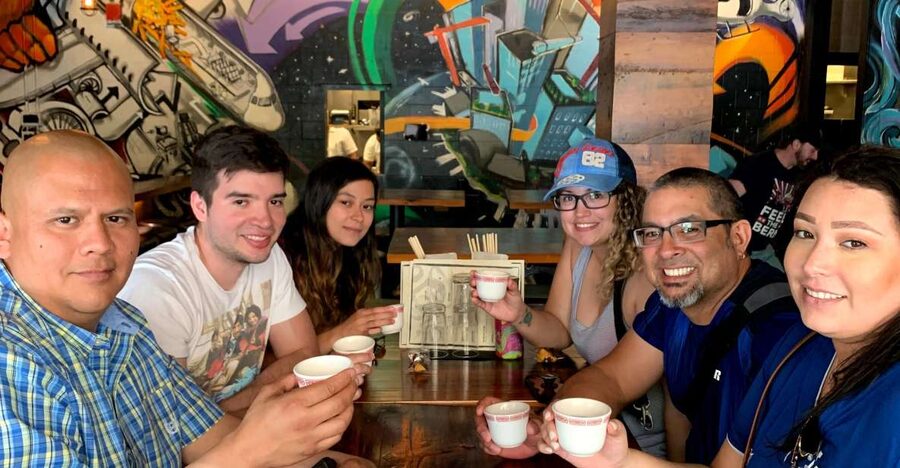
A lot of food tours have you choose between different cuisines. This one intentionally shows evolution. The tastings span three lanes:
1) traditional Chinese
2) modern-day Chinese
3) Chinese-American dishes shaped in Boston
That design makes the tour feel like a timeline you can eat. You start to notice how Chinese ingredients and cooking styles can stay familiar while the dishes adapt to local preferences, available ingredients, and changing restaurant ownership. You’ll also hear how Chinese cuisine evolved in Boston, leading to Boston-specific Chinese-American dishes.
For you, the value is that you leave with a better sense of what “Chinese-American” means beyond a menu label. It’s not a random mash-up. It’s a real culinary story with community roots.
Newer Stops and Second-Generation Owners: The Present Day Angle
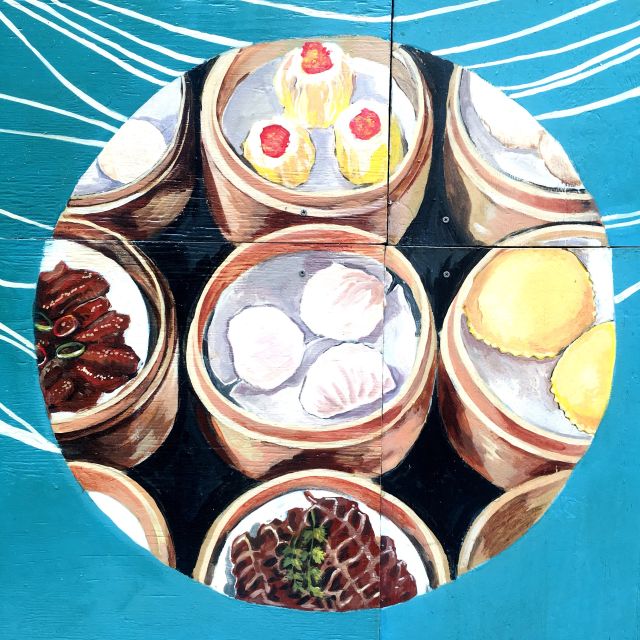
You also visit newer establishments opened by 2nd-generation restaurant owners, which add a fresh and modern twist to the neighborhood.
This is the part of the tour that keeps it from feeling like a history museum. You get the continuity of older places, then you see what’s changing now. Second-generation ownership often means updates in menus, presentation, and sometimes a willingness to blend traditional techniques with modern trends, while still serving local customers.
The guide’s explanations about the establishments and their owners help you understand why the newer places feel different. Without that context, modern restaurants can seem like a separate story. With it, they feel like the next chapter.
The Cocktail or Mocktail Finale: A Relaxed End
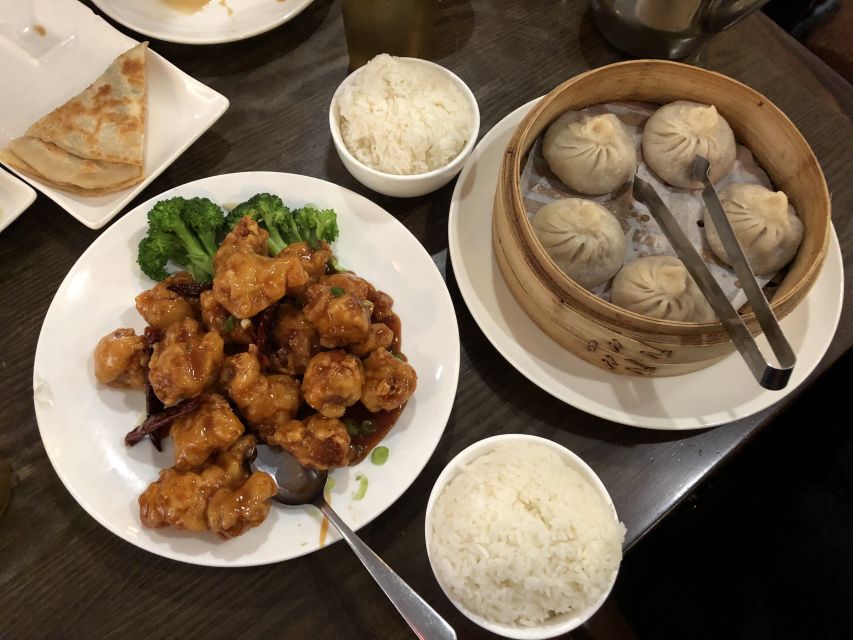
To top it off, the tour ends with a delicious cocktail or mocktail. That final stop is more than a treat. It gives you a moment to sit, reflect, and compare what you just tasted across traditional, modern, and Chinese-American styles.
It’s also a nice wrap-up after walking. If you’re planning your day, I’d treat this as the anchor of your schedule. You’ll likely want a lighter meal afterward, because the tastings are intended to be enough for a satisfying lunch.
Price and Value: Is $125 Worth It?
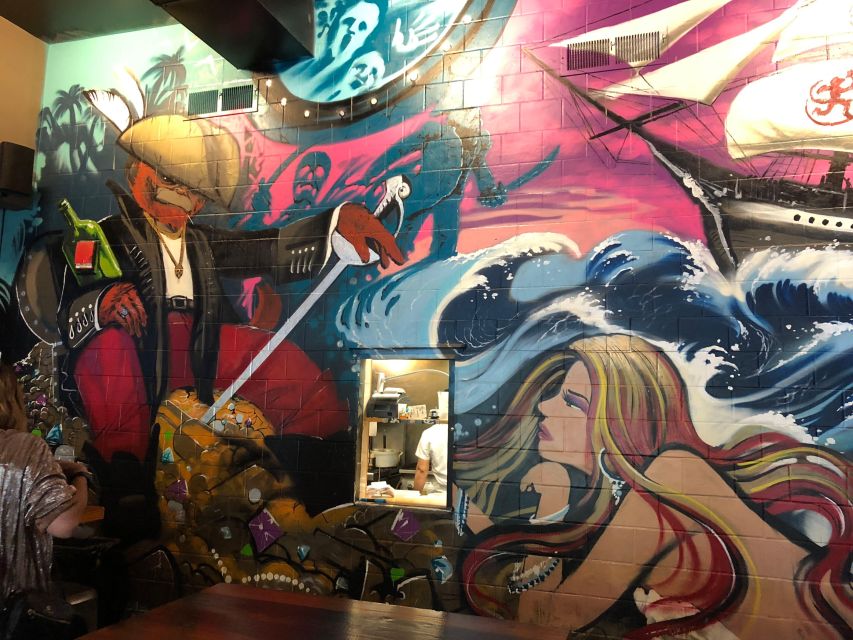
At $125 per person for a 3-hour walking tour, the price can sound steep until you look at what’s included.
You’re paying for:
- a 3-hour guided walking tour
- tastings from six local eateries and bakeries, with both sweet and savory bites
- visits to multiple sites of historical, architectural, and cultural interest
- one cocktail or mocktail
- local taxes and fees
That combination is the key. Many food tours hit you with the cost of extra drinks or leave you with only a couple tastings. Here, the structure is built so that the guide’s historical context and the multiple tastings work together. You’re not just buying food, you’re buying interpretation, and the walking format makes the history visible.
The main caution is that the tour is not set up for dietary restrictions or food allergies with alternative tastings. If you need substitutions, you may feel like you are paying for something you cannot fully eat. In that case, the value drops fast.
Logistics That Can Make or Break Your Day
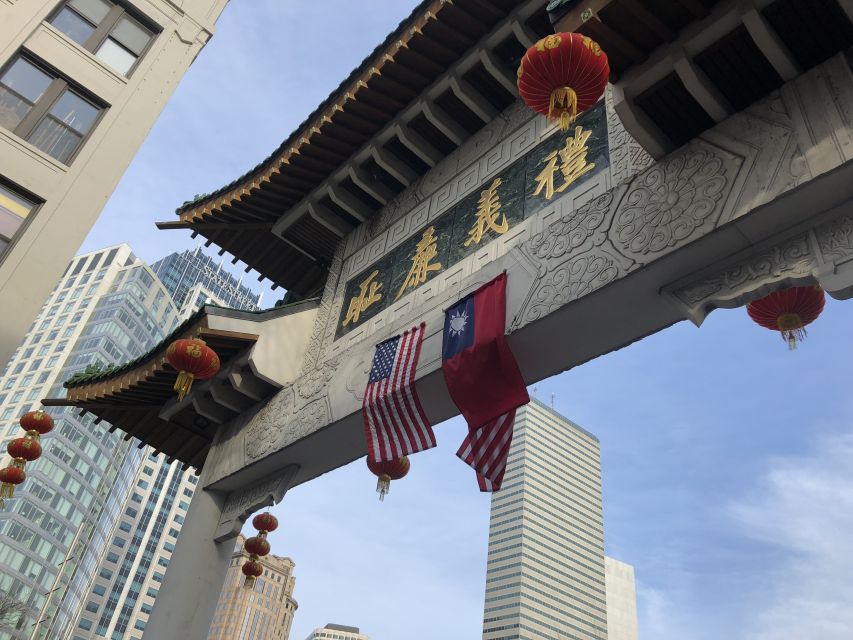
This tour is outdoors and on foot for a significant portion of the experience. It runs rain or shine, so bring an umbrella and a rain jacket if rain is predicted. Comfortable clothing matters here. Chinatown walking in wet weather is no joke.
A few more practical notes:
- Bring a copy of your ID if needed, and the guide accepts an ID card copy
- No smoking during the experience
- No pets, baby strollers, luggage, or large bags
- The tour is in English with a live guide
- It is not recommended for guests under 12
If you’re traveling with kids, plan carefully. This one is aimed at adults and older teens who can handle the walking, the tasting format, and the fact that it’s not designed for dietary substitutions.
Who Should Book This Tour (and Who Should Skip It)
This tour is a great fit if you want:
- food tastings with real neighborhood context
- a walk that mixes street-level sights with stories about how Chinatown and Chinese-American cuisine developed in Boston
- the chance to taste across traditional Chinese, modern Chinese, and Chinese-American dishes in multiple places
It’s less suitable if:
- you are vegetarian (the tour is not suitable for vegetarians, per the tour info)
- you have food allergies or need dietary restrictions handled with alternative tastings (not provided)
- stairs are a problem for you, since one stop requires climbing stairs and there is no elevator there
- you’re traveling with children under 12
If you fall into the “likes lots of walking and can eat everything” category, you’ll probably enjoy the pace and the variety. If you fall outside that category, the tour can feel stressful rather than fun.
Should You Book This Boston Chinatown Food Tasting and Cultural History Tour?
I think this is worth booking if you’re in Boston and you want a single afternoon experience that covers both eating and meaning. The strongest reasons are simple: you get six tastings across restaurants and bakeries, and you get a guided story tied to actual sites, including the first street and the site of the first restaurant in Chinatown, plus the oldest restaurant and oldest bakery.
Book it if you can eat the tastings as they come, you’re comfortable with outdoor walking, and you don’t mind one stop that uses stairs. If you need dietary substitutions or you cannot handle stairs, I’d skip this one or look for a different tour that specifically supports your needs.
If your goal is to leave Chinatown with full stomachs and better context for what you saw and ate, this tour does that well.
New England Plates Worth Ordering
- Boston: North End & Little Italy Food Tour with Local Dishes
★ 4.8 · 229 reviews - Boston Seafood Lovers Food and History Walking Tour
★ 5.0 · 208 reviews - North End to Freedom Trail: Boston’s Food & History
★ 4.8 · 185 reviews - Boston Food of the North End Private Walking Tour
★ 5.0 · 174 reviews
Written up lately around the harbor
- Boston’s Beacon Hill: Private Walking Tour
★ 5.0 · 1 review - Boston’s Chinatown: Small Group Walking Tour
★ 5.0 · 1 review - Self-Guided Scavenger Hunt: Boston Back Bay & Beyond
★ 4.0 · 1 review - Flynn Cruise Port Boston to Boston hotels – Arrival Private Transfer
★ 5.0 · 1 review - Boston to Woods Hole & Martha’s Vineyard Ferry Private Chauffeur Service
★ 4.0 · 1 review - Classic Martha’s Vineyard 1-Day Escape from Boston
★ 5.0 · 1 review - Private Vacation Photoshoot with Photographer in Boston
★ 5.0 · 1 review
Food & Drink, compared.
Boston Food & History: Pizza, North End & Freedom Trail
Read our review →
Boston North End Food Tour of 6+ Tastings, Cannoli, Lobster Roll
Read our review →
Boston’s North End Food Tour: Italian Flavors & Heritage Walk
Read our review →
Boston Pizza Lovers Food and History Walking Food Tour
Read our review →
Boston’s Politically Incorrect North End Food Tour
Read our review →
North End & Little Italy Food Tour with Local Dishes
Read our review →
Boston Seafood Lovers Food and History Walking Tour
Read our review →Browse the lists this tour appears in