
Reviewed · FOOD & DRINK
Boston: Iconic Food Tasting & History Tour – Downtown
Your next Boston meal walks with you. I love how this tour turns downtown streets into a food-and-history trail, and I love the lineup of classic bites like Boston baked beans and brown bread plus a lobster roll. The only drawback to flag is simple: you are walking for about 3 hours, and this is not the best choice if you have food allergies.
I also like that you do not just get a list of dishes. You get the story behind why these foods became local staples, tied to food-related historic sites along the Freedom Trail area. In one standout review, a guide named Maggie gets credit for making the background feel clear and fun, which is exactly what you want when you are eating your way through Boston.
In This Review
- Key things to know before you go
- A downtown food tour built around four Boston classics
- Starting at Beantown Pub and walking the downtown Freedom Trail corridor
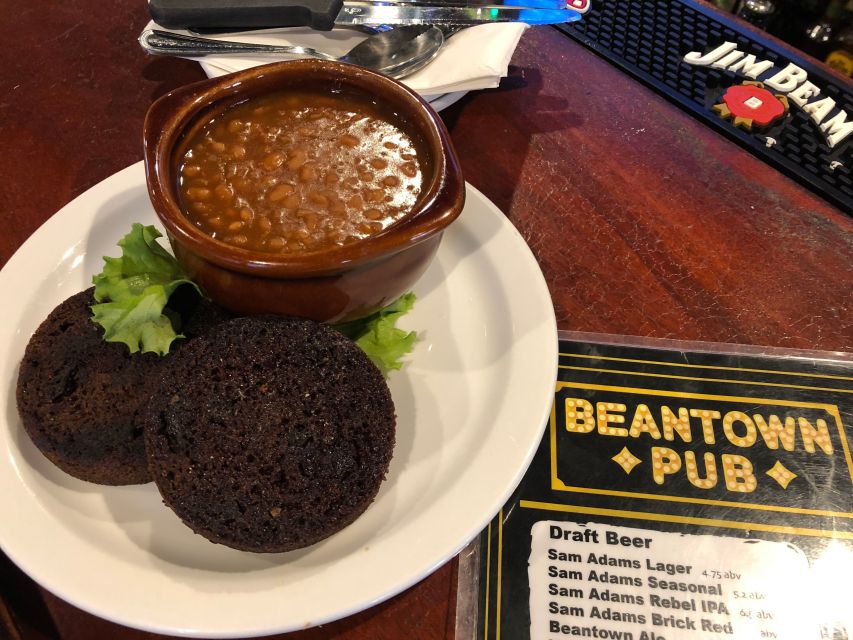
- Stop 1: Boston baked beans and brown bread, comfort with a backstory
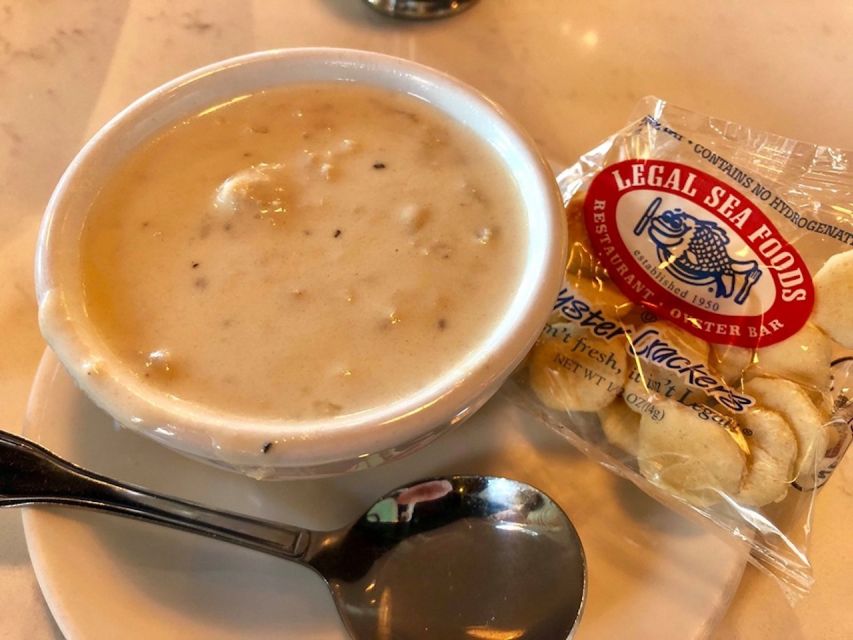
- Stop 2: Clam chowder, a New England standard with city roots
- Stop 3: Lobster roll, fresh seafood in a handheld format
- Stop 4: Boston cream pie, the dessert that anchors the day
- How the history threads through each bite
- Beer tasting upgrade at two historic taverns: a smart pairing for some days
- Price and value: what $125 buys you in real food time
- Who this tour fits best, and who should skip it
- Quick tips so the day feels effortless
- Should you book the Boston Iconic Food Tasting & History Tour?
Key things to know before you go
- Four hearty tastings across four local eateries, built around Boston’s most famous comfort foods
- Freedom Trail flavor in downtown Boston, with food-related stops at historic points along the route
- History tied to each dish, so you understand what you are eating, not just that you should eat it
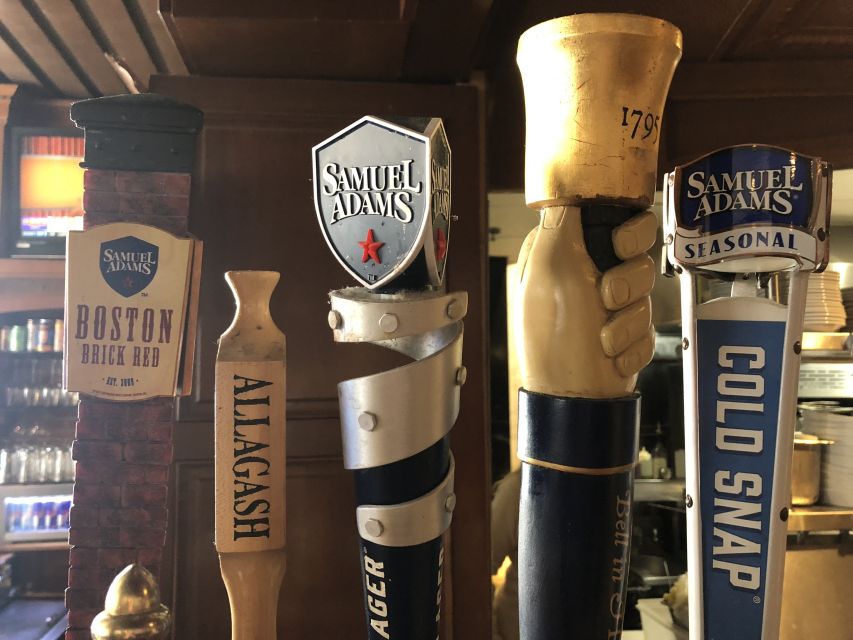
- Optional beer tasting at two historic taverns, for a true Boston pairing night
- Rain or shine walking tour, so wear shoes you trust
A downtown food tour built around four Boston classics
This tour is all about pairing the “Boston identity” you hear about in guidebooks with real food you can hold in your hand. Over 3 hours, you walk through the downtown core and stop at local spots to taste four iconic dishes that people associate with Boston first: baked beans and brown bread, clam chowder, a fresh lobster roll, and Boston cream pie.
What makes this style of tour practical is that it does not ask you to do homework. The guide gives you the context while you are mid-snack, so the history sticks because it is attached to flavor and routine. And because tastings are spread out across the walk, you avoid the classic problem of eating one massive meal too early, then spending the rest of the day wondering how you will survive the day.
If you are a “show me, don’t tell me” traveler, you will like that the tour is built to keep you moving, tasting, and learning in short chunks.
Other walks through revolutionary Boston:
- Boston: Freedom Trail History Small Group Walking Tour★ 5.0 · 6,450 reviews
- Tour of Historic Fenway Park, America’s Most Beloved Ballpark★ 4.5 · 3,013 reviews
- Boston Food & History: Pizza, North End & Freedom Trail★ 5.0 · 1,772 reviews
Starting at Beantown Pub and walking the downtown Freedom Trail corridor
You meet your guide outside Beantown Pub at 100 Tremont St, Boston, MA 02108. That location is convenient because it places you right in the downtown flow, so the tour feels like a real city walk, not a bus ride plus a few photo stops.
You are on your feet for most of the 3 hours, so plan your day like an adult. Eat a normal breakfast or light lunch beforehand, not a huge feast. Bring comfortable clothes and shoes, and assume you will be outside even if the weather changes, since the tour runs rain or shine.
Also pay attention to what you cannot bring. Pets, baby strollers, smoking, and luggage or large bags are not allowed. If you are arriving from the airport with a heavy bag, it is worth figuring out storage before you show up, so you do not end up juggling everything in a crowded downtown area.
Stop 1: Boston baked beans and brown bread, comfort with a backstory
One of the first flavors you will encounter is Boston baked beans with brown bread. This is pure New England comfort food, but the tour’s twist is that you do not treat it like a random dish you tried once. You learn how these foods became linked to Boston life and why they became the kind of classic people talk about for generations.
Here is why this stop matters for value. Beans and bread are filling, so you start building a satisfied base for the rest of the walking route. You also get a “sweet-salty” sense of how Boston’s food identity often balances hearty and homey, not fancy and fragile.
A small consideration: if you do not like beans or you avoid pork-based flavors, this stop could feel like a mismatch. The tour includes specific foods, so it is not a choose-your-own menu.
Stop 2: Clam chowder, a New England standard with city roots
Next up is clam chowder, one of those foods that instantly signals New England when you see it on a menu. But the tour does not frame it as a generic coastal item. You get the story behind why clam chowder became a local favorite, and how Boston’s downtown culture helped keep it relevant over time.
This is one of the stops where the history part is especially useful, because chowder can feel like “just soup” until you understand what made it practical and popular. When the guide ties it to the city’s past and food tradition, it becomes more than a warm bowl. It becomes a snapshot of local tastes and how people ate when they needed something filling.
Potential drawback: if you have shellfish allergies, this tour is not a fit. The tour is listed as not suitable for people with food allergies, and chowder is a common trigger. If you are sensitive, you should steer clear.
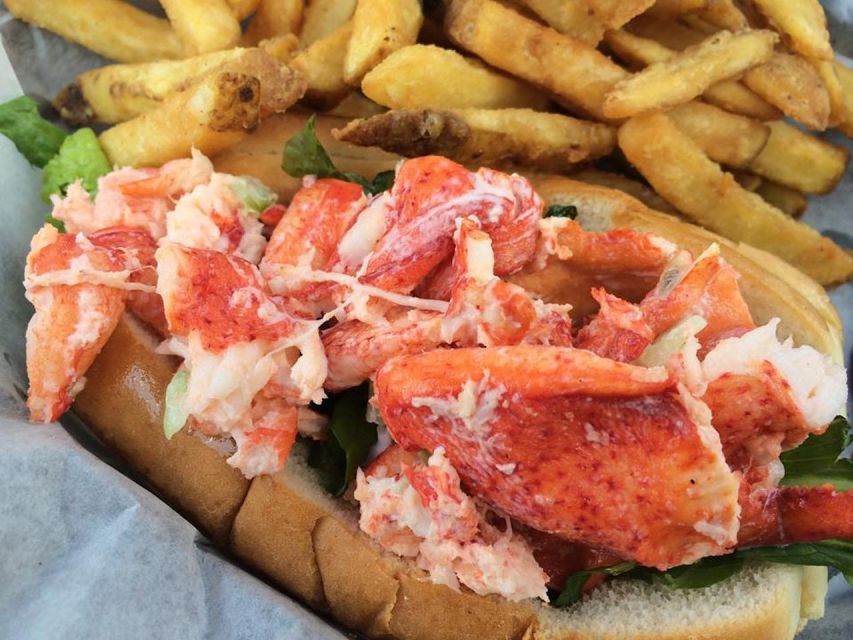
Stop 3: Lobster roll, fresh seafood in a handheld format
Then you get the bright, unmistakable Boston move: a lobster roll. This is the stop that usually pulls people forward during the walk, because it is portable, it smells great, and it tastes like the coast without requiring you to sit down for a formal meal.
The guide’s job here is to explain why the lobster roll belongs in Boston’s food conversation. You learn how the dish became a shorthand for the region, and you get that sense of place that only happens when food and local identity connect.
This stop also helps the tour feel balanced. Earlier bites are more bread-and-beans and soup comfort. The lobster roll adds something different: a fresher, more direct seafood flavor that keeps the whole experience from turning into one long heavy course.
Small watch-out: if you do not eat seafood or you strongly dislike lobster, the tour can feel like it is built for you to enjoy. You might still like the history angle, but the core tastings are centered on classic Boston seafood and dessert.
More Boston counters, taprooms and bakeries:
Stop 4: Boston cream pie, the dessert that anchors the day
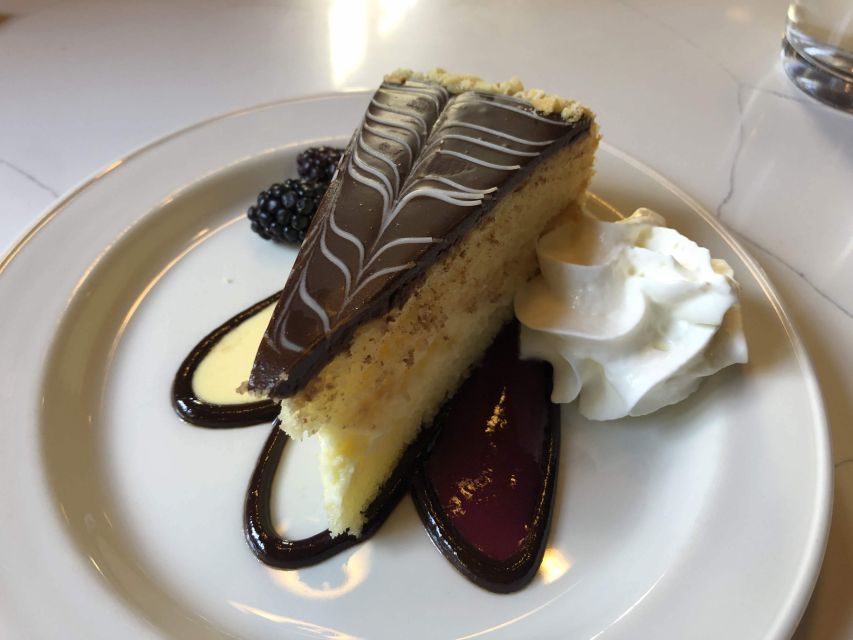
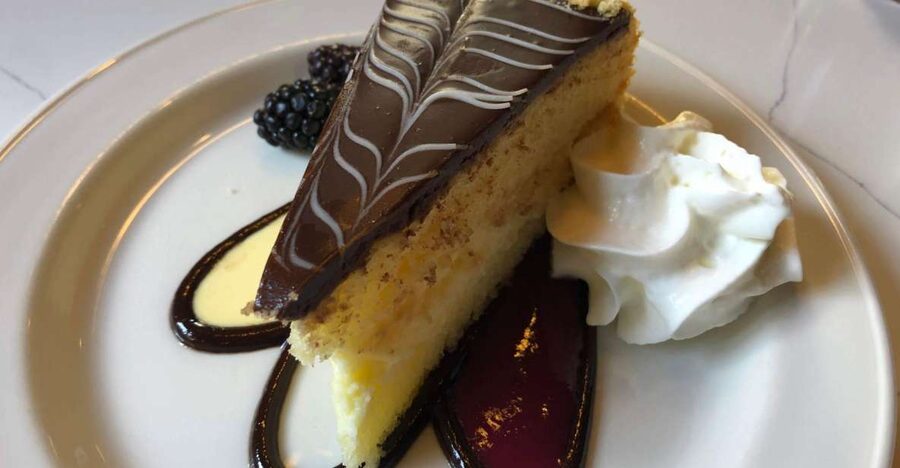
To finish, you get Boston cream pie. Yes, it is called a pie, but it is more like a cake with a custard filling and chocolate topping. That small naming quirk is exactly the kind of thing a good food guide points out, because it helps you understand why Boston cream pie is so “Boston” in both name and style.
By the time dessert arrives, you will feel the tour’s real goal: you end full and happy. This final stop makes sense on a walking tour because it is the payoff. The earlier dishes feed you. The dessert seals the deal.
Consideration for picky eaters: if you dislike custard, or you avoid dairy desserts, you may not love this stop. The tour does include set tastings, so it is best for people who are open to trying the classic version of each dish.
How the history threads through each bite
The biggest reason this tour earns its strong rating is that it treats food like a story, not a souvenir. You walk along the Freedom Trail area and visit sites of historic interest, but the key focus stays on food-related significance. That matters because it changes how you read the neighborhood.
Instead of thinking, Here are monuments, you start thinking, Here is why people ate what they ate, and how those foods became local symbols. The guide connects the dots as you go, so the tastings become “evidence” you can remember.
This is also where the guide quality shows. In feedback you might see a guide named Maggie praised for connecting background to the food choices. That kind of explanation is what makes the tour feel like a good conversation while you eat, not a lecture while you chew.
Beer tasting upgrade at two historic taverns: a smart pairing for some days
If you upgrade, you add two local craft beer tastings at two of Boston’s most historic taverns. The main idea is straightforward: you pair iconic Boston foods with local craft beer, timed into the tour so it feels integrated rather than tacked on.
Is it worth it? If you enjoy beer and you like learning through pairing, it can be a great add-on. Two tasting stops also break up the walking rhythm, which can help you stay comfortable during the 3 hours.
Keep your expectations practical. The standard tour includes tastings at four local eateries, and the beer option adds alcoholic drinks only if you select it. If you do not drink alcohol, you can still have a full, complete tour without the upgrade.
Price and value: what $125 buys you in real food time
At $125 per person for a 3-hour downtown walking tour, the price feels high or reasonable depending on what you compare it to. Here is the fair way to think about it.
You are paying for:
- guided time in downtown Boston
- tastings at 4 local eateries
- multiple stops connected to historic interest
- local taxes and fees included
If you tried to replicate this on your own, you would likely spend money on multiple separate restaurant orders, plus time figuring out where to go and how to connect the dots with history. The tour’s value is that you get both the “eat” and the “why” in a guided route.
The only extra cost to remember is that tour guide gratuity is not included. So if you plan to tip, set aside a little budget.
Who this tour fits best, and who should skip it
This experience is best for adults and older teens who:
- want an easy way to try four Boston icons without planning restaurants
- like history that connects directly to food
- enjoy walking downtown and tasting as you go
It is not a good fit if you:
- are traveling with children under 12
- have food allergies, since the tastings include classic dishes that commonly contain ingredients people need to avoid
- need a stroller-friendly experience, since baby strollers are not allowed
- do not want to walk for about 3 hours, since the route runs rain or shine
If you are traveling with a strict dietary restriction, your safest move is to look closely at the tour suitability statement and choose another option.
Quick tips so the day feels effortless
A little prep makes a big difference on a walking food tour.
- Wear comfortable shoes and clothing you can move in. Downtown sidewalks add up fast.
- Bring passport or ID card, since it is specifically listed as needed.
- Plan your meals around tastings. Do not show up starving, but also do not show up overly full.
- Bring patience for rain. The tour runs rain or shine, so keep a light layer in your day bag.
- If you are carrying a bag, remember luggage or large bags are not allowed, so plan storage ahead of time.
These are small things, but they protect the main goal: you want to enjoy the walk, not fight it.
Should you book the Boston Iconic Food Tasting & History Tour?
I would book this if you want a simple, high-satisfaction Boston introduction that mixes famous foods with real context. The format works because you get four iconic tastings spread across a downtown walk, and the history is tied to what you are eating. That is why people leave feeling full and informed, and why guide names like Maggie show up in positive feedback for explaining the background in a way that feels fun.
I would skip it if you have food allergies, you cannot handle about 3 hours of walking, or seafood and dairy dessert are off-limits for you. The tour is set around specific Boston classics, so it is not the kind of experience where you will easily swap items.
If your priority is a guided route that helps you taste Boston efficiently and understand why these dishes became part of the city’s identity, this is an excellent pick.
New England Plates Worth Ordering
- Boston: North End & Little Italy Food Tour with Local Dishes
★ 4.8 · 229 reviews - Boston Seafood Lovers Food and History Walking Tour
★ 5.0 · 208 reviews - North End to Freedom Trail: Boston’s Food & History
★ 4.8 · 185 reviews - Boston Food of the North End Private Walking Tour
★ 5.0 · 174 reviews
Written up lately around the harbor
- Boston’s Beacon Hill: Private Walking Tour
★ 5.0 · 1 review - Boston’s Chinatown: Small Group Walking Tour
★ 5.0 · 1 review - Self-Guided Scavenger Hunt: Boston Back Bay & Beyond
★ 4.0 · 1 review - Flynn Cruise Port Boston to Boston hotels – Arrival Private Transfer
★ 5.0 · 1 review - Classic Martha’s Vineyard 1-Day Escape from Boston
★ 5.0 · 1 review - Boston to Woods Hole & Martha’s Vineyard Ferry Private Chauffeur Service
★ 4.0 · 1 review - Private Vacation Photoshoot with Photographer in Boston
★ 5.0 · 1 review
Food & Drink, compared.
Boston Food & History: Pizza, North End & Freedom Trail
Read our review →
Boston North End Food Tour of 6+ Tastings, Cannoli, Lobster Roll
Read our review →
Boston’s North End Food Tour: Italian Flavors & Heritage Walk
Read our review →
Boston Pizza Lovers Food and History Walking Food Tour
Read our review →
Boston’s Politically Incorrect North End Food Tour
Read our review →
North End & Little Italy Food Tour with Local Dishes
Read our review →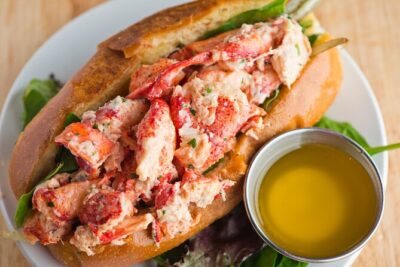
Boston Seafood Lovers Food and History Walking Tour
Read our review →Browse the lists this tour appears in