
Reviewed · BOSTON
Boston: Mapparium® globe + How Do You See the World?™
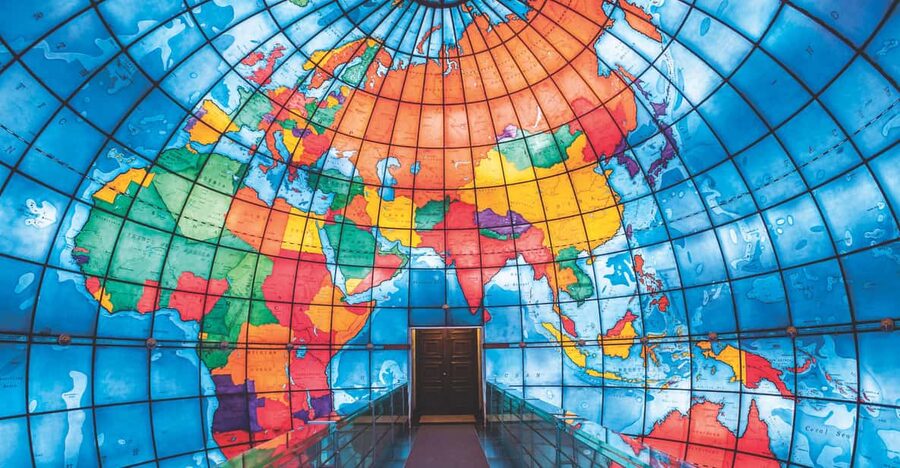
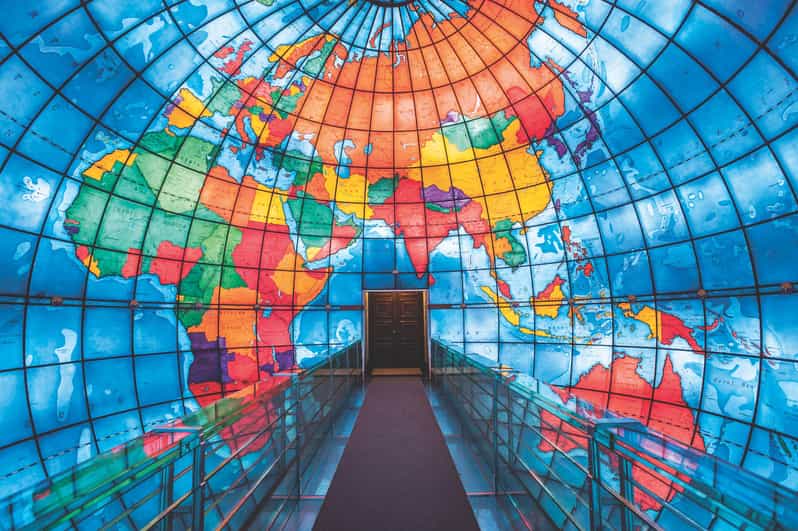
A world made of glass makes you rethink maps. The Mapparium® globe freezes Boston’s view of 1935 reality, then turns it into a walk-in, three-story experience you can actually feel.
What I like most is the scale of the stained-glass globe and the way the narration and exhibits connect the past to real themes like science and human rights. At this stop, you also get solid context on Mary Baker Eddy and The Christian Science Monitor’s mission.
One thing to plan around: the globe itself is timed, so you will want to arrive a little early, and you cannot bring food or drinks inside.
In This Review
- Key things to know before you go
- Walking into the Mapparium globe fixed in 1935
- Our World: Mapping Progress and Points of Progress after the globe
- The Christian Science and Mary Baker Eddy exhibits in plain context
- The Monitor’s role: eight interactive story sets and multimedia impact
- Where to start: finding the How Do You See the World banners and timing your entry
- The $6 ticket: what you get for the money in Boston terms
- Who will enjoy this most, and who might not
- Should you book the Mapparium + How Do You See the World experience?
- FAQ
- Do I need a timed ticket for the Mapparium globe?
- How long does the experience take?
- What else is included besides the globe?
- Where do I meet for the tour?
- Can I bring food or drinks?
- Is there free cancellation and a reserve-pay-later option?
Key things to know before you go
- Timed entry for the Mapparium globe, while the surrounding exhibits are free and not tied to a time slot
- Three-story stained-glass world fixed in 1935, with a narration that happens from inside the globe
- Progress-focused exhibits since 1935, including Our World: Mapping Progress and Points of Progress
- The Monitor connection, including Christian Science and Mary Baker Eddy content tied to the paper’s legacy
- Interactive multimedia storytelling built around human rights, breakthroughs, exploration, and individual impact
Walking into the Mapparium globe fixed in 1935
The Mapparium globe is the headline act in Boston, and it’s not a small, polite museum object. This is a three-story, stained-glass globe that you walk into, so your position in space changes how the world feels. The glass is dramatic, and the effect is immediate: instead of looking at a map, you’re standing inside a version of the planet that someone once believed in.
The big idea here is the year 1935. The globe is frozen in that time, which makes it more than a scenic attraction. It becomes a history prompt. You start noticing what a 1930s worldview emphasized, what it prioritized, and how it imagined global connections before World War II changed everything. If you like geography, cartography, or just how societies see themselves, you will probably find it a lot more interesting than a typical photo stop.
You also get a narration from within the globe itself. That matters because the story is spatial. You are not reading a label from the outside. You are hearing the world explained while you’re literally inside it. This is also why the timed format works, even though it feels fast on paper. The globe is designed as a short, concentrated experience, not an hour-long wander.
Lining up your days? These cover nearby ground in Boston:
- Boston Duck Boat Sightseeing City Tour with Cruise Along Charles River★ 4.5 · 9,378 reviews
- Boston: Freedom Trail History Small Group Walking Tour★ 5.0 · 6,450 reviews
- Boston Hop-On Hop-Off Trolley Tour with 13 Stops★ 4.5 · 5,576 reviews
Our World: Mapping Progress and Points of Progress after the globe
Once you come out of the glass world, the rest of the experience shifts gears in a useful way. Instead of staying stuck in 1935, you get a broader exhibit that asks what happened next and why it matters.
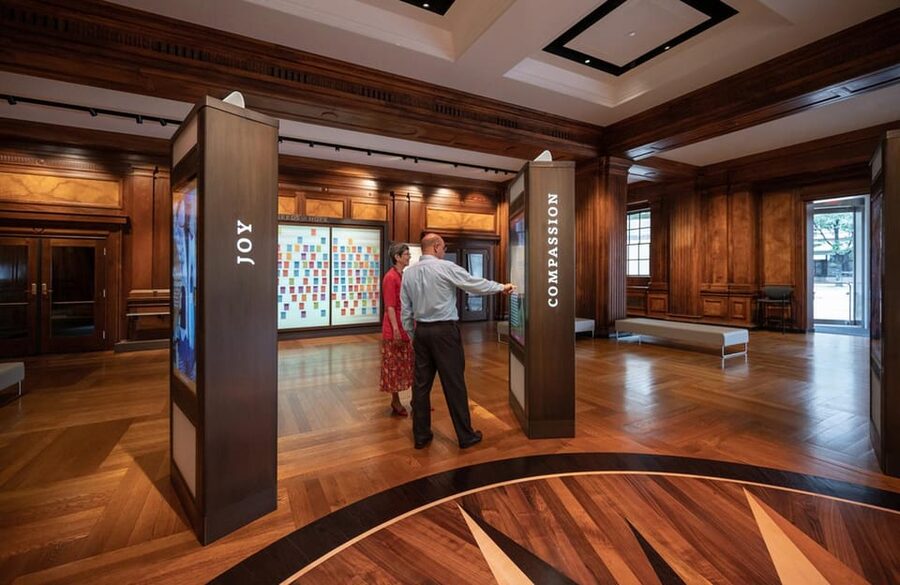
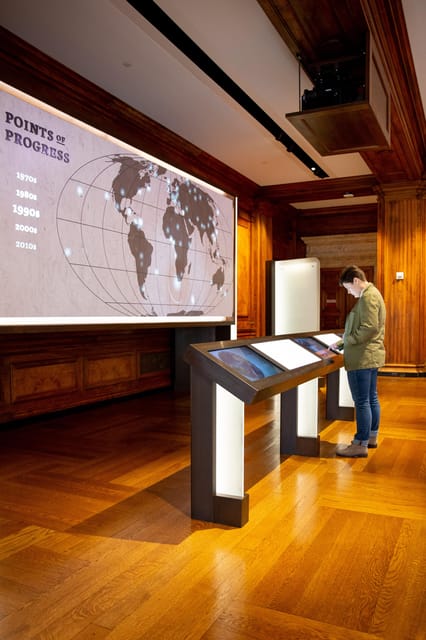
Our World: Mapping Progress looks at humanity’s advancement since 1935 and pushes the tone toward hope for the future. It’s not random information. The point is to connect the progress timeline to themes you can recognize in modern life. That makes the experience feel relevant, not like a dusty look-back.
Then Points of Progress brings it closer to modern readers by focusing on pivotal moments across big categories: human rights, scientific breakthroughs, exploration, and more. The pacing here is important. You’re still learning, but you’re not stuck in a lecture mode. You get a guided way to think about change, including the idea that progress is not one straight line.
If you like exhibits that help you build mental frameworks, this pairing works well. The Mapparium gives you a snapshot in time. The “progress” rooms expand that snapshot into a story you can follow.
The Christian Science and Mary Baker Eddy exhibits in plain context
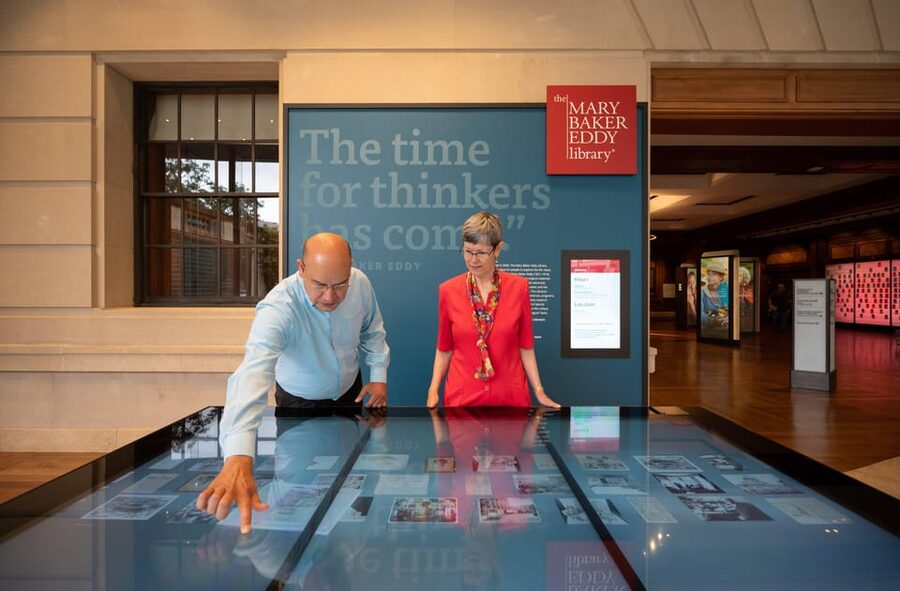
Boston isn’t short on religious history, but this stop has a specific focus. You’ll be able to explore Christian Science and Mary Baker Eddy, including her role as founder. The exhibit framing here gives you a way to understand why Mary Baker Eddy mattered enough to shape a long-running global publication and an entire set of ideas about Bible interpretation and everyday questions.
You will also see content that ties her lifelong love of the Bible to ongoing relevance and application to universal questions. That phrase is broad, but the effect is practical. The goal is to show how beliefs became a message style and then became a media style.
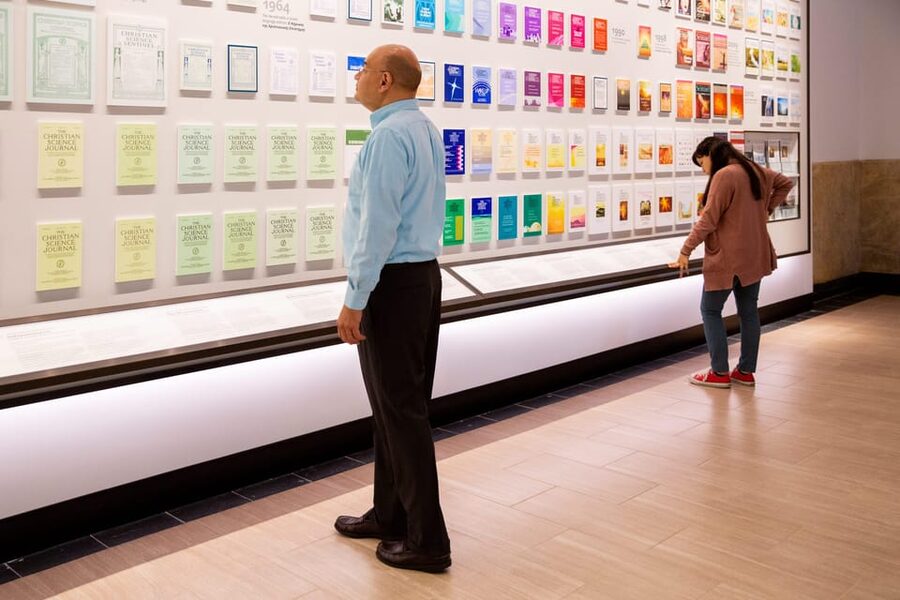
This portion of the experience also gives you a meaningful link to The Christian Science Monitor. You learn that it was founded in 1908 by Mary Baker Eddy. It is Pulitzer Prize-winning and has a mission to injure no man, but to bless all mankind. If you care about media history or how newspapers set tone through language, this is worth your attention.
And because the Monitor is part of the story, the exhibit helps you understand why you are seeing interactive global progress material in the same place. It’s not just art glass and facts. It’s a worldview plus a method for telling stories.
The Monitor’s role: eight interactive story sets and multimedia impact
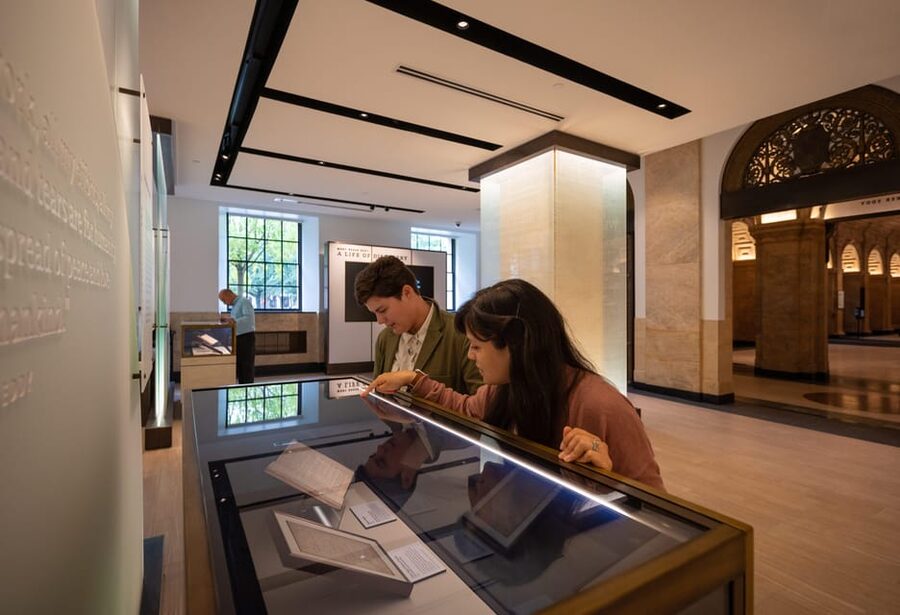
One of the most impressive parts of this experience is how the exhibits use multimedia and interaction to keep you moving. Instead of presenting everything as static panels, the story is organized into eight sets of interactive stories drawn from The Christian Science Monitor.
That matters because it shapes what you remember after you leave. When information is presented in tiny, story-based units, it sticks differently than a long timeline. You’re more likely to walk away with a few concrete examples of people shaping communities, rather than just general statements about progress.
The Monitor connection also adds a specific flavor. The paper is described as chronicling global stories of resilience and progress. So you’re not only seeing inventions or exploration milestones. You are also encountering narratives about people and communities. That human angle helps the “progress since 1935” theme feel grounded.
If you’re a person who enjoys museums that mix education with momentum, this portion works. You will probably appreciate that you can keep shifting your attention without losing the big thread.
Where to start: finding the How Do You See the World banners and timing your entry
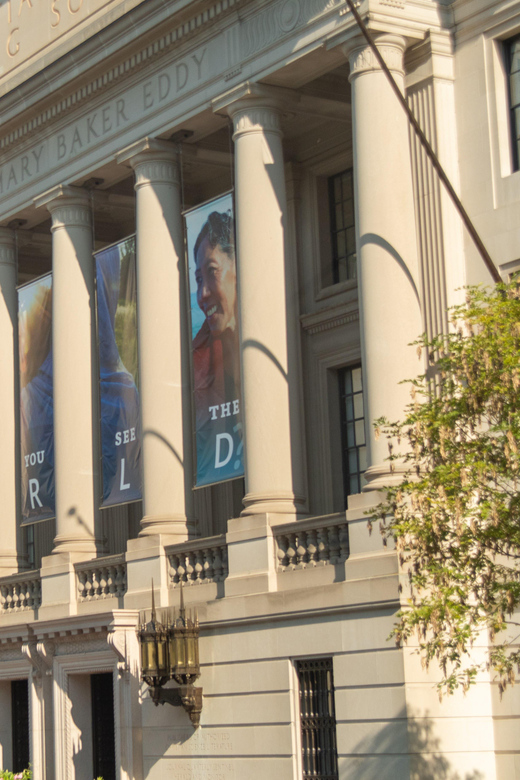
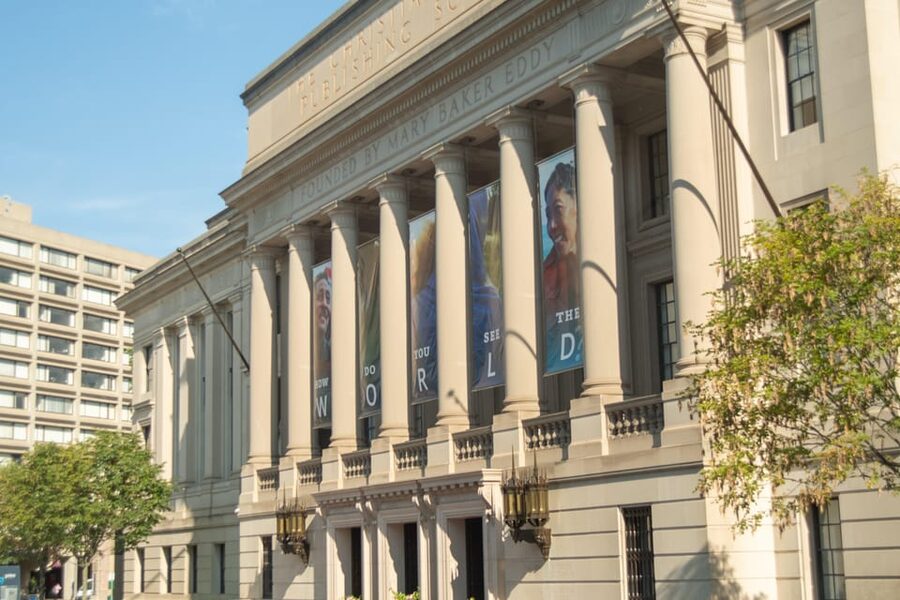
Getting oriented is easy if you know what to look for. Your meeting point is based on large banners that read How Do You See the World on the building next to the church. Arriving with that visual target in mind saves time and stress, especially on a tight schedule.
Now about timing. The Mapparium globe is the only timed part. The rest of the exhibits are always free and do not require a timed ticket. That means you can plan your day like this:
- Use your timed window for the globe first or at least be ready at your scheduled time
- Spend extra time in the free exhibits right after, since you are not trapped by a second time slot
The total duration listed is about 20 minutes for the experience. In real life, you may spend a little longer if you stop to read and replay sections, but 20 minutes is a good expectation for how the experience is built.
Also note the practical rule: food and drinks are not allowed. If you’re doing this as a quick stop between other sights, plan to handle snacks before you go in.
Another way the same afternoon could go around Boston:





The $6 ticket: what you get for the money in Boston terms
At $6 per person, this is priced like a casual add-on, but it plays like a focused mini experience. You are paying for something special: a three-story stained-glass globe in a specific frozen year plus the surrounding multimedia exhibits, including Mary Baker Eddy and Christian Science related content.
Here is the value equation that makes it work:
- The Mapparium globe is the rare, high-impact attraction. These types of walk-ins usually cost more elsewhere.
- The rest of the experience adds context, themes, and interactivity without requiring extra timed tickets.
- The Monitor and Mary Baker Eddy material gives you a deeper “why” behind the progress storytelling.
The tradeoff is simple. The globe portion is intentionally short. If you want a slow, long-form museum visit with lots of optional reading time, you might wish it lasted longer. But for the price and the structure, it’s a strong stop.
Who will enjoy this most, and who might not
This experience fits best if you like at least one of these:
- Maps and how people visualize the world
- Museums that use multimedia and interactive storytelling
- Boston history that is not just the usual architecture and walking tours
- Media or religion topics, especially connected to Mary Baker Eddy and The Christian Science Monitor
You might not love it if you want a purely secular, purely art-focused attraction. The Christian Science and Mary Baker Eddy exhibits are part of the package, and the Monitor mission is woven into the storytelling themes.
Also, if your schedule is chaotic, the timed globe entry can be a small hassle. Still, it’s only one timed component. The rest stays flexible.
Should you book the Mapparium + How Do You See the World experience?
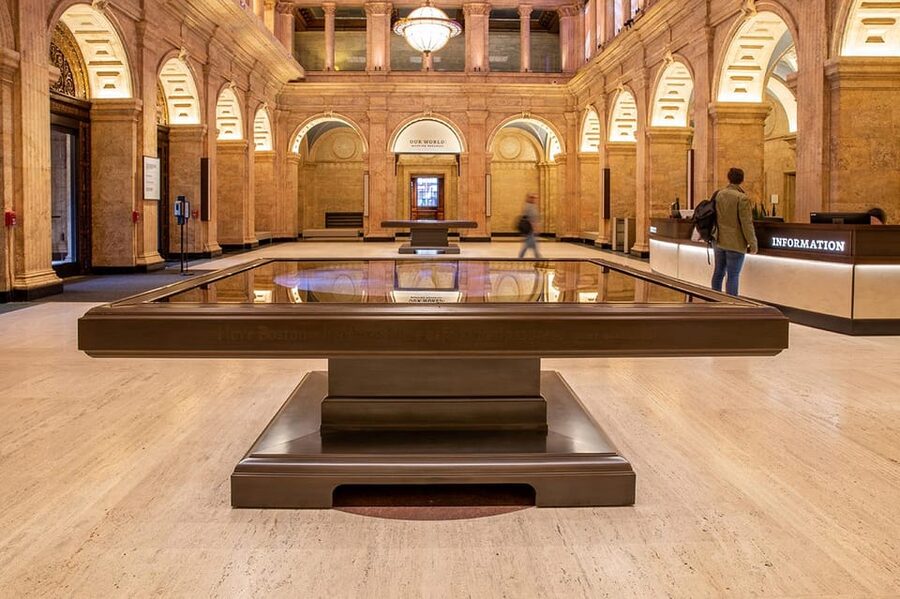
If you want a memorable Boston stop that feels different from the standard landmark run, I think this is an easy yes. The Mapparium globe is the sort of thing you remember because you stand inside it. Then the exhibits give you something to think about after the photos, especially around progress since 1935 and the human stories behind it.
Book it if:
- You like geography or the idea of comparing past and present worldviews
- You want a short, efficient visit that still includes multimedia and interactive content
- You are curious about Mary Baker Eddy and how her legacy ties to The Christian Science Monitor
Skip it if:
- You hate timed attractions
- You want a long, slow museum day
- You are not interested in Christian Science or Monitor-related context
If you check those boxes, this is a smart, good-value add-on to a Boston day.
FAQ
Do I need a timed ticket for the Mapparium globe?
Yes. The Mapparium globe entry is timed. The other exhibits are free and do not require a timed ticket.
How long does the experience take?
The listed duration is about 20 minutes. Check available starting times.
What else is included besides the globe?
Your entry covers the How Do You See the World experience plus the Christian Science and Mary Baker Eddy exhibit, and the Mary Baker Eddy Library and Exhibit.
Where do I meet for the tour?
Look for the large banners that read How Do You See the World on the building next to the church.
Can I bring food or drinks?
No. Food and drinks are not allowed.
Is there free cancellation and a reserve-pay-later option?
Yes. You can cancel up to 24 hours in advance for a full refund. You can also reserve now and pay later, so you can book your spot and pay nothing today.
Written up lately around the harbor
- Boston’s Beacon Hill: Private Walking Tour
★ 5.0 · 1 review - Boston’s Chinatown: Small Group Walking Tour
★ 5.0 · 1 review - Self-Guided Scavenger Hunt: Boston Back Bay & Beyond
★ 4.0 · 1 review - Flynn Cruise Port Boston to Boston hotels – Arrival Private Transfer
★ 5.0 · 1 review - Boston to Woods Hole & Martha’s Vineyard Ferry Private Chauffeur Service
★ 4.0 · 1 review - Classic Martha’s Vineyard 1-Day Escape from Boston
★ 5.0 · 1 review - Private Vacation Photoshoot with Photographer in Boston
★ 5.0 · 1 review