
Reviewed · TOURS
True Crime Tour of Boston
Boston has a darker side you can walk through. I like the structured storytelling and the easygoing pace that lets you keep up without feeling rushed. One caution: if you only want the biggest headline cases, you may find a few stops focus on broader criminal lore instead.
You start at the George Washington Statue and end by the Mary Dyer statue near the Massachusetts State House, usually in about two hours. It is an English, small-group walk (up to 20 people) built around real cases and real locations, with a mobile ticket and free admission at each stop.
In This Review
- Key things to know before you go
- A 2-hour true-crime walk that stays on the right side of dark
- Price, duration, and what $32 actually buys
- Where you start and where the stories end, near the State House
- Public Garden to Copley Square: Ether’s monument, a survivor memorial, and a chilling haunt
- A quick watch-out for expectations
- Central Burying Ground: where grave robbing turns into a real window on the past
- Emerson College and Parkman Bandstand: 1970s terror and a name tied to debt and death
- Boston Common Frog Pond and 27 School St: suicide attempt intrigue, forgeries, and Ponzi’s start
- John Adams Courthouse and the Mary Dyer statue: trials, extreme punishment, and Quaker persecution
- The guide experience: pacing, personality, and how to read the room
- Walking route comfort: what to bring for an easygoing afternoon
- Who this tour is best for (and who might not love it)
- Should you book this Boston true-crime tour?
- FAQ
- How much does the Boston True Crime Tour cost?
- How long is the tour?
- What time does the tour start?
- Where do I meet the tour?
- Where does the tour end?
- Is the tour offered in English?
- Do I need to pay for admission at the stops?
- How big is the group?
- Can I bring a service animal?
- Can I cancel for a full refund?
Key things to know before you go
- Ten stops in roughly two hours, with each location handled in quick, scripted segments
- Free entry at every listed stop, so the value comes from the guide, not museum tickets
- A respectful tone for sensitive topics, framed as history and context instead of shock
- Good for first-time Boston walkers, because the route hits major landmarks without long stretches
- Guide energy matters, and the best tours happen when the guide leans into pacing and personality
- Start time is 3:00 pm, so plan for a late-afternoon city walk with changing light
A 2-hour true-crime walk that stays on the right side of dark
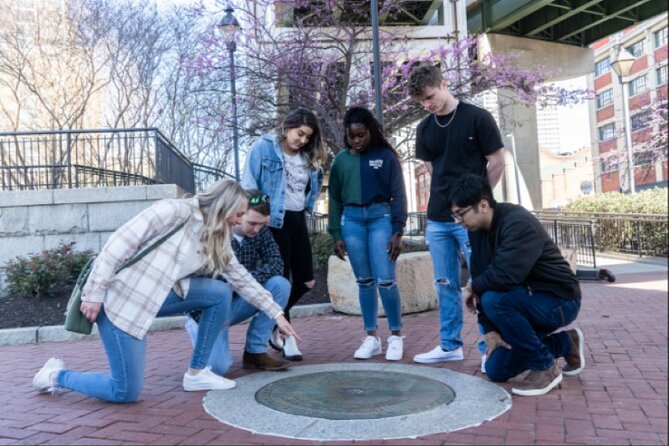
This is a tight, urban walking tour that treats Boston like a living archive. You are not just hearing crime titles. You are standing at places tied to fraud, trials, and other infamous stories, then getting the historical context to understand how the events fit into the city.
What I appreciate is the tone. The narration is meant to be structured and respectful, which matters a lot when you are dealing with violence, suicide attempts, and crimes that still feel raw. You can enjoy the macabre side without turning it into entertainment by accident.
The format also helps. Short stops mean you get a full story arc in bursts, then you move on while your interest stays high.
Lining up your days? These cover nearby ground in Boston:
- Boston Duck Boat Sightseeing City Tour with Cruise Along Charles River★ 4.5 · 9,378 reviews
- Boston: Freedom Trail History Small Group Walking Tour★ 5.0 · 6,450 reviews
- Boston Hop-On Hop-Off Trolley Tour with 13 Stops★ 4.5 · 5,576 reviews
Price, duration, and what $32 actually buys
At $32 per person for about two hours, you are paying for one thing: a guide who can connect real places to real crimes in a way that makes the city click.
The good news is that the route avoids paid attractions. Each stop lists free admission, so you are not paying extra on the ground. Practically, that means the trip works even if you are on a shoestring, or if you want one guided activity and then keep exploring on your own.
A second value point: the group size is capped at 20 people. That is small enough for a conversational feel, and you are less likely to get lost at the back while the guide is explaining the details.
Where you start and where the stories end, near the State House
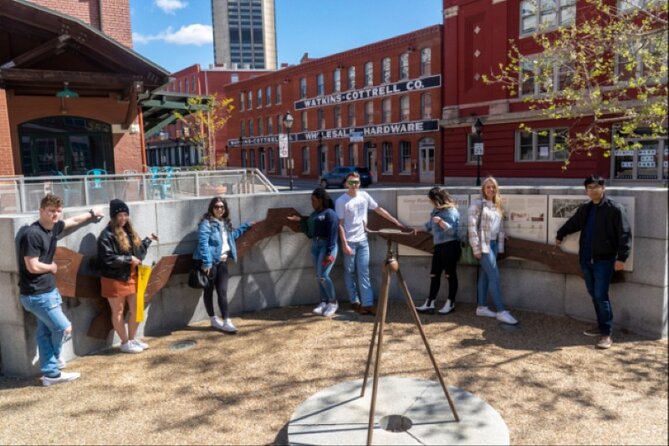
The tour meets at the George Washington Statue in Boston. The end point is the Mary Dyer statue near the Massachusetts State House. The start time is 3:00 pm, and the tour runs long enough to give you time to think about what you just learned, not just collect facts.
This route is designed to be walkable at an easy-to-moderate pace. The guidance calls for moderate physical fitness, and the tour is not framed as a tough hike. Still, it is a city sidewalk walk, so comfortable shoes matter.
Also, the tour uses a mobile ticket and runs in English. If you like having everything on your phone and keeping your paper bag light, you will appreciate this.
Public Garden to Copley Square: Ether’s monument, a survivor memorial, and a chilling haunt
The walk begins in Boston Public Garden, at the Ether monument. This stop frames the story of the first female serial killer through a landmark you can actually see. It is the kind of starting point that sets the tour’s style: real place, real name, then a careful explanation of how the case became part of Boston’s story.
Next, you head to the Boston Marathon Survivor Memorial. This is where the tour shifts from historical serial-crime lore to modern tragedy and resilience. The focus is on the terror in the days and weeks around the bombing, and the bravery that followed. It is one of the more emotionally charged segments, so I recommend bringing a quiet, respectful mindset.
Stop three is Copley Square, tied to the notorious Craiglist Killer. You get the connection between the person and the area, and the point is not just the sensational title. It is the idea that places you pass every day can be linked to harm and investigation.
If you are picky about tone, this cluster is a good litmus test. The tour tries to keep the stories structured, but you still need to be okay with serious subject matter.
A quick watch-out for expectations
One downside I would flag is that the tour covers different kinds of criminal stories, not only the ones that feel famous in pop culture. If you come in expecting every stop to be the most widely known case, you might feel a mismatch when the tour turns to lesser-told facts.
Another way the same afternoon could go around Boston:



Central Burying Ground: where grave robbing turns into a real window on the past
At Central Burying Ground, you learn about grave robbing, especially in the 18th and 19th centuries. The tour points out something easy to miss: not every cemetery raid was purely criminal in the obvious way. Some of it was tied to how bodies were used and the demand behind the scenes.
This stop also gives the tour an educational spine. You are not only hearing a case name. You are learning how society worked then, including why cemeteries were vulnerable and what that reveals about the era’s rules and economics.
One practical note: graveyards can feel windy or chilly depending on weather. If you are walking late in the day, a light layer can save you from rushing through the story because you are uncomfortable.
Emerson College and Parkman Bandstand: 1970s terror and a name tied to debt and death
Stop five is Emerson College, linked to the Hitchhiker Killer. The tour describes this as a 1970s serial killer case that terrorized Boston for about eight months. This segment matters because it shows how quickly fear can spread through a city when a pattern emerges and the public feels exposed.
Then you move to Parkman Bandstand, where the story shifts from a crime case to a family story that shaped the landmark. The naming comes from the Parkman family, tied to an amazing tale of debt and death. Even if you are not a true-crime superfan, this is where the tour helps you see Boston’s naming and architecture as something with consequences behind it.
I like these stops because they blend. You get evidence of crime and aftermath, but you also get why the city looks the way it does today.
Boston Common Frog Pond and 27 School St: suicide attempt intrigue, forgeries, and Ponzi’s start
The tour reaches Boston Common Frog Pond for a story involving a suicide attempt tied to intrigue, forgeries, and family strife. This is an area many people associate with sightseeing, but the tour reframes it with a darker human story. Because it includes themes of self-harm, the tour’s structured, respectful approach is especially important here.
Stop eight is 27 School St, focused on Charles Ponzi and the fraud that later became his name. This is a smart inclusion for two reasons. First, it broadens “crime” beyond violence into financial schemes. Second, it ties Boston’s story to something you probably recognize from history books and documentaries.
If you enjoy learning how con games worked, this segment can feel oddly modern. It is a reminder that scams often depend on trust, timing, and exploiting gaps in awareness.
John Adams Courthouse and the Mary Dyer statue: trials, extreme punishment, and Quaker persecution
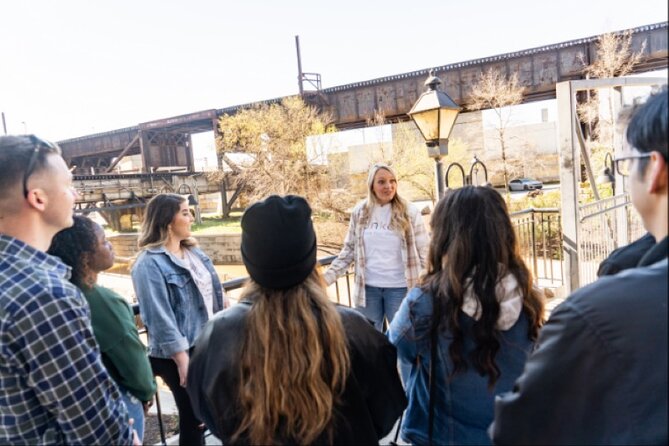
Near the end, you visit the John Adams Courthouse, where the tour references the “youngest serial killer in American history” being tried there. You get the idea that the justice system can intersect with shock in complicated ways, and you get the location context to make the trial feel real instead of abstract.
The final stop is at the Massachusetts State House, centered on the Mary Dyer statue. The story is about a woman executed for violating anti-Quaker laws, along with three other women. This ending does two things at once. It grounds the tour in the legal and moral climate of its era, and it shows that punishment and persecution are part of the crime and justice narrative too.
Ending at the State House is a strong choice. You finish with a place people already associate with civic life, then you leave thinking about what law meant in different centuries.
The guide experience: pacing, personality, and how to read the room
This tour rises or falls on the guide’s delivery. Some guides are described as funny and engaging, with stories that feel alive rather than read off a page. Other experiences have pointed to a more flat, memorized tone, which can make the facts feel harder to stick.
Names mentioned for strong performance include Kai, Andrew, and Kyle. What they have in common in the praise is not just facts, it is how they hold attention, keep a relaxed pace, and make each stop understandable without rushing you through it.
So here is my practical advice for you. Arrive a bit early at the meeting point so you can hear the opening explanation. Once you start moving, pay attention to whether the guide is talking to the group with energy, or whether it feels like a script with no sparkle. If you want entertainment with your history, that difference matters.
Also, while the tour aims for respectful structure, you should still know you are choosing a true-crime themed experience. If you are sensitive to suicide attempts or violent crimes, you may want to mentally prepare for those themes.
Walking route comfort: what to bring for an easygoing afternoon
The walking is built to be manageable for most people who describe their fitness as moderate. The schedule is paced so you are not sprinting between stops, and the total time is short enough that you are unlikely to burn out.
Still, bring the basics:
- Comfortable walking shoes, especially if the weather is rough
- A light layer for wind near open public spaces
- Your phone charged enough for a mobile ticket
If you tend to get cold easily or you dislike sitting through stories standing still, plan for small breaks after each segment. The stops are brief, but you are outdoors for the storytelling.
Who this tour is best for (and who might not love it)
This is ideal if you like:
- Seeing Boston landmarks with a different narrative layer
- True crime that includes courtrooms, fraud, and broader context
- A walking plan that moves at a steady, calm pace
It can be a less perfect fit if:
- You want only the most famous Boston criminal cases
- You are hoping for a purely violent-crime focus without detours into grave robbing and fraud
- You want a tour that feels exactly the same every time, regardless of guide style
I also think this works well as a weekend afternoon activity. At 3:00 pm, you can combine it with a lighter morning plan, then use the walk to set the tone for the rest of your day.
Should you book this Boston true-crime tour?
If you want a low-cost, walkable, landmark-to-landmark way to understand Boston through real criminal cases, I think it is a smart booking at $32. The fact that each stop is free to enter makes the value easier to swallow, and the short duration helps you commit without turning it into a half-day grind.
My main call-out is expectation management. This is not a list of only the biggest headline trials. It is a case-and-context walk across Boston, with stories that range from modern tragedy to 18th century grave robbing to Ponzi-era fraud.
If you are okay with that mix and you prefer a respectful, structured tone, you will likely enjoy it. If you need the tour to match a very specific list of crimes, you may want to think twice.
FAQ
How much does the Boston True Crime Tour cost?
The price is $32.00 per person.
How long is the tour?
It runs about 2 hours.
What time does the tour start?
The start time is 3:00 pm.
Where do I meet the tour?
The meeting point is the George Washington Statue, Boston, MA 02116.
Where does the tour end?
The tour ends at the Massachusetts State House near the Mary Dyer statue, at 24 Beacon St, Boston, MA 02133.
Is the tour offered in English?
Yes, it is offered in English.
Do I need to pay for admission at the stops?
Admission is listed as free at each stop.
How big is the group?
The tour has a maximum of 20 travelers.
Can I bring a service animal?
Yes, service animals are allowed.
Can I cancel for a full refund?
Yes, you can cancel up to 24 hours in advance for a full refund. If you cancel less than 24 hours before the start time, the amount paid is not refunded.
Written up lately around the harbor
- Boston’s Beacon Hill: Private Walking Tour
★ 5.0 · 1 review - Boston’s Chinatown: Small Group Walking Tour
★ 5.0 · 1 review - Self-Guided Scavenger Hunt: Boston Back Bay & Beyond
★ 4.0 · 1 review - Flynn Cruise Port Boston to Boston hotels – Arrival Private Transfer
★ 5.0 · 1 review - Boston to Woods Hole & Martha’s Vineyard Ferry Private Chauffeur Service
★ 4.0 · 1 review - Classic Martha’s Vineyard 1-Day Escape from Boston
★ 5.0 · 1 review - Private Vacation Photoshoot with Photographer in Boston
★ 5.0 · 1 review
Tours, compared.
History and Hauntings of Salem Guided Walking Tour
Read our review →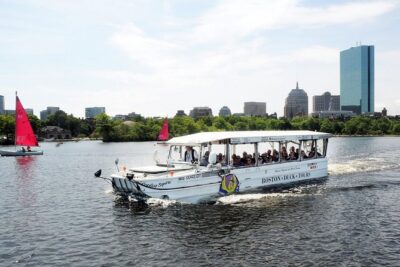
Boston Duck Boat Sightseeing City Tour with Cruise Along Charles River
Read our review →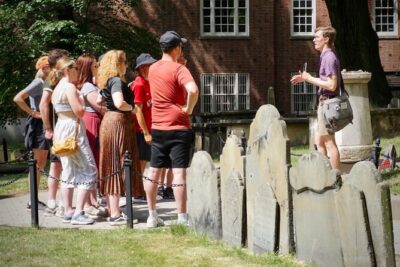
Freedom Trail History Small Group Walking Tour
Read our review →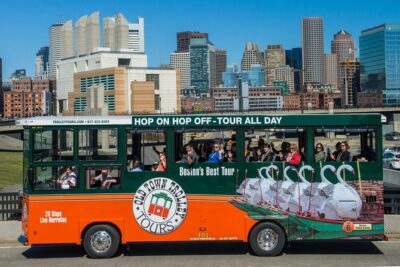
Boston Hop-On Hop-Off Trolley Tour with 13 Stops
Read our review →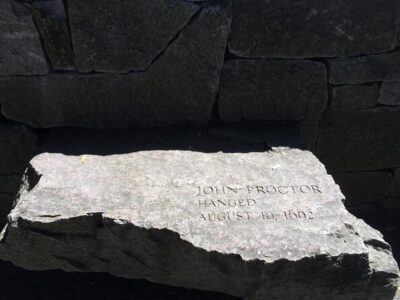
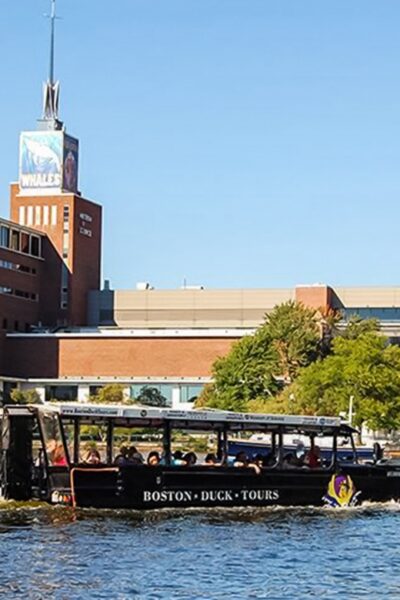
Boston Duck Tour: The Original and World-Famous
Read our review →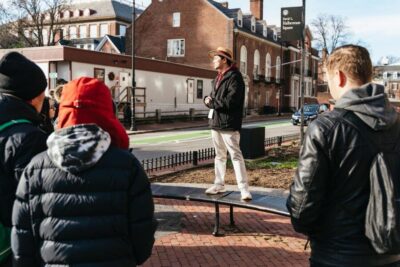
Harvard University Student-Guided Walking Tour
Read our review →