
Reviewed · HARVARD AND MIT CAMPUS TOURS
Cambridge, Massachusetts: MIT and Harvard Walking Tour
MIT and Harvard in one outing, with stories that actually stick. You start at MIT, then roll to Harvard for the Statue of the Three Lies and the Smoot markings on the bridge. I like that the tour is outside-focused but still packed with specific building names, student traditions, and the why behind them.
Two other things I really like: you get big-photo moments at the MIT Dome area and at Widener Library, and you travel like a local on the subway between campuses. The guide-led format also means you are not just looking at pretty facades, you are getting the legend, the architecture, and the oddball details that make both schools feel human.
One drawback to plan for: this tour does not go inside any MIT or Harvard buildings. If your top goal is interior spaces, you will need a separate plan for that.
In This Review
- Key points to know before you go
- Ripple Cafe To MIT’s Weird and Wonderful Campus Shapes
- MIT Media Lab, Gray House, Green Building: Fast Facts You Can See
- Killian Court, the MIT Dome Area, and Big-Photo Boston Views
- MIT.nano and the Banana Lounge: The Fun Part That Still Makes Sense
- Frank Gehry at Stata Center: Where Architecture Looks Like a Machine
- Harvard Bridge Smoot Markings and the Subway Transition
- Johnston Gate, John Harvard Statue, and Getting Oriented Fast
- Harvard Yard, the Statue of the Three Lies, and Traditions With Teeth
- Memorial Hall, Memorial Church, and Widener Library for the Classic Harvard Look
- Wadsworth House, Lowell House, and Kirkland House: Where Student Life Shows Up
- Harvard Square Finish: Turn the Last Hour Into Your Own City Walk
- Pacing, Guides, and Why the Stories Feel Human
- Price and Value for a 3.5-Hour MIT Plus Harvard Experience
- Who This MIT and Harvard Tour Fits Best
- Should You Book This MIT and Harvard Tour?
- FAQ
- Where does the tour start and end?
- How much does the tour cost?
- How long is the tour?
- Do you go inside buildings at MIT or Harvard?
- Is the subway ride included?
- What should I bring?
- Are pets allowed?
- Is there a cancellation policy?
- Is it suitable for mobility impairments or wheelchair users?
- How many languages are offered?
Key points to know before you go
- MIT starts first, so you can understand how the school shaped modern design and inventions before you hit Harvard
- Architecture fans get paid well, with stops tied to Frank Gehry and I.M. Pei designs you can spot from the outside
- Harvard Yard feels like a timeline, with famous traditions explained as you walk the central grounds
- Photo-ready highlights are built in, including the MIT Dome area and Widener Library
- A subway ride is included, plus a short wait with context about the T
- Guides drive the experience, with many past groups praising leaders like Jenny and Alexandria for pacing and humor
Ripple Cafe To MIT’s Weird and Wonderful Campus Shapes
The tour begins at Ripple Cafe, right by the MIT/Kendall subway station. That matters because it keeps the start easy, and you are not wasting time figuring out where to meet while your group is still sorting out who brought comfy shoes.
From there, the guide leads you through MIT in a way that feels like you are learning the campus’s personality. You will hear about MIT’s origins, famous pranks, inventions, and the kind of student mindset that helped build the school’s reputation.
One smart choice here is the mix of classic and playful MIT landmarks. You get the big, recognizable spaces like Killian Court, but you also get the culture cues, like how students treat buildings as part of their daily experiments and traditions. In groups, that keeps the tour from turning into a lecture with quick snapshots.
More walks across the Cambridge campuses:
- Harvard University Campus Guided Walking Tour★ 4.5 · 3,632 reviews
- Best Of Boston: Harvard, MIT, Harbor Cruise Small Group Day Trip★ 4.5 · 10 reviews
- From NYC: 1-Day Tour to Boston, Cambridge, MIT, Harvard, and Much More★ 4.7 · 6 reviews
MIT Media Lab, Gray House, Green Building: Fast Facts You Can See
Your early stops focus on MIT’s modern identity. At the MIT Media Lab, you are guided through what the building signals about MIT’s approach to tech and experimentation. The whole point is to help you connect the architecture and the research culture without getting stuck in technical jargon.
Then you move through short but meaningful exterior stops like Gray House and the Green Building. The Green Building is tied to I.M. Pei design, and seeing it from the outside is a good reminder that famous architects did not just show up for a trophy photo. MIT’s look was a deliberate statement about the future.
At each stop, the guide ties what you are seeing to a story: why the school built this, what kind of student life it shaped, and how the campus became a stage for both serious work and classic chaos. If you like learning through context, this section does a good job of making the buildings feel less abstract.
Killian Court, the MIT Dome Area, and Big-Photo Boston Views
Killian Court is one of those places where the campus vibe clicks instantly. Even without entering buildings, you can feel why people use this space as a postcard. The guide uses the setting to explain MIT’s design logic and the way the campus organizes movement and community.
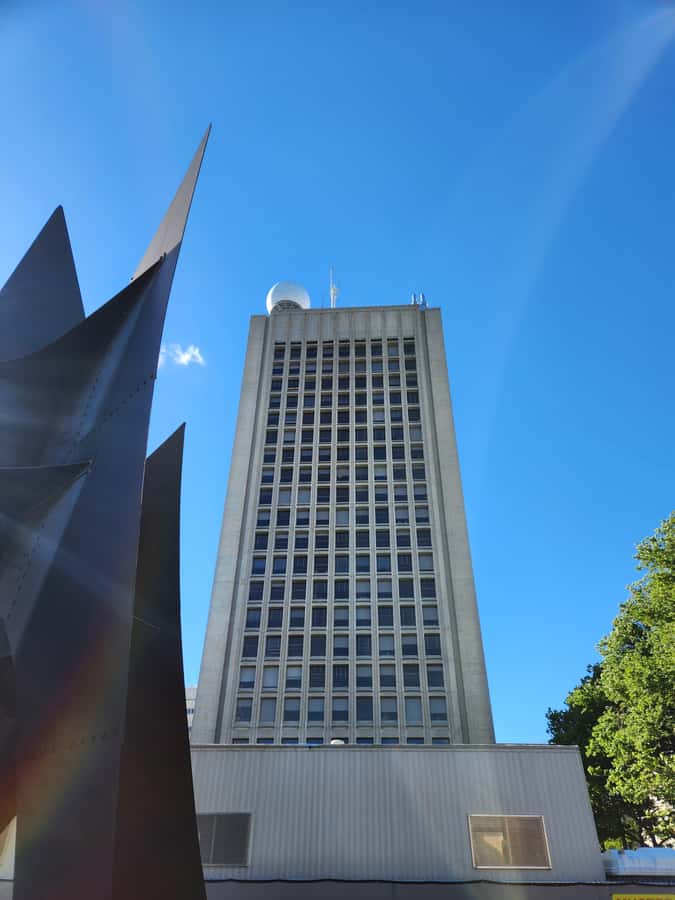
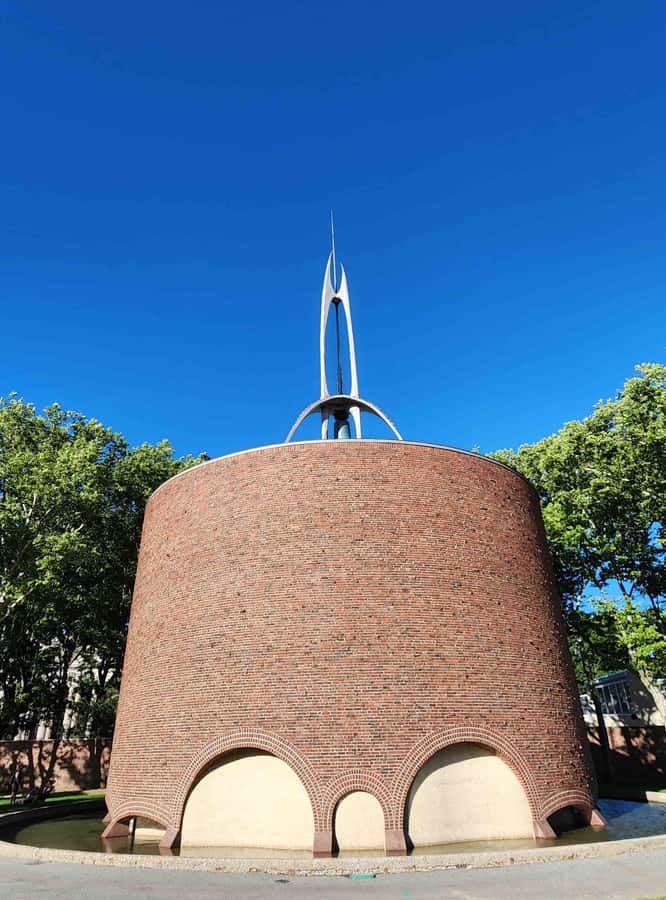
Next comes the MIT Dome area, which is where the photos get serious. The Dome is a visual anchor, and it is a perfect moment to pause and take a step back, then look at how MIT’s style connects across distances.
You will also get a view across the river toward Boston during the walk. That is not just scenery. It gives you a sense of where MIT sits in the larger city story, and it helps you understand why so many students treat Cambridge like home while still feeling like they are on the edge of something bigger.
MIT.nano and the Banana Lounge: The Fun Part That Still Makes Sense

A couple of MIT stops lean into the playful side, and they are worth leaning into. MIT.nano and MIT’s Banana Lounge are included for a reason: MIT culture includes humor, engineering instincts, and a willingness to turn everyday spaces into part of the lab mindset.
If you are the type who worries tours will be all tradition and no personality, these stops are your release valve. You get facts, but you also get a sense of why MIT students are known for hacking the system, not only inventing new ones.
This section also helps you remember something important for the rest of the day. When you later walk Harvard Yard, you will see a different kind of identity, more formal and more historic. MIT first makes that contrast feel vivid instead of random.
Frank Gehry at Stata Center: Where Architecture Looks Like a Machine
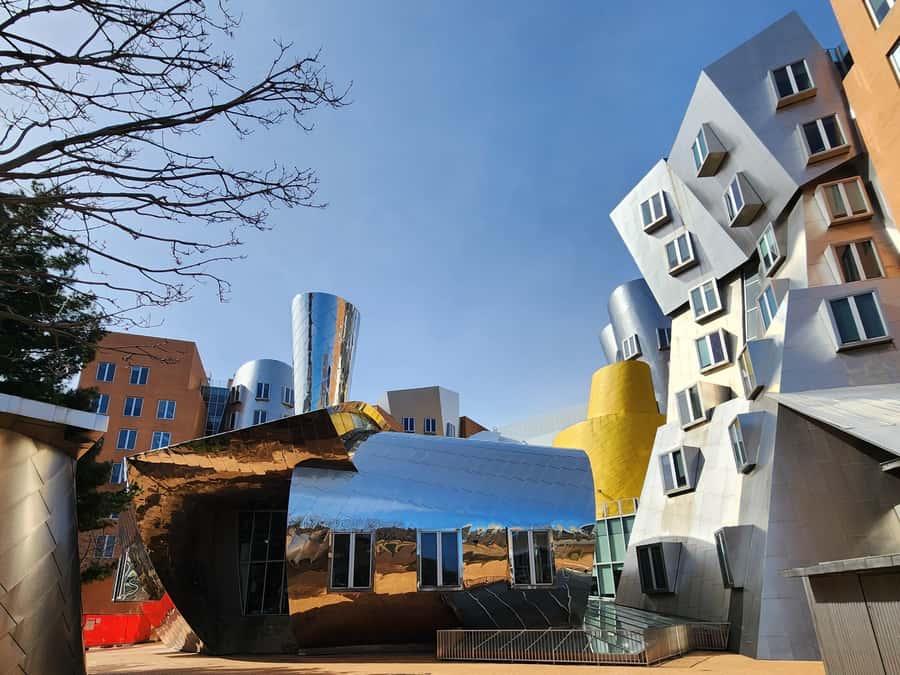
Stata Center is the standout architecture stop on the MIT half. It is linked to Frank Gehry, and you can see his signature approach from the outside: sharp angles, unexpected shapes, and a sense that the building is actively doing something.
The guide’s job is to help you read it. Instead of treating Gehry’s style like a visual stunt, you learn how these choices fit the broader MIT theme: build places where thinking and collaboration happen in physical form.
This is also where many people tighten their photo habits. You get a strong angle for pictures, and you also get a clear sense of how MIT uses bold design to create identity. If you care about architecture beyond “nice building,” this is the stop you will remember later when you look at other campuses and try to spot the design intent.
More of Boston crossed at walking pace:
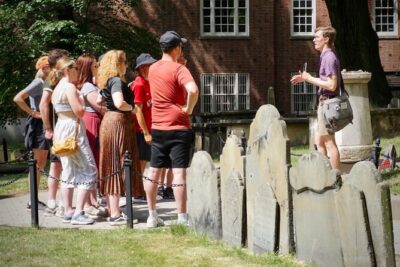


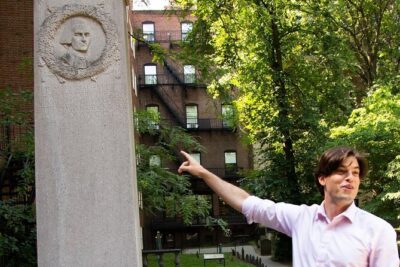
Harvard Bridge Smoot Markings and the Subway Transition
After MIT, you switch to Harvard using the subway for a total of two stops. The ride itself is part of the experience, because your subway fare is included, and you do not have to micromanage payment while staying with the group.
There is also a practical upside here. Using public transit keeps the day moving without adding stress, and the guide can give context about the subway while you wait. This little layer of local history keeps the transition from feeling like a gap.
Then you hit the Harvard Bridge area and learn about the famous Smoot markings on the bridge. That kind of detail is exactly why this tour works for casual visitors and design-minded people alike. It is a real campus legend tied to a real structure you can point at.
Johnston Gate, John Harvard Statue, and Getting Oriented Fast
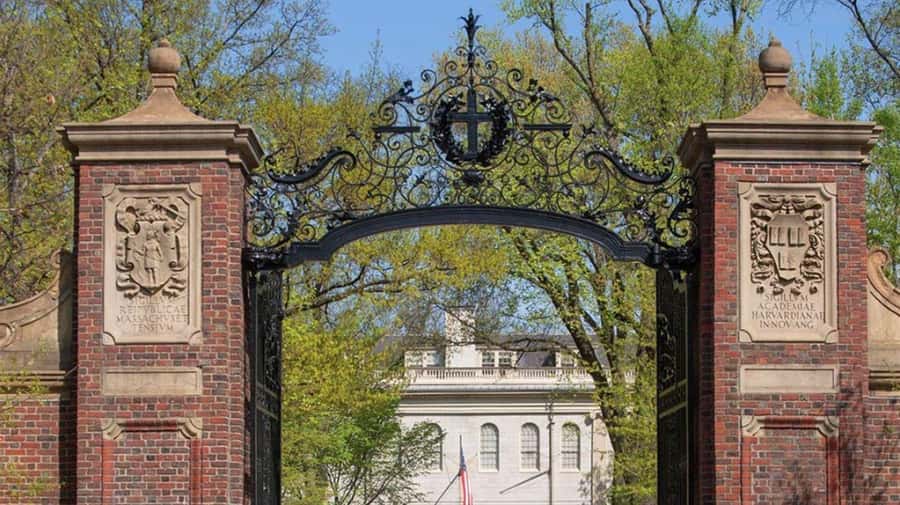
At Harvard, the tour begins with a classic “welcome” moment near Johnston Gate, then moves you toward the John Harvard statue. This is an orientation move, and it helps you understand where you are in relation to Harvard Yard.
Even if you have seen Harvard on TV or in movies, the outside-only focus can still make the place feel legible. The guide points out how the campus layout creates a center of gravity around Harvard Yard, and how the surrounding halls reinforce that old-school academic layout.
This is also the part where the tour helps you decide what to notice. You will likely start seeing symmetry, materials, and placement patterns instead of just admiring individual buildings. That is the real value of a guide here, you are learning how to look.
Harvard Yard, the Statue of the Three Lies, and Traditions With Teeth
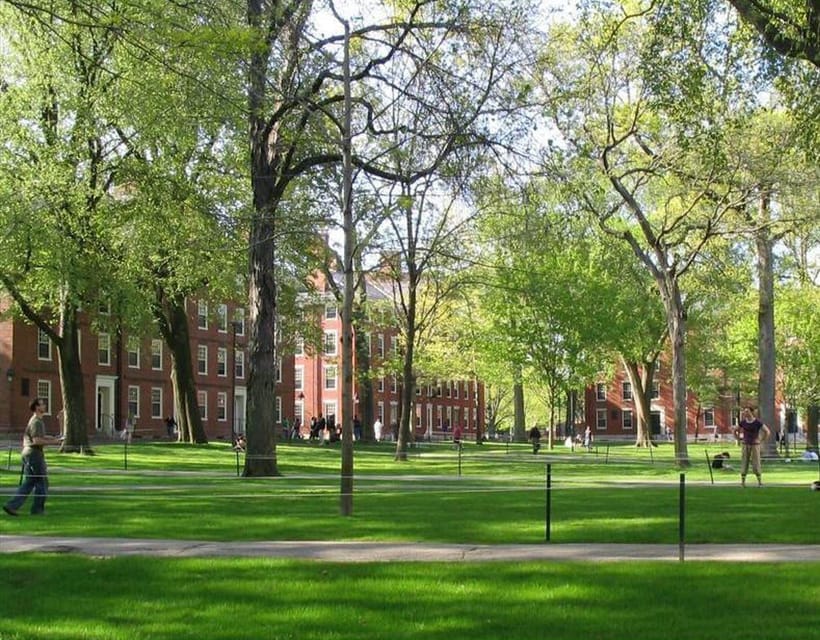
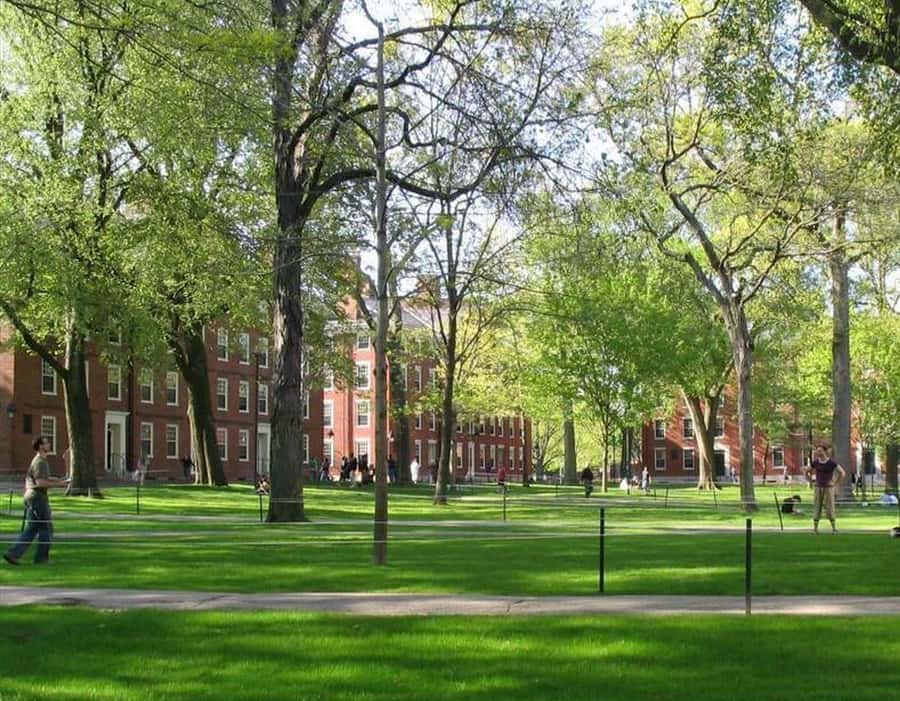
Harvard Yard is the big center-stage portion, and it is where history and humor meet. You learn about Harvard’s founding as America’s oldest college, founded in 1636, and you walk into the kind of setting where the past is physically close.
In the middle of it all is the Statue of the Three Lies. The guide explains why it has been deceiving visitors for almost 150 years, and you quickly understand how Harvard builds meaning with playful mythmaking, not just solemn stone.
You will also hear about whimsical student traditions, and you get the connection to academic legacy without the tour turning into a lecture. The stories make Harvard feel lived-in, even though you are not stepping inside.
Memorial Hall, Memorial Church, and Widener Library for the Classic Harvard Look
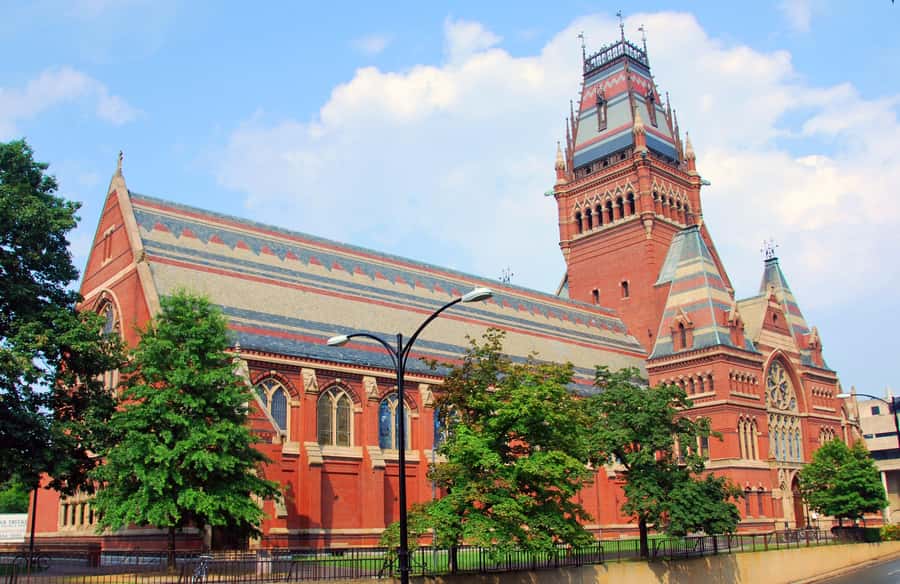
After Harvard Yard, you move into the Memorial Hall and Memorial Church area, then toward Widener Library. These stops do a good job of giving you the Harvard “tone.” The guide uses exterior details to explain why these buildings hold symbolic weight on campus.
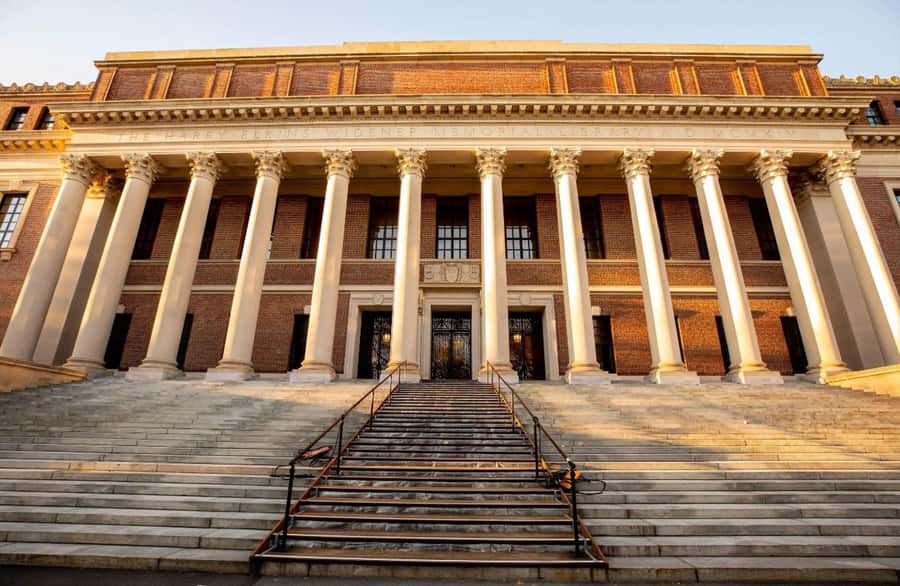
Widener Library is where the photos are usually timed like an appointment. It is a landmark facade that reads instantly from multiple angles, and it works as a contrast to MIT’s more chaotic modern shapes.
This portion is also a good place to slow down. You have a chance to notice materials, lines, and how the campus uses open space to frame buildings. Even if you are not obsessed with architecture, you will probably leave with a clearer sense of what Harvard’s identity looks like from the street.
Wadsworth House, Lowell House, and Kirkland House: Where Student Life Shows Up
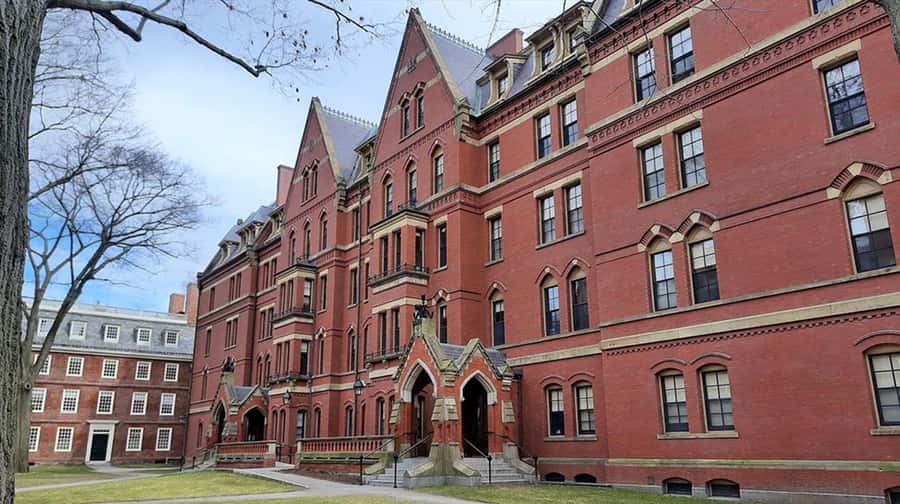
Then the tour shifts into Harvard residential house territory: Wadsworth House, Lowell House, and Kirkland House. These stops matter because they connect Harvard’s public-facing traditions to the quieter daily rhythms of student life.
One of the highlights is understanding where students live after Housing Day at the end of freshman year. The guide ties that tradition to what you see around the houses, so it does not feel like a random fact. It makes student culture easier to picture.
These exterior walks also help you see how Harvard uses older, established buildings to support modern community. The vibe is different from MIT, less experimental-looking and more tradition-forward, but you still get a sense that the campus is alive.
Harvard Square Finish: Turn the Last Hour Into Your Own City Walk
The tour finishes at Harvard Square. That is a smart ending because it gives you an easy place to keep moving without crossing the city in a second plan.
I like that you can convert the tour into a self-guided wander right away. You have the campus context from the guided part, so even quick stops around the Square feel more connected to the place you just learned about.
If you want souvenirs, snacks, or simply a place to sit and digest the day’s stories, Harvard Square is the practical landing pad. It also works well if you are meeting other people who are already exploring Cambridge.
Pacing, Guides, and Why the Stories Feel Human
The tour runs about 210 minutes, so it is not a long, slow slog. It stays active and keeps moving between MIT and Harvard without trying to cram every corner of either campus into your day.
This pace is one of the most praised parts from past groups. People repeatedly mention that the timing feels well managed, the content is interesting without being overwhelming, and the guide keeps the group engaged even in rain or cold weather.
Guide quality seems to be a key factor. Names that come up often include Jenny, Alexandria, Alex, Maria, and Holly. The common thread is not just facts, it is delivery: humor, clear explanations, and a sense of pacing that keeps questions flowing.
I also appreciate how practical the guide approach seems to be. In some cases, guides help with real-world needs like managing strollers, and there is even mention of adjusting plans when a specific outdoor area was closed due to an event. That kind of flexibility is exactly what keeps a walking tour from turning into stress.
Price and Value for a 3.5-Hour MIT Plus Harvard Experience
At $49 per person for about 210 minutes, the value comes from a few specific pieces that add up.
First, you get a licensed guide for the full experience. Second, you get the subway ticket included for the MIT to Harvard transfer. That saves hassle and cost versus paying separately, and it keeps the day efficient.
Third, the tour is built around exterior architecture, legends, and student-culture stories. Since no interiors are included, you are not paying for entry fees, but you are still getting plenty of landmark time, especially around MIT’s Dome area, Stata Center, and Harvard’s Yard and Widener Library.
Where value can feel lower is if your priority is inside-access or admission-advice level detail. This tour is not designed for that. It is for history, architecture, and legends, delivered as you walk.
Who This MIT and Harvard Tour Fits Best
This tour is a strong match if you like architecture, campus lore, and the kind of stories that make famous institutions feel real. It also works well if you want the MIT-to-Harvard contrast in one morning or afternoon, because the guide frames that shift for you.
It is also a good option for teens and adults who are curious but not looking for a building-entrance sprint. People have noted that even younger visitors have stayed interested, largely because the tour mixes serious facts with playful MIT and Harvard traditions.
On the other hand, it is not a good fit if you need mobility accommodations. The tour is not suitable for people with mobility impairments or wheelchair users, and it also is not appropriate for those over 95 years. You also cannot bring mobility scooters, walking sticks, or crutches, and pets are not allowed (assistance dogs are allowed).
If you want to go inside MIT buildings, the data says you can sometimes do that on select open-to-visitors days, but that is separate from this tour. Harvard buildings have stricter rules for non-students, so plan around outside viewing.
Should You Book This MIT and Harvard Tour?
I would book this if you want an efficient, guide-led walk that explains what you are seeing, from the MIT Media Lab feel to Harvard Yard traditions, with practical transit included. For $49, the included guide time plus the subway ride makes it a tidy value, and the landmarks are chosen to deliver strong photos and clear stories.
Skip it if your main goal is interior access or admission-style answers. This is an outside-only architecture and legends tour, so you will get the atmosphere and context, not the inside tour of classrooms and halls.
If you are going soon, wear comfortable shoes, because you will be on your feet across two major campuses. And pick a guide you connect with, because names like Jenny and Alexandria show up again and again for a reason, they keep the day moving and make the facts feel like part of the place.
FAQ
Where does the tour start and end?
It starts in front of Ripple Cafe next to the MIT/Kendall subway station. It ends at Harvard Square.
How much does the tour cost?
The price is $49 per person.
How long is the tour?
The duration is 210 minutes.
Do you go inside buildings at MIT or Harvard?
No. This tour only covers the outside parts of the campuses, and it does not go into any buildings at MIT or Harvard.
Is the subway ride included?
Yes. The subway ticket from MIT to Harvard is included.
What should I bring?
Bring comfortable shoes.
Are pets allowed?
Pets are not allowed, but assistance dogs are allowed.
Is there a cancellation policy?
Yes, there is free cancellation up to 24 hours in advance for a full refund.
Is it suitable for mobility impairments or wheelchair users?
No. The tour is not suitable for people with mobility impairments or wheelchair users.
How many languages are offered?
The tour is offered in English.
Written up lately around the harbor
- Boston’s Beacon Hill: Private Walking Tour
★ 5.0 · 1 review - Boston’s Chinatown: Small Group Walking Tour
★ 5.0 · 1 review - Self-Guided Scavenger Hunt: Boston Back Bay & Beyond
★ 4.0 · 1 review - Flynn Cruise Port Boston to Boston hotels – Arrival Private Transfer
★ 5.0 · 1 review - Boston to Woods Hole & Martha’s Vineyard Ferry Private Chauffeur Service
★ 4.0 · 1 review - Classic Martha’s Vineyard 1-Day Escape from Boston
★ 5.0 · 1 review - Private Vacation Photoshoot with Photographer in Boston
★ 5.0 · 1 review
Harvard and MIT Campus Tours, compared.

Harvard University Student-Guided Walking Tour
Read our review →
Harvard University Campus Guided Walking Tour
Read our review →
From NYC: Boston and Harvard University Guided Day Tour
Read our review →
Best Of Boston: Harvard, MIT, Harbor Cruise Small Group Day Trip
Read our review →
Harvard: America’s oldest university – walking tour in French
Read our review →
From NYC: 1-Day Tour to Boston, Cambridge, MIT, Harvard, and Much More
Read our review →
Boston Private City Tour 4 hours and Harvard University
Read our review →
From NYC: Boston 1-Day Tour Harvard, Cambridge, MIT & Freedom Trail.
Read our review →Browse the lists this tour appears in