
Reviewed · BEACON HILL TOURS
Boston: Underground Railroad History Tour of Beacon Hill
Beacon Hill hides a second Boston. I love how this tour uses a small-group walking format to connect Underground Railroad stories to Civil War era Boston. I also love that you visit Black Heritage Trail landmarks so the history is anchored to real addresses, not just plaques.
Your biggest heads-up is the pace: plan on about 2.5 hours of walking and standing on Beacon Hill’s hills and uneven surfaces. If you have trouble with long standing, this may feel like too much.
In This Review
- Key Takeaways Before You Go
- Why Beacon Hill Works for Underground Railroad History
- Starting at Soldiers and Sailors Monument, Then Finding the Thread
- Boston Common to Acorn Street, From Public Space to Hidden Meaning
- Phillips School and Charles Street Meeting House: Where Integration Was the Fight
- John J Smith House, Charles Street Energy, and the Hayden Safe House
- Otis House, Asher Benjamin’s Design, and the Slavery Fight in Public Life
- African Meeting House: The One Stop You Can Step Inside
- Finishing by the Robert Gould Shaw Memorial and the 54th
- Price, Pacing, and How to Plan Your Morning
- Should You Book This Beacon Hill Underground Railroad Tour?
- FAQ
- How long is the Beacon Hill Underground Railroad History Tour?
- How much does it cost?
- Is this a small-group tour?
- Where does the tour start and where does it end?
- Is the African Meeting House admission included?
- What should I wear or bring?
- What if weather is bad or the minimum number of travelers is not met?
Key Takeaways Before You Go

- Small-group size (max 16) means your guide can actually answer questions
- Black Heritage Trail coverage hits all 10 landmarks, with the best story beats at street level
- Underground Railroad safe house stop at 66 Phillips St gives the story a physical anchor
- One paid indoor stop at the African Meeting House helps the tour feel more complete
- Multiple Civil War and abolition flashpoints keep the Boston story moving toward the end of slavery
Why Beacon Hill Works for Underground Railroad History
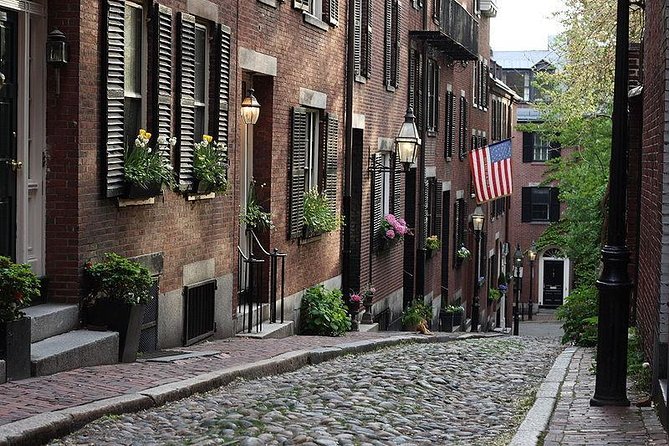
Beacon Hill can look like postcard Boston. Brick sidewalks, tidy storefronts, and classic cobblestone lanes make it easy to forget what happened here.
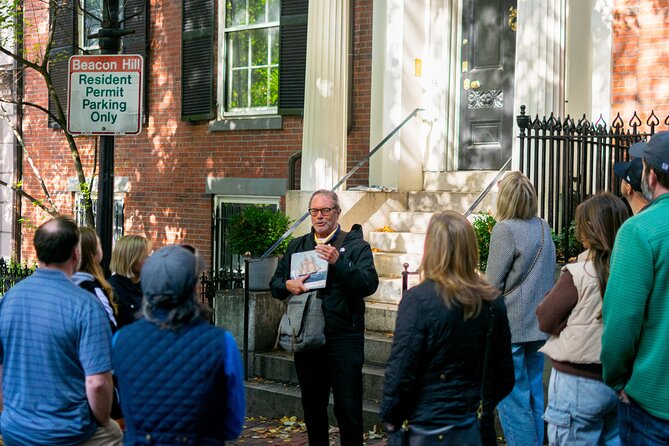
That is exactly why this tour clicks. You walk through the neighborhood where abolitionists lived, argued, organized, and sometimes faced punishment for pushing against slavery. Instead of treating the Underground Railroad like a distant myth, the tour points to specific homes and institutions tied to Black activism, integration fights, and the push for freedom.
And it is not only about escape routes. You also hear how Boston’s political and social world shaped the run-up to the Civil War, including the way debates over slavery followed people into courthouses, schools, churches, and public life.
Other walks through Beacon Hill:
- Downtown Freedom Trail, Beacon Hill & Back Bay Walking Tour★ 4.5 · 473 reviews
- 2-Hour Beacon Hill True Crime Expert Guided Tour★ 5.0 · 182 reviews
- Beacon Hill Boston History + Photo Walking Tour (SMALL Group)★ 5.0 · 163 reviews
Starting at Soldiers and Sailors Monument, Then Finding the Thread
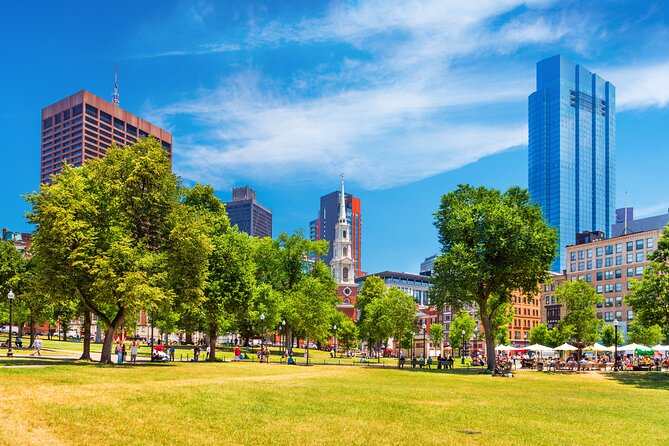
You meet at the Soldiers and Sailors Monument on Boston Common, right near the Boston Common Visitors Center at 139 Tremont Street. Look for the white granite column topped by a woman holding a flag, with four bronze statues around the base.
The guide uses this spot to get your bearings fast, then tightens the story link to the neighborhood around you. Right there, you also hear about Boston Common as the oldest public land in the Americas and a communal grazing pasture dating to 1634. It sets a helpful tone: this is not just a set of historical stops, it is a living city space that has been reshaped for centuries.
From the start, you can expect a clear rhythm. Short walks, frequent stops, and a lot of story in compact doses. It feels like moving through a real neighborhood map, not marching from one tourist marker to another.
Boston Common to Acorn Street, From Public Space to Hidden Meaning
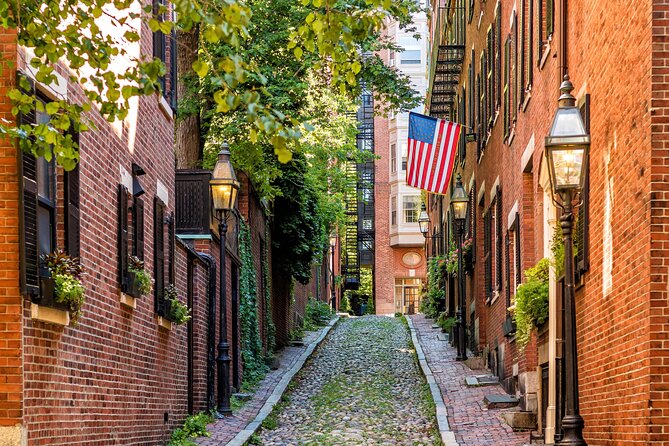
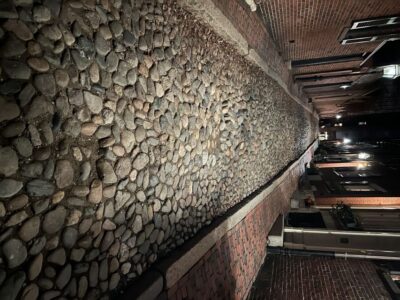
After the opening on Boston Common, you head into Beacon Hill’s tight lanes. Acorn Street is the first place you really feel the neighborhood’s historic character. Narrow cobblestone alleyways curve in a way that makes the streets feel smaller than you expect, even when you are standing right on them.
This is where the tour balances two things: beauty and discomfort. Beacon Hill’s elegant streets can lull you into thinking history was always polite and orderly. The guide keeps pulling the conversation back to what the community was fighting over, especially around race, schooling, and freedom.
Then the tour moves to an elegant neighborhood square associated with the world of the 19th-century Boston Brahmins. That contrast matters. It helps you see how privilege, power, and respectability operated in the same city as abolitionist organizing and Black resistance.
Phillips School and Charles Street Meeting House: Where Integration Was the Fight
Phillips School is a standout stop because the building story is direct and specific. The school opened in 1824 as a whites-only school. By 1855, it was among the first schools in Boston to integrate.
That timeframe gives you a way to understand progress that is often flattened into a single line in history books. Here, you see that change took decades, and it happened through struggle, pressure, and conflict.
Next comes the Charles Street Meeting House, built in 1807. The tour highlights how this site became tied to contentious debate over racial integration. This is one of those stops where the setting does half the work for you. Meeting houses were community nerve centers, so when arguments broke out here, you are not just hearing about opinion, you are hearing about people colliding in a shared public space.
If you want your Boston story to feel human, these two stops do it. They show education and worship not as background scenery, but as battlegrounds where who belonged became a public issue.
John J Smith House, Charles Street Energy, and the Hayden Safe House
Beacon Hill’s streets are charming, but the tour keeps pointing at who used those streets for activism. On John J Smith House, you learn about a leading abolitionist, state legislator, and former barber. That mix of roles is important. It shows abolition was not only speeches and pamphlets. It was also local influence, political leverage, and community connections.
Then you move along Charles Street, the primary thoroughfare of Beacon Hill lined with shops and restaurants. In another tour, that might be a pause for photos. Here, the guide uses it to connect the everyday neighborhood rhythm to the era’s moral arguments.
One of the most powerful moments is the stop at 66 Phillips St, the Underground Railroad safe house owned by the Haydens. They are described as staunch abolitionists, and they were formerly enslaved. That matters because it prevents the story from becoming generic. You are hearing about real people risking real consequences, from inside a building that still sits in the same neighborhood you are walking.
The tour’s approach here is practical. You do not need a big imagination to feel the stakes. You are standing where the decision to help people escape would have played out in daily life.
Other walks through revolutionary Boston:

Otis House, Asher Benjamin’s Design, and the Slavery Fight in Public Life
From abolitionist homes, the tour shifts into the politics and architecture that surrounded those arguments. At Otis House, you hear about Harrison Gray Otis, a Boston mayor and the nephew of revolutionary James Otis Jr.
Nearby, the tour also points out an historic 1806 church designed by architect Asher Benjamin. That architectural detail is more than trivia. It reminds you that power and public standing were built into the city’s physical design, not only its laws.
Then comes a darker turn. You hear about an outspoken abolitionist and U.S. Senator beaten unconscious in the Capitol over slavery in 1856. In the tour context, that is Charles Sumner, one of the era’s most prominent voices against slavery.
After that, the guide moves through the area’s connections to African-American abolitionists, including historian William Cooper Nell. The tour also notes a segregated school founded in 1835 for Boston’s African-American children.
Put together, this is how you start to see the big pattern behind Beacon Hill. The neighborhood holds both the arguments and the institutions where those arguments got enforced. Even the building choices, who lived where, and who had access to public places all shaped who could safely demand change.
African Meeting House: The One Stop You Can Step Inside
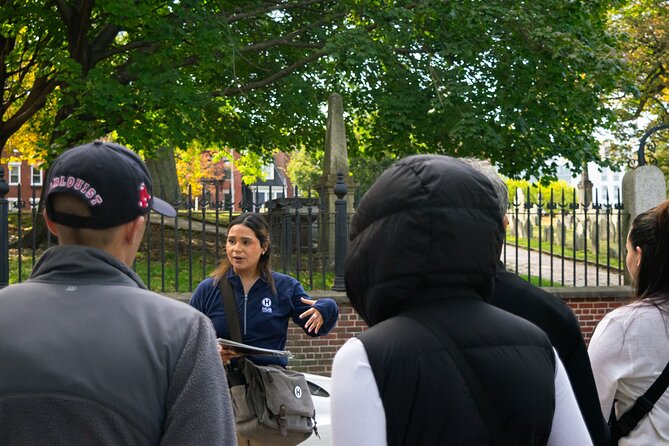
The African Meeting House is the anchor for the tour’s religious and community side. Built in 1806, it is described as the oldest extant black church building in the United States. You also get admission included here.
This is the stop where the tone often feels calmer but heavier. A church can be a place of worship and a place of organizing, and this building carried both functions for the local African-American community. It is also where cultural life and political life blended in everyday ways.
You do not need to be religious to appreciate what it represents. It is a physical record of a community that built institutions even while facing exclusion. The included time inside helps you slow down and take the setting in rather than rushing past it on the sidewalk.
Finishing by the Robert Gould Shaw Memorial and the 54th
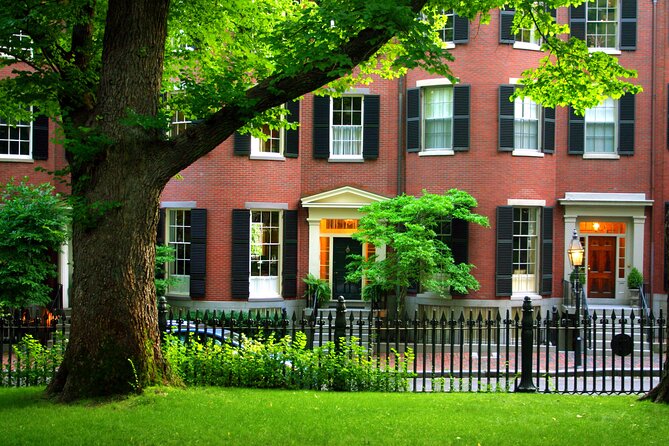
The final stretch brings you back to public symbols and the Civil War’s human consequences. The tour includes a look at the Massachusetts State Capitol, described as the Hub of the Solar System, with the year 1798 attached to the site.
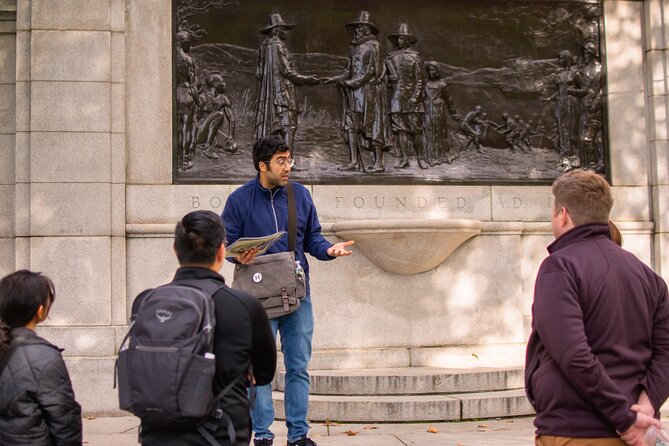
You then end beside the Robert Gould Shaw and the 54th Regiment Memorial, across the street from 24 Beacon Street. This is a strong landing point because it ties the earlier abolition groundwork to actual Civil War action by Black soldiers and the people who supported them.
By the end, you are not just looking at a memorial. You are seeing how the argument moved from neighborhoods and churches into national events. You also finish close to the Massachusetts State House, within walking range back toward your starting area.
Price, Pacing, and How to Plan Your Morning
This costs $35 per person for a tour that runs about 2.5 hours. For Beacon Hill, that is good value because you are paying for a guide who connects many layers, and you are not stuck with a long bus ride or a big crowd.
The tour does require stamina. Plan for hills, uneven surfaces, and frequent standing. Most stops are short, but the total time adds up.
My practical advice:
- Wear shoes with solid grip. Beacon Hill cobblestones can be unforgiving.
- Bring water, especially if you visit on a warm day.
- Expect the pace to be active but structured, with time for questions at stops.
One more small tip based on what I have heard about this experience: the tour can run a little over when there is a lot of story to cover and people keep asking questions. So if you have a tight schedule right after, leave a buffer.
Should You Book This Beacon Hill Underground Railroad Tour?
Book it if you want Boston history that is tied to real addresses and real people. The Underground Railroad safe house stop at 66 Phillips St, the African Meeting House visit, and the way the guide connects abolition to school integration and public political conflict make it more than a casual walk.
Skip it or consider an alternative if long standing and uphill walking will be a problem for you. This is not a sit-down history lecture, and Beacon Hill is not flat.
If you like tours that feel like a story with a map, this one fits. Guides such as Dana, Will, Meghan, Lin, Joe, and Drew are repeatedly singled out for enthusiasm and clear organization, and that matters because the subject is intense. You want a guide who can keep it focused without rushing past the hard parts.
FAQ
How long is the Beacon Hill Underground Railroad History Tour?
The tour is about 2 hours 30 minutes.
How much does it cost?
It is $35.00 per person.
Is this a small-group tour?
Yes. The maximum group size is 16 travelers.
Where does the tour start and where does it end?
It starts at Soldiers and Sailors Monument at 139 Tremont Street near Boston Common and ends at the Robert Gould Shaw and the 54th Regiment Memorial by 26 Beacon Street, opposite the Massachusetts State House.
Is the African Meeting House admission included?
Yes. Admission for the African Meeting House is included in the tour.
What should I wear or bring?
Wear comfortable shoes for walking on uneven surfaces and hills. Bringing water is a good idea since you will be on your feet for much of the tour.
What if weather is bad or the minimum number of travelers is not met?
The experience requires good weather. If it is canceled due to poor weather, you will be offered a different date or a full refund. If it is canceled because the minimum number of travelers is not met, you will be offered a different date or a full refund.
Written up lately around the harbor
- Boston’s Beacon Hill: Private Walking Tour
★ 5.0 · 1 review - Boston’s Chinatown: Small Group Walking Tour
★ 5.0 · 1 review - Self-Guided Scavenger Hunt: Boston Back Bay & Beyond
★ 4.0 · 1 review - Flynn Cruise Port Boston to Boston hotels – Arrival Private Transfer
★ 5.0 · 1 review - Boston to Woods Hole & Martha’s Vineyard Ferry Private Chauffeur Service
★ 4.0 · 1 review - Classic Martha’s Vineyard 1-Day Escape from Boston
★ 5.0 · 1 review - Private Vacation Photoshoot with Photographer in Boston
★ 5.0 · 1 review
Beacon Hill Tours, compared.
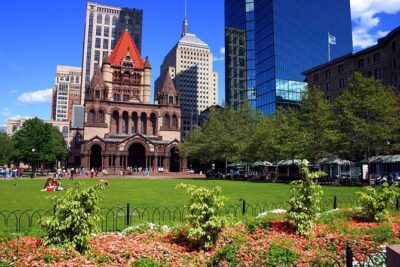
Downtown Freedom Trail, Beacon Hill & Back Bay Walking Tour
Read our review →
2-Hour Beacon Hill True Crime Expert Guided Tour
Read our review →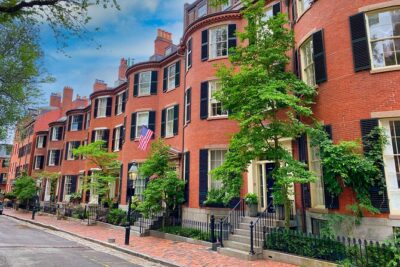
Beacon Hill Boston History + Photo Walking Tour (SMALL Group)
Read our review →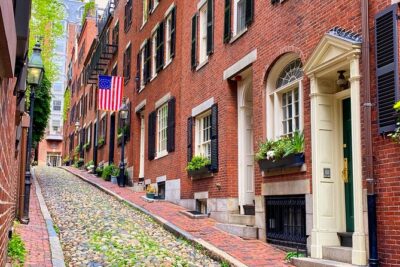
Beacon Hill + Back Bay History + Photo Walking Tour(SMALL Group)
Read our review →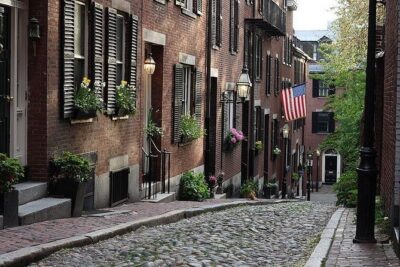
Underground Railroad History Tour of Beacon Hill
Read our review →
Self-Guided Boston’s Beacon Hill Underground Railroad Audio Tour Walking Tour
Read our review →
Browse the lists this tour appears in