
Reviewed · WORKSHOPS
Japanese Sushi Making Class in Boston (Includes 4-Course Meal)
Cooking sushi in Japan is hard to copy. Cooking it in Boston, with a chef coaching you, is another story. This Japanese sushi making class in Boston is built around a clear skill path, so you move from snacks and soup to tempura and then to your own hand-rolled sushi. You also get a full meal, not just a demo.
I like the way the menu teaches texture and timing step by step. You start with edamame and seaweed snacks, then you make miso soup and crisp tempura, and finally you finish with crispy rice and rolled sushi. One real drawback: it is a 3 hour class, so if you want a lot of hands-on time with every step, you will have to listen closely and keep your pace up at the station.
In This Review
- Key highlights at a glance
- Why This Boston Sushi Class Works For Beginners and Date Nights
- Walking Into the Venue at 19 Kingston St (and What the Group Format Means)
- Four Courses, One Workflow: Edamame to Hand-Rolled Sushi
- Starter Skills: Edamame and Seaweed Snack Timing
- Miso Soup and Tempura: Getting the Batter and Heat Right
- Crispy Rice: Pan-Seared Crust Without Dryness
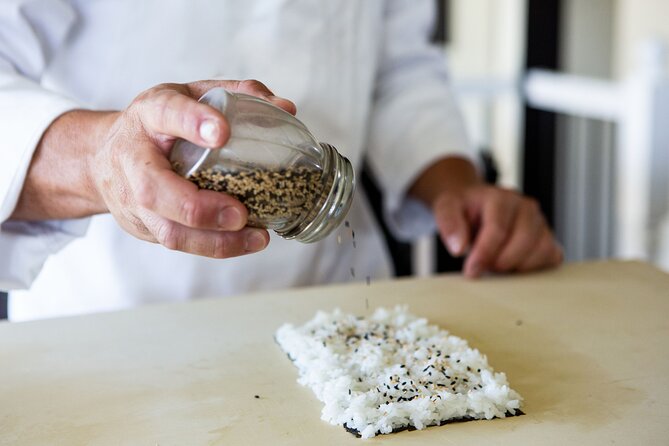
- Hand-Rolled Sushi: Seasoned Rice and Fillings
- Drinks, Portions, and the BYOB-Free Setup
- Price and Value: What $145 Buys in 3 Hours
- Who Should Book (and Who Might Want to Skip)
- Should You Book This Japanese Sushi Making Class in Boston?
- FAQ
- How long is the Japanese sushi making class in Boston?
- Where does the class meet in Boston?
- What dishes are included in the 4-course meal?
- Are drinks included? Can I bring my own alcohol?
- Can the class accommodate dietary needs?
- How big is the group for this class?
Key highlights at a glance
- 4-course meal included: edamame and seaweed snacks, miso soup and tempura, crispy rice, and hand-rolled sushi
- Skills you actually use at home: rolling technique, seasoned rice, and tempura batter control
- Focused timing for texture: crisp tempura and pan-seared crispy rice depend on heat and timing
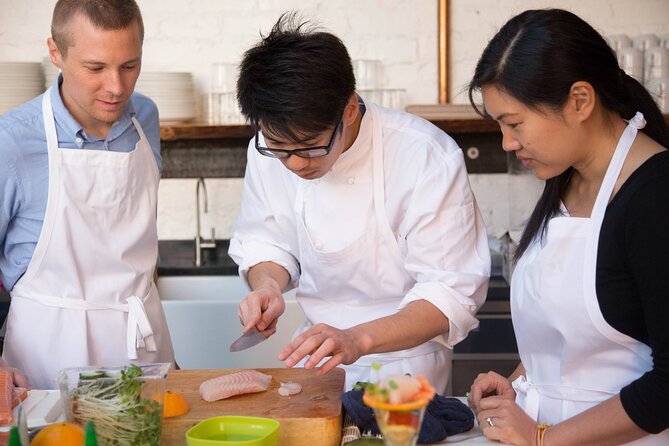
- Chef coaching throughout: guidance as you go, so you are not left guessing
- Non-alcoholic drinks included: BYOB-free, and outside drinks are not allowed
Why This Boston Sushi Class Works For Beginners and Date Nights
If you have ever wanted to make sushi, but felt like you needed a lifetime of practice, this class is built to lower that barrier. You learn the core moves in a practical order, so each course reinforces the next skill. By the time you roll, you already understand how rice should taste and how fillings behave.
I also like the social side without the chaos. It is small group cooking hosted through Cozymeal, yet it can handle larger gatherings up to 50 people, so you get a venue that can flex. For a date, it gives you something to do together besides just eating and chatting.
A few other harbor-city days to consider
- Sushi Making Class at a Local Distillery in Boston★ 5.0 · 22 reviews
- First Class Private Airport Transfer from Boston Logan★ 5.0 · 6 reviews
- Sushi Making Class at a Local Brewery in Boston★ 4.5 · 3 reviews
Walking Into the Venue at 19 Kingston St (and What the Group Format Means)
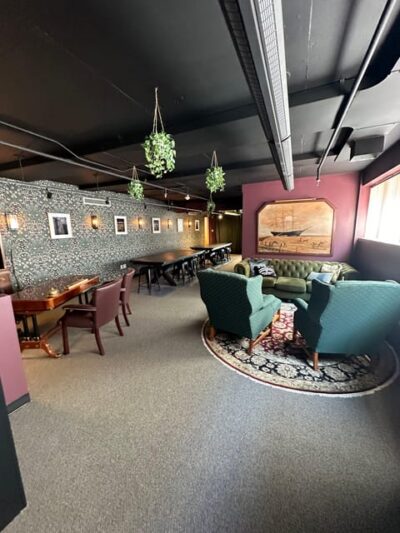
The class starts at 19 Kingston St, Boston, MA 02111 at 12:00 pm, and it runs about 3 hours. The format is designed around cooking stations, which matters because sushi making is hands-on work. You do not just watch. You work.
A key practical point: the group size can reach up to 50 travelers, even if it is described as small group. That does not automatically mean you will feel rushed, but it does mean you should expect some common class rhythm, with the chef guiding everyone through the same flow. If you are the type who learns best with lots of one-on-one attention, go in ready to ask questions when you can.
You will get a mobile ticket and the class is in English, which makes the instructions easy to follow. Service animals are allowed, so plan accordingly if you travel with one.
Four Courses, One Workflow: Edamame to Hand-Rolled Sushi
This experience is really one continuous lesson in Japanese comfort flavors and technique. You start with salty and crunchy, move to warm and savory, then to crisp and pan-seared, and finally to the assembled art of sushi. The menu is not random, it is a learning sequence.
Here is the workflow you can expect:
- Crunchy starter to practice basic prep and get your ingredients ready
- Warm miso soup and tempura to learn batter and frying fundamentals
- Crispy rice to understand how heat changes texture
- Hand-rolled sushi to bring it all together with seasoned rice and fresh fillings
If you like cooking because you want to understand cause and effect, this is a good match. Crispness, shine, and balance are not luck here. They come from technique.
Starter Skills: Edamame and Seaweed Snack Timing
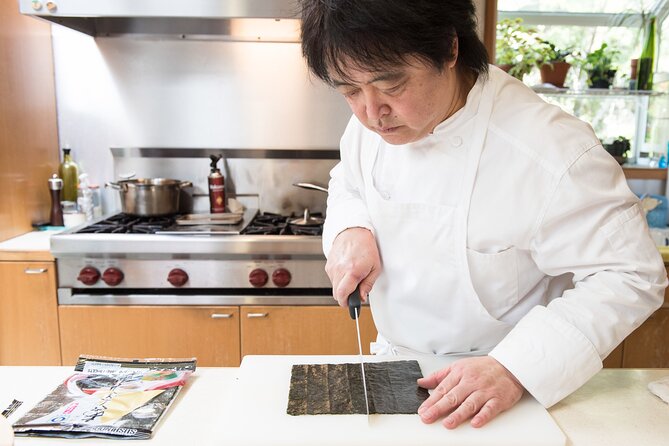
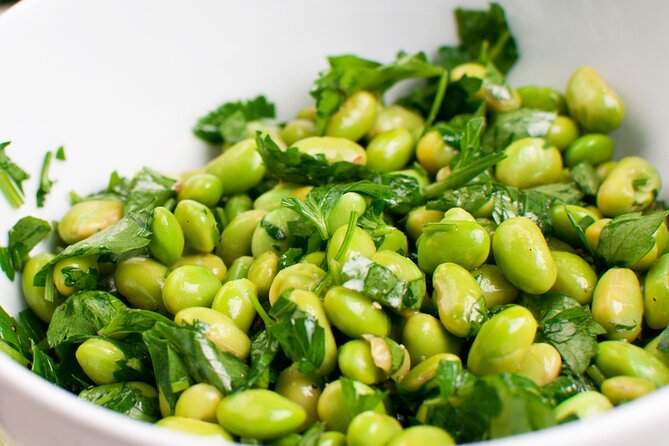
Your first course is edamame and savory seaweed snacks. This part sounds simple, but it is smart class design. Edamame is a low-stress way to start, because it introduces the idea of seasoning and contrast. Seaweed snacks bring that salty, umami punch that makes you pay attention right away.
What you will likely feel as you eat is the “comfort food” side of Japanese food. It is not heavy, it is focused, and it works as an opening flavor profile. It also helps you get comfortable with the kitchen before the more technique-heavy steps.
A practical consideration: if you are very sensitive to seaweed flavor, let the team know about your preferences in advance. The experience notes that dietary needs can be accommodated when you share them ahead of time, so you are not stuck guessing.
Miso Soup and Tempura: Getting the Batter and Heat Right
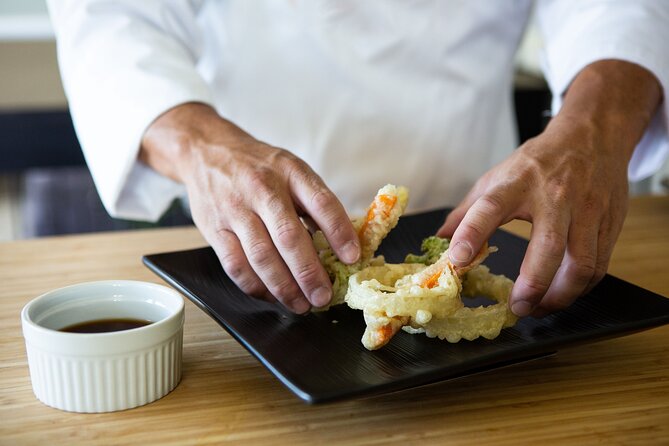
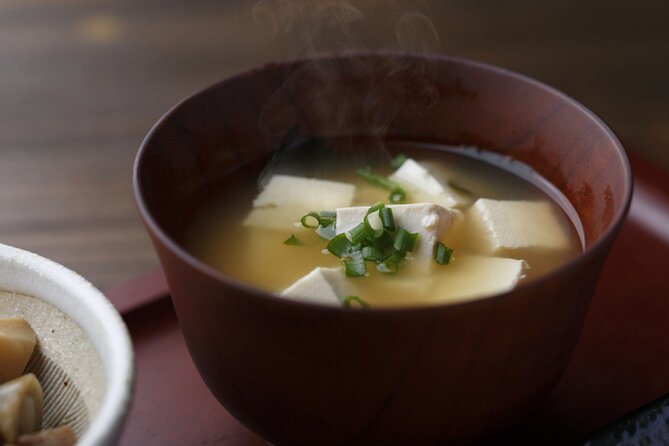
Next comes miso soup paired with tempura. This is the course where a lot of people realize sushi is only one piece of the meal. Tempura teaches you a different kind of precision than rolling rice.
Tempura depends on batter behavior and temperature. You are aiming for crispness, not heaviness. In class, you learn how to work with tempura batter and how to balance delicate Japanese flavors while keeping textures light.
Miso soup adds a warm anchor. Miso is forgiving compared to many sauces, but it still needs attention. The chef guidance here matters because soup flavor is all about balance, not just taste. You learn the idea that Japanese cuisine often aims for harmony, where soup, crunch, and richness do not fight each other.
If you are a beginner, this is one of the best parts to remember. Soup and tempura feel intimidating until someone shows you the method and what to look for visually.
Another way the same afternoon could go around Boston:




Crispy Rice: Pan-Seared Crust Without Dryness
Then you move to crispy rice, pan-seared to create a golden crust with a tender center. This step is more than a side dish in the class. It trains you to think about texture management.
Rice can go wrong fast if heat is too high or timing drifts. Crispness comes from the bottom layer and the surface, while you still want the inside to stay soft. That contrast is a big part of why this course feels satisfying.
In a class setting, crisp rice also acts like a bridge between earlier courses and sushi rolling. You practice working with rice flavors and texture so the final roll makes more sense. When you later handle seasoned rice for sushi, you already have a mental picture of what good rice texture should feel like.
Hand-Rolled Sushi: Seasoned Rice and Fillings
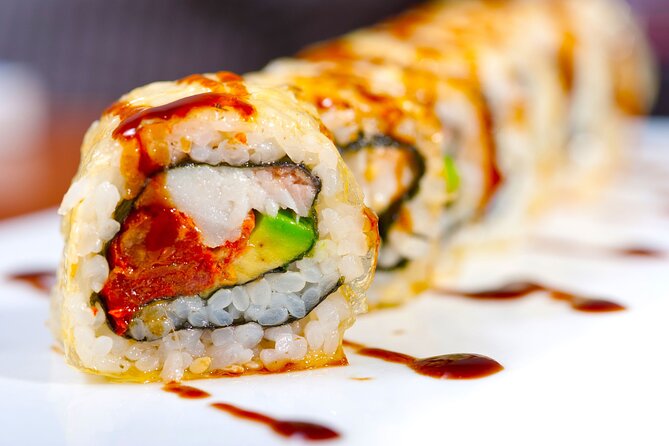
Finally, you get to hand-roll sushi. This is the main event, and it is also where everything you learned earlier pays off. The class focuses on seasoned rice and fresh fillings, guided by your chef so you can learn the technique instead of struggling through it blindly.
What makes hand-rolling worth doing is that it forces you to respect rice behavior. Too much rice makes rolls bulky. Too little makes them fall apart. You also learn how fillings should be portioned so you get flavor in every bite, not just in one edge.
You are also learning what sushi is beyond the roll itself. It is seasoning, temperature, and balance. The chef tips help you understand why seasoned rice matters and how fresh fillings change the final taste.
A fun practical outcome: when you leave with a skill you can repeat, sushi becomes something you do at home, not something you only order. This class is especially useful if you want a realistic way to keep your sushi habit without turning every meal into a special-occasion gamble.
Drinks, Portions, and the BYOB-Free Setup
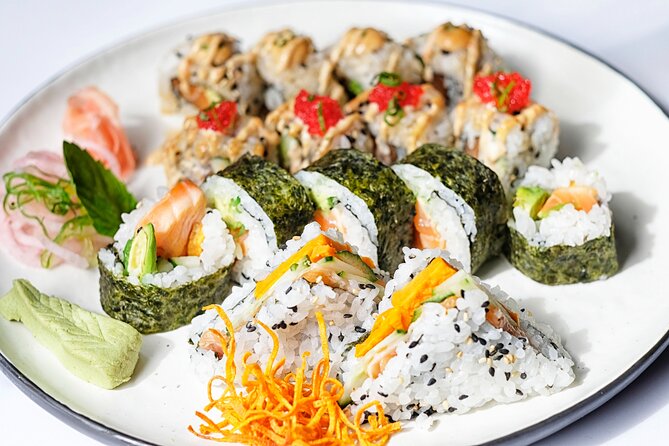
Non-alcoholic beverages are included, and it is a BYOB-free class. Outside drinks are not permitted, which keeps things simple and consistent for the room.
Food portions are tied to the four courses, so you will not walk away hungry. You are making and eating multiple items, and the meal is structured so each course flows into the next. That is part of the value: you pay for an experience plus an actual dinner you help prepare.
If you are used to restaurant sushi portions, you might be surprised by how filling a few courses can be, especially once you add tempura and crispy rice. I would plan a light snack before you go, then treat class dinner as your main meal.
Price and Value: What $145 Buys in 3 Hours
At $145 per person, this is not a budget cooking class, but it also is not trying to be. You are paying for chef instruction, ingredients, and a guided meal that ends with sushi you made yourself.
The best value argument here is clarity. The menu is a full, coherent lesson: starter, soup, tempura, crispy rice, and rolls. You are not just learning one technique in isolation. In sushi classes that feel half demo, you might leave with one roll and a vague idea of rice seasoning. Here, the flow is designed so you learn skills that connect.
Time matters too. With about 3 hours, you get enough duration to practice several steps without feeling like an all-day cooking project. It is a strong format if you want something hands-on while still seeing Boston.
One more value point: it is in English, and you get non-alcoholic drinks included. That reduces decision fatigue on your end, and it keeps the focus on cooking.
Who Should Book (and Who Might Want to Skip)
This class is ideal if:
- You want step-by-step sushi rolling coaching, especially if you have never tried it
- You want a meal experience, not a lecture
- You like Japanese comfort flavors like miso, seaweed, and crispy textures
- You travel as a couple and want a shared activity that does not require a lot of planning
It might be less ideal if:
- You are looking for an all-day, deeply custom workshop. This is about completing a structured sequence in a set time.
- You need very strict dietary handling, and you have not communicated it ahead of time. The experience says they can tailor to dietary needs when you let them know in advance, so communication is key.
- You dislike kitchens with a group feel. Even though it is a cooking class, it can host up to 50 people, so the energy is communal.
If you are a first-timer, I think you will feel confident faster than you expect, because the class starts with simpler steps and builds toward rolling.
Should You Book This Japanese Sushi Making Class in Boston?
Yes, I would book it if your goal is to learn real technique and leave with skills you can reuse. You get the full arc of Japanese comfort flavors, and you learn tempura and sushi rolling in the same sitting, which is a great way to understand the broader style of Japanese cooking.
Skip it only if you want a totally customized menu, private chef attention, or a longer cooking session that goes beyond the standard sequence. Otherwise, this is a smart pick for a rainy-day plan in Boston, a fun date activity, or a hands-on way to understand sushi beyond just eating it.
FAQ
How long is the Japanese sushi making class in Boston?
It runs for about 3 hours.
Where does the class meet in Boston?
The meeting point is 19 Kingston St, Boston, MA 02111.
What dishes are included in the 4-course meal?
You’ll prepare and enjoy edamame and seaweed snacks, miso soup with tempura, crispy pan-seared rice, and hand-rolled sushi.
Are drinks included? Can I bring my own alcohol?
Non-alcoholic beverages are included, and outside drinks are not permitted.
Can the class accommodate dietary needs?
Yes. The experience is designed to accommodate a variety of dietary needs, but you should let them know in advance.
How big is the group for this class?
The experience has a maximum of 50 travelers.
Written up lately around the harbor
- Boston’s Beacon Hill: Private Walking Tour
★ 5.0 · 1 review - Boston’s Chinatown: Small Group Walking Tour
★ 5.0 · 1 review - Self-Guided Scavenger Hunt: Boston Back Bay & Beyond
★ 4.0 · 1 review - Flynn Cruise Port Boston to Boston hotels – Arrival Private Transfer
★ 5.0 · 1 review - Boston to Woods Hole & Martha’s Vineyard Ferry Private Chauffeur Service
★ 4.0 · 1 review - Classic Martha’s Vineyard 1-Day Escape from Boston
★ 5.0 · 1 review - Private Vacation Photoshoot with Photographer in Boston
★ 5.0 · 1 review
Workshops, compared.
Sushi Making Class at a Local Distillery in Boston
Read our review →
First Class Private Airport Transfer from Boston Logan
Read our review →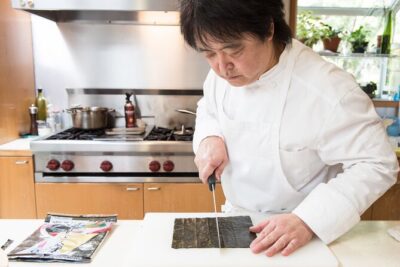
Browse the lists this tour appears in