
Reviewed · WORKSHOPS
Sushi Making Class at a Local Distillery in Boston
Sushi at a distillery sounds odd, then works. I love how this class turns into real practice fast, with hands-on instruction from Chef Harold, and I like that you can sip craft spirits while you roll. You also start with a warm, comforting bowl of miso soup, so you get the cozy food vibe right away at 71 Kelvin St in Everett.
One consideration: drinks are not included, and the bar sells cocktails and other pours from $3 to $20, so your night can cost more than $75 if you add a lot of alcohol.
In This Review
- Key things to know before you go
- Sushi Making at Short Path Distillery, Boston: The Real Hook
- What You’ll Cook: Miso Soup, Shrimp Tempura Hand Roll, and More
- The Teaching Style That Helps You Actually Improve
- Uramaki and Temaki: Two Skills With Different Payoffs
- The Social Side: Why This Feels More Like a Food Night Out
- Drinks, Timing, and Getting There Without Stress
- Price and Value: What $75 Really Buys You
- Who This Suits Best, Based on the Way the Class Works
- Small Details That Make a Big Difference
- Should You Book This Boston Sushi Class?
- FAQ
- What is the price for the sushi making class in Boston?
- How long is the sushi making class?
- Where do I meet the group for the class?
- What time does the class start?
- What food will I make and eat during the class?
- Are drinks included in the $75 price?
- Can dietary needs be accommodated?
Key things to know before you go
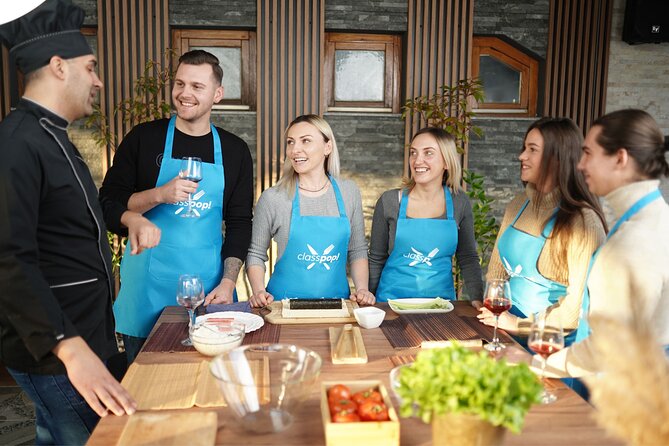
- Chef Harold’s friendly, clear teaching helps both total beginners and experienced cooks
- Miso soup + two roll styles means you learn more than just one trick
- Eat what you make right after class, so your efforts turn into dinner
- Uramaki (inside-out) and temaki (hand rolls) give you two practical at-home formats
- Small group feel (max 25) makes it easier to get personal attention
- Spirits are available at the bar, but you pay for them separately
Sushi Making at Short Path Distillery, Boston: The Real Hook
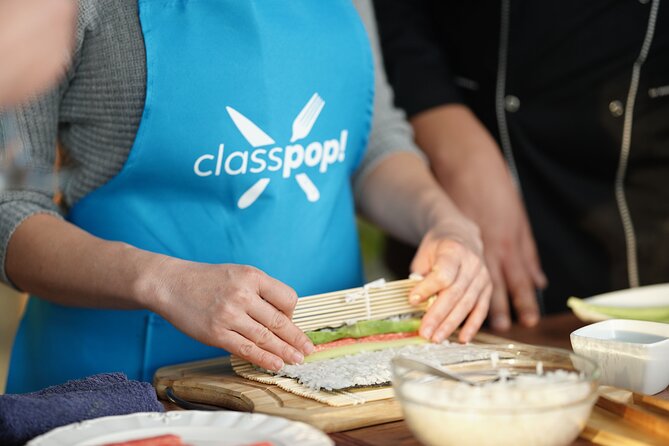
There is something satisfying about learning sushi in a place that is not trying to be a sushi restaurant. At Short Path Distillery, the room feels casual and social, like you are hanging out with food people rather than studying with a strict chef. The result is that you actually keep moving, tasting, and adjusting instead of getting stuck.
The structure matters. You get guided steps for sushi rice, you learn two classic formats (uramaki and temaki), and you start with miso soup so you are not cold-starting dinner from scratch. Even if you have never made sushi before, the pace is built to bring you along, and the vibe is light.
Chef Harold is the core of the experience. He brings a fun, upbeat energy and also a careful approach to sushi making. In plain terms, he does both: he makes it enjoyable and makes it make sense.
A few other harbor-city days to consider
- First Class Private Airport Transfer from Boston Logan★ 5.0 · 6 reviews
- Sushi Making Class at a Local Brewery in Boston★ 4.5 · 3 reviews
- Japanese Sushi Making Class in Boston (Includes 4-Course Meal)★ 5.0 · 2 reviews
What You’ll Cook: Miso Soup, Shrimp Tempura Hand Roll, and More
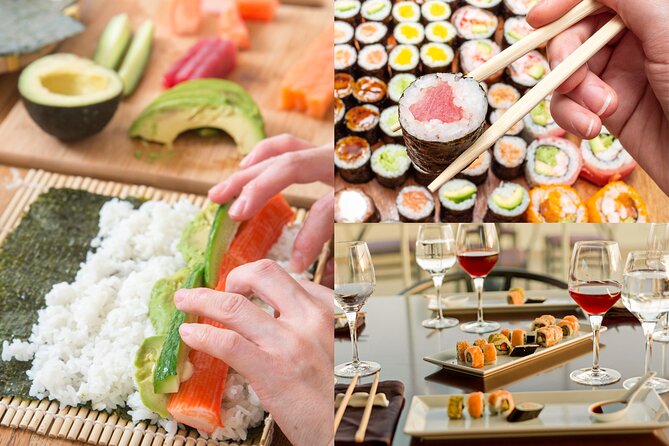
The class meal is not an afterthought. It is the point. You will prepare a bowl of miso soup first, then move into hands-on sushi building and end up eating multiple rolls you made yourself.
Here is what typically shows up in your session:
- Starter: Miso Soup with miso paste, dashi, and wakame seaweed
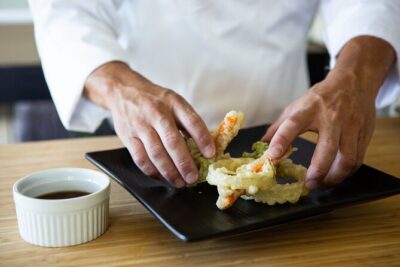
- Main options: a shrimp tempura hand roll and a sweet potato hand roll
- Plus: a spicy tuna roll
You are learning skills that match how sushi is actually eaten at home. Hand rolls are forgiving, since you are shaping and rolling a cone right in your hands. Inside-out rolls (uramaki) teach a different set of habits, like working with the rice so it sticks the right way and does not turn into a clumpy mess.
The menu also helps you get variety without getting overwhelmed. You get a warm, savory start, then you move into different textures: crunchy tempura, soft sweet potato, and the punch of spicy tuna. It makes the class feel like dinner, not a cooking demo.
Diet note, without guesswork: the class is designed to accommodate a variety of dietary needs, as long as you let the team know in advance. If you have restrictions, this is one of those experiences where doing the legwork upfront is worth it.
The Teaching Style That Helps You Actually Improve
I like classes where the instructor treats beginners like beginners, not like they should already know the basics. Chef Harold’s approach is exactly that. He explains the process in a way that feels doable, and he keeps the atmosphere relaxed so you feel comfortable making mistakes and fixing them.
One of the most practical parts is that he does not just show you how to roll. He gives tips and chef secrets you can use later. That matters because sushi is a technique sport. Rice texture, seasoning balance, and how you handle nori all change the final bite.
If you are the kind of person who wants to do more than one skill, you will appreciate the way the class combines learning with repeat practice. You are not only forming rolls, you are understanding the fundamentals of sushi rice and learning two specific styles that you can recreate at home.
Also, the attention level is part of the value. The experience includes plenty of attention from the professional chef teacher, and the group size cap helps that. If you like hands-on guidance, this setting is designed for it.
Uramaki and Temaki: Two Skills With Different Payoffs
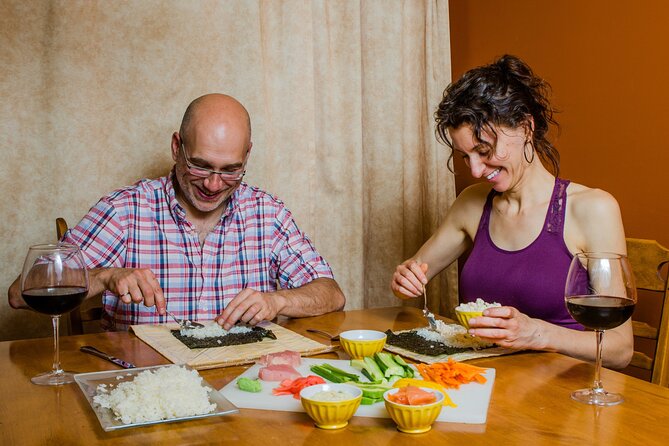
Learning both uramaki and temaki is a smart choice for your long-term skills. They look different, and the handling challenges differ.
Uramaki (inside-out rolls) usually demand more focus on rice behavior. You want the rice to stay where it should, and you want the roll to hold together without going sloppy. Once you get the hang of it, you can make at-home rolls that feel restaurant-level without needing fancy molds.
Temaki (hand rolls) are a great confidence builder. You form the roll in a way that lets you control the shape with your hands, and they are usually easier to assemble than a tight maki roll. You get instant feedback while you build, and that makes it easier to learn quickly.
What I like about having both in one class is that you get variety right away. If one style clicks faster than the other, you still finish with multiple successful rolls. And if you are learning from zero, you walk out with at least one format that you can do confidently for friends.
The Social Side: Why This Feels More Like a Food Night Out
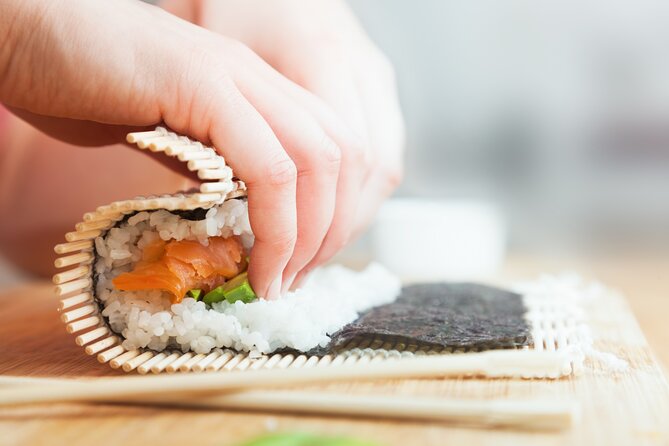
This is not a silent, sit-and-watch class. The point is to socialize while you cook, and the distillery setting makes it feel like an event. You are working alongside classmates, comparing how you wrapped your nori, and celebrating when a roll holds together.
That social piece is not fluff. When you are learning something fiddly like sushi rice, seeing how others handle the same steps can reduce frustration. It also makes the night smoother, because the energy stays positive even if you are still figuring things out.
If you are going as a pair, it can work well. The vibe reads as date-night friendly, and the group setup still gives you room to interact with the instructor. It is also easy to imagine coming with friends who love food, since everyone gets to eat what they made and talk about what worked.
Another way the same afternoon could go around Boston:




Drinks, Timing, and Getting There Without Stress
The experience starts at 7:00 pm and ends back at the meeting point. You will start at Short Path Distillery, 71 Kelvin St, Everett, MA 02149. The duration is about 2 hours, so it is a focused evening, not a full-day commitment.
Because the class is at a distillery, drinks are part of the atmosphere, but not part of the price. Drinks are available for purchase at the bar, with prices listed from $3 to $20. If you want the craft spirits experience, plan for it financially and pace yourself so you stay comfortable working with rice and nori.
On the logistics side, there is near public transportation. You also get a mobile ticket, and confirmation is sent within 48 hours based on availability.
And one practical heads-up from the experience rules: good weather is required. If weather is poor, you will be offered a different date or a full refund.
Price and Value: What $75 Really Buys You
At $75 per person, you are paying for more than ingredients. You are paying for coached technique, a full meal you cook, and a professional chef teacher who supports you through steps like sushi rice and roll assembly.
Here is what the price includes:
- a fun, hands-on 2-hour cooking class
- all ingredients and cooking tools
- expert instruction and tips
- a full meal you cooked yourself
That last part is the sneaky value driver. Many classes leave you hungry or only give you a small tasting. Here, the food you make becomes dinner, so the cost compares more favorably to eating out, especially if you would otherwise pay for sushi and a class separately.
If you compare it to a typical restaurant night, you also get more personal skill practice. You will not just eat sushi. You will learn how to make uramaki and temaki and start building your own process at home.
The only clear extra cost is drinks. Since the bar is available for purchase, you control how much you add. If you keep it to water or one drink, your spending stays predictable.
Who This Suits Best, Based on the Way the Class Works
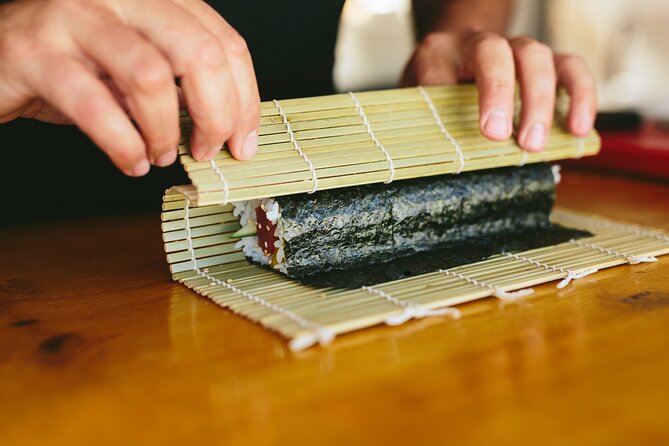
This class is built for mixed skill levels. It is designed to be enjoyed by both beginners and expert cooks, which is great if you are going with someone who knows sushi already but you are new to it. The instructor can still teach fundamentals, and experienced cooks can focus on technique and small refinements.
It is also a solid choice if you want a guided social activity in Boston that does not require you to plan a whole itinerary. You arrive, you cook, you learn, and you eat.
Here are people who tend to enjoy this most:
- beginners who want real steps and clear explanations
- couples looking for a food-focused date night
- small friend groups who love hands-on activities
- anyone who wants recipes and tips to make sushi at home
If you have dietary needs, you should plan ahead. The experience says it can tailor to different restrictions if you let them know in advance, so do that early instead of hoping it works out day-of.
Small Details That Make a Big Difference
A class like this rewards preparation. Wear something you can comfortably move in. Sushi rice can be sticky, and you will be working with nori and fillings. Comfortable clothes make it easier to focus on learning.
Also, go in with a friendly attitude. Sushi making has a learning curve. Chef Harold’s teaching style is designed to keep you from feeling judged, and the group pace makes it easier to stay calm while you get your hands used to the process.
Finally, if you care about making it at home, pay attention to the tips that are meant to be repeatable. You are not just learning what to do once. You are building habits you can reuse the next time you want homemade sushi.
Should You Book This Boston Sushi Class?
If you want a fun, hands-on cooking class where you actually get to eat what you make, this is a strong pick. The price feels fair for what you get: professional instruction, all tools and ingredients included, and a full meal you cook yourself.
I would book it if:
- you want guided sushi rice basics and two formats (uramaki and temaki)
- you like a social, relaxed environment
- you are curious about sushi but do not want a complicated, intimidating setup
I would think twice if:
- you want the drinks included in the price, because bar purchases are extra
- you hate weather-dependent plans, since the experience requires good weather
FAQ
What is the price for the sushi making class in Boston?
The class costs $75.00 per person.
How long is the sushi making class?
It runs for about 2 hours.
Where do I meet the group for the class?
The start location is Short Path Distillery, 71 Kelvin St, Everett, MA 02149, USA.
What time does the class start?
The start time is 7:00 pm.
What food will I make and eat during the class?
You will make a bowl of miso soup, then you will learn sushi making including sushi rice and two styles: uramaki (inside-out rolls) and temaki (hand rolls). The sample menu includes a shrimp tempura hand roll, a sweet potato hand roll, and a spicy tuna roll.
Are drinks included in the $75 price?
Drinks are not included. Drinks are available for purchase at the venue bar, with prices ranging from $3 to $20.
Can dietary needs be accommodated?
The experience is designed to accommodate a variety of dietary needs. You should let them know in advance so they can tailor the experience as best they can.
Written up lately around the harbor
- Boston’s Beacon Hill: Private Walking Tour
★ 5.0 · 1 review - Boston’s Chinatown: Small Group Walking Tour
★ 5.0 · 1 review - Self-Guided Scavenger Hunt: Boston Back Bay & Beyond
★ 4.0 · 1 review - Flynn Cruise Port Boston to Boston hotels – Arrival Private Transfer
★ 5.0 · 1 review - Boston to Woods Hole & Martha’s Vineyard Ferry Private Chauffeur Service
★ 4.0 · 1 review - Classic Martha’s Vineyard 1-Day Escape from Boston
★ 5.0 · 1 review - Private Vacation Photoshoot with Photographer in Boston
★ 5.0 · 1 review
Workshops, compared.

First Class Private Airport Transfer from Boston Logan
Read our review →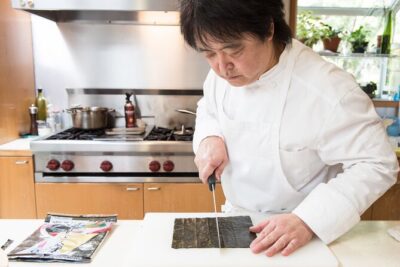
Japanese Sushi Making Class in Boston (Includes 4-Course Meal)
Read our review →Browse the lists this tour appears in