
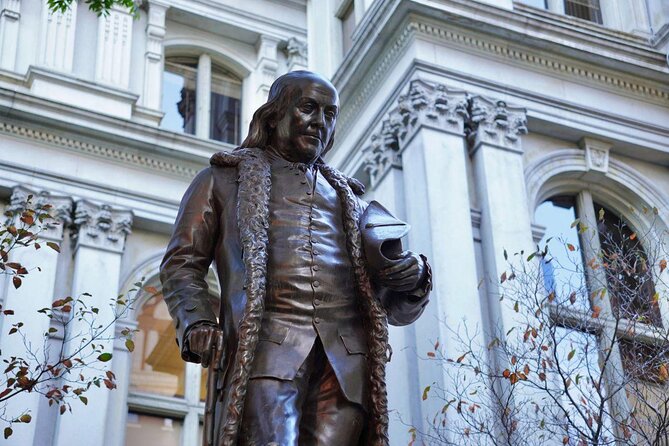
Reviewed · FREEDOM TRAIL TOURS
Boston History and Freedom Trail Private Walking Tour
Boston’s Revolution feels real when you walk it. This private, small-group Freedom Trail tour strings together the big moments from colonial Boston to the American Revolution, with just enough city context to make the story stick. I like that it is flexible enough to match your interests, but structured enough that you still leave with a clear sense of where things happened and why they mattered.
Two things I really like: you get personal guide time (not a churn of nonstop chatter), and the route hits the high-impact stops like Granary Burying Ground, Old North Church, and the Boston Tea Party area, plus the views from the Massachusetts State House. The one drawback to plan around is that not every listed location is guaranteed, so the experience is still guide-led and time-sensitive, not a checklist you can bank on.
In This Review
- Key things to know before you go
- Why a private Freedom Trail walk feels different (and better)
- Starting at 191 Atlantic Ave, then easing into downtown
- Beacon Hill red-brick streets and Granary Burying Ground
- North End focus: Paul Revere’s home and Old North Church
- Faneuil Hall, speeches, markets, and what power looked like
- Boston Massacre and Old State House: where the story tightens
- Tea Party night and the Massachusetts State House dome views
- The bookstore stop and finishing near Boston Public Garden
- Price and value: $245 per group up to 12
- The guide experience: what great guiding looks like here
- Who should book this Freedom Trail private tour
- Should you book it?
- FAQ
- How long is the Boston History and Freedom Trail private walking tour?
- Where does the tour start and end?
- How many people are in the group?
- Is there a mobile ticket?
- Are all listed locations guaranteed stops?
- What is the cancellation policy?
Key things to know before you go
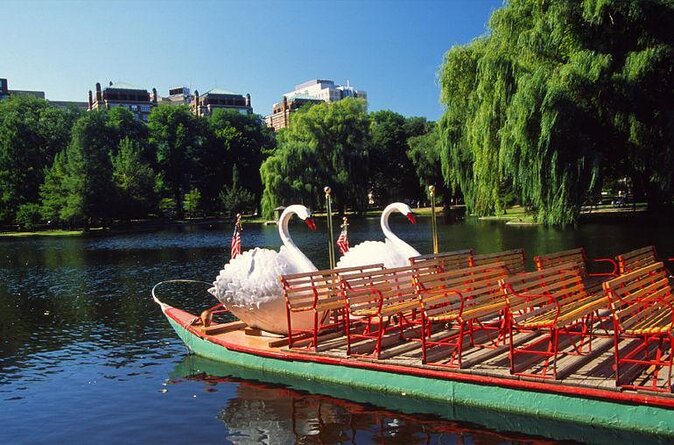
- Private small group (up to 12): easier conversations, fewer crowd bottlenecks.
- Freedom Trail focus with Revolution anchors: Boston Massacre, Boston Tea Party, and Battle of Bunker Hill coverage are included.
- Smart downtown timing: you start at 1:00 pm and build toward scenic stops, then finish at Boston Public Garden.
- Photo-friendly highlights: Old North Church, the State House dome, and classic downtown architecture.
- Mobile ticket: fewer paper hassles, especially on a busy downtown day.
- Double-check your meeting address: one guest reported an app mismatch that they had to sort out.
Why a private Freedom Trail walk feels different (and better)
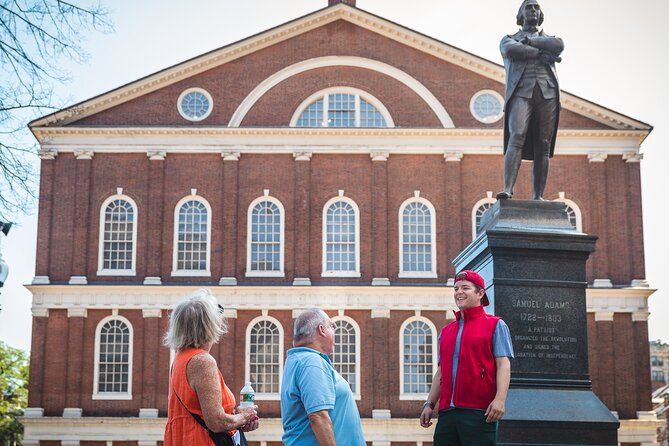
If you have ever tried to do the Freedom Trail solo, you know the problem. You see markers and buildings, but you miss the why. This tour solves that with a local guide who connects the dots between neighborhoods and the events that played out there.
For me, the big advantage is the format. This is a private tour for your group, with a maximum of 12 people, so the pace is usually comfortable and you can ask follow-up questions. I also like how guides can adjust as you go. Past groups specifically praised guides like Alan, Allison, Lexie, Molly Mitchell, Trey Petrella, Dillion, and Michael for being personable and tuning the walk to what people found most interesting.
The other win is that it is not just “war stories.” You also get city life context, like where people ate, shopped, and argued. That helps Boston feel less like a museum and more like a real place where decisions were made.
More ways along the Freedom Trail:
- Boston: Freedom Trail History Small Group Walking Tour★ 5.0 · 6,450 reviews
- Boston Freedom Trail Walking Tour with Costumed Guide★ 4.5 · 2,531 reviews
- Boston Food & History: Pizza, North End & Freedom Trail★ 5.0 · 1,772 reviews
Starting at 191 Atlantic Ave, then easing into downtown
The tour starts at 191 Atlantic Ave in downtown Boston, and the itinerary is arranged so you can get going quickly. You also end in the city, near Boston Public Garden, which is a great finish because the area feels calmer than the densest parts of Downtown.
Duration is listed as 2 to 4 hours, which matters more than it sounds. With a walk of this length, you want time for stories and questions, not just step-by-step monument hopping. Past groups also described the two-hour timeframe as a sweet spot, with a pace that does not feel rushed.
One practical note: because this is a walking tour through busy streets, wear comfortable shoes. You will be on foot long enough that good footwear becomes part of the quality of the experience.
Beacon Hill red-brick streets and Granary Burying Ground
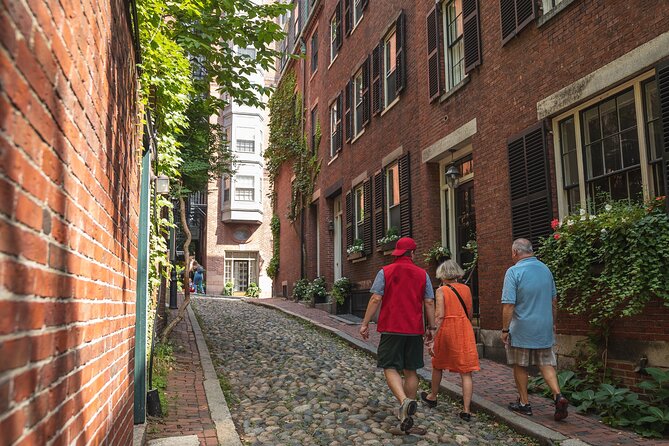
Your first big neighborhood block leans into that classic Boston look: red-brick roads and the kind of streets that photograph beautifully and also teach you something. Beacon Hill is compact, walkable, and full of layers, so it is a smart place to start if you want the city’s look to start matching the story early.
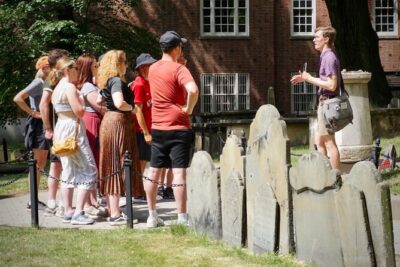
Then comes Granary Burying Ground, originally part of Boston Common, dating back to 1660. This is one of those stops where the history is not abstract. You are literally standing near the final resting spots of famous Revolutionary figures, including John Hancock, Paul Revere, and Sam Adams.
The good part of this stop is the emotional clarity. When the guide ties these names to the political drama of the Revolution, the people stop being textbook names. It also helps that the listed admission time is short, about 10 minutes, so you get impact without losing too much tour time.
The only watch-out here is timing. Because this tour moves through multiple historic sites, you want to stay mentally ready for quick transitions. If you like to linger at cemeteries and architecture, plan to do that after the tour in your own time.
North End focus: Paul Revere’s home and Old North Church
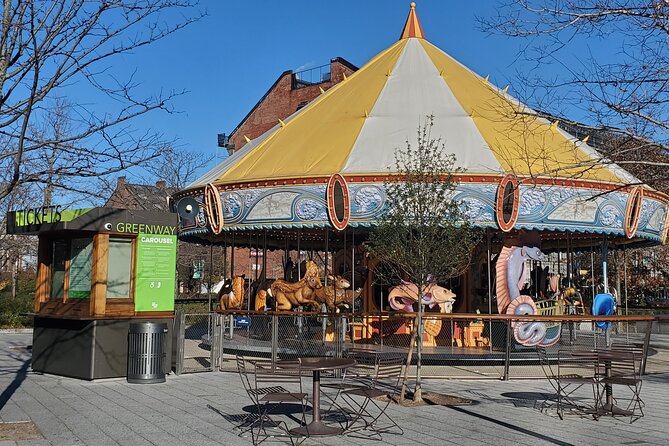
Next you shift to the North End, the neighborhood where Boston’s colonial past meets everyday life. This is also where the tour adds a very Boston flavor component: Italian eateries, local cafes, and locally roasted Beantown coffee are part of the experience atmosphere in this area.
The two anchor points here are Paul Revere’s home and Old North Church.
Old North Church is listed as:
- built in 1723
- the oldest standing church building in Boston
- a key part of the colonial-era period leading into the Revolution
Why this works on foot is simple. When you learn what the church represented at a turning point, you stop seeing it as a pretty old building. It becomes a communication site in the story, and that adds a sharp mental image you will remember.
This portion is also a nice change of pace from downtown formality. The North End feels more human-scale, with enough going on around you that it is easy to connect history to real neighborhoods.
Faneuil Hall, speeches, markets, and what power looked like
From there you get into some of Boston’s most “public life” landmarks. One of the described stops is a building originally built as a public market house and assembly room. Over time, it became known for significant speeches and, more recently, for shops and food stands.
This stop is valuable because it shows how politics worked when Boston was growing. You get the sense that the city did not just hold meetings in secret rooms. It argued in public, near commerce, near daily routine.
If you are the type who likes history that explains how ordinary people lived and participated, this is one of the best parts of the walk. The guide can point out details that make the building feel like a stage, not just a backdrop.
Just keep expectations realistic: some locations along the Freedom Trail can be partially busy depending on the day, and the tour notes that not every listed stop is guaranteed. That is normal for walking tours. The key is that the guide should still hit the main story beats.
More of Boston crossed at walking pace:

Boston Massacre and Old State House: where the story tightens
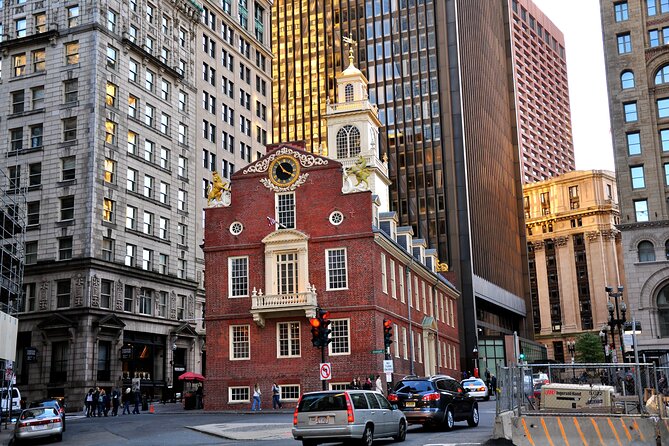
Now you enter the era where tension turns into visible conflict. The tour includes the Boston Massacre and focuses on Old State House as an iconic, older public building.
Old State House is described as:
- an iconic building you should not miss
- one of the oldest public buildings in the country
This is a strong stop for first-timers because it is both specific and explainable. The guide can translate what happened, why it escalated, and why the location matters. If you have ever wondered why one side got momentum, this is where you start seeing the mechanics.
A drawback to consider, though: this stop is very central and urban. It is not quiet, so you should expect some street noise. The payoff is that you are seeing the exact urban setting where events unfolded.
Tea Party night and the Massachusetts State House dome views
The Boston Tea Party section is built around a key detail: the story began during one night in 1773 in what is described as a church and, at the time, the largest building in the city. That framing helps you understand how huge, organized action could emerge from a community space.
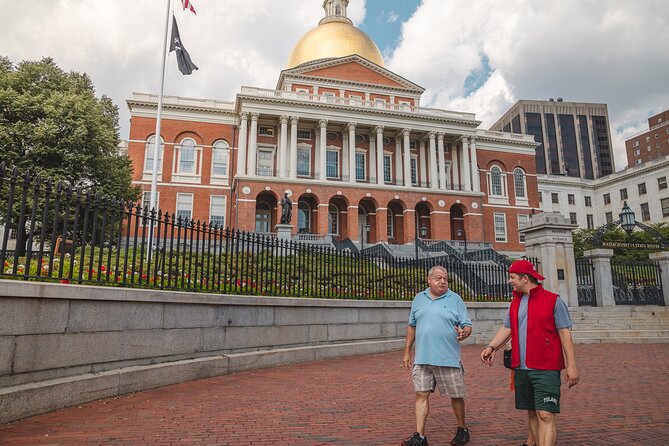
The tour then moves to the Massachusetts State House, where you get one of the most satisfying visual moments of the entire walk: the glittering dome. It is credited to federalist architect Charles Bulfinch, with construction dated to 1798.
From the outside, you also get city views, including:
- modern Downtown and the Financial District
- and the John Hancock Tower, described as the tallest building in New England
This part matters because Boston’s Revolution story is not trapped in the past. You are literally looking at the modern skyline from the same city that argued about taxation and rights. It helps your brain stitch timelines together instead of treating history like a separate world.
Also, this stop tends to work well even if you only have limited time. Dome views plus a short story run are efficient.
The bookstore stop and finishing near Boston Public Garden
As you continue, the tour passes the site of the first bookstore in Boston, tied to publishers connected to writers like Thoreau, Hawthorne, and Longfellow. It also connects to the famous story linked to the Midnight Ride of Paul Revere.
Then you move toward the Seaport area energy. The tour includes time where you can take in the Seaport District art and food scene. In past experiences, groups have highlighted that the walk included areas near Long Wharf and that the guide incorporated local atmosphere without turning it into a detour.
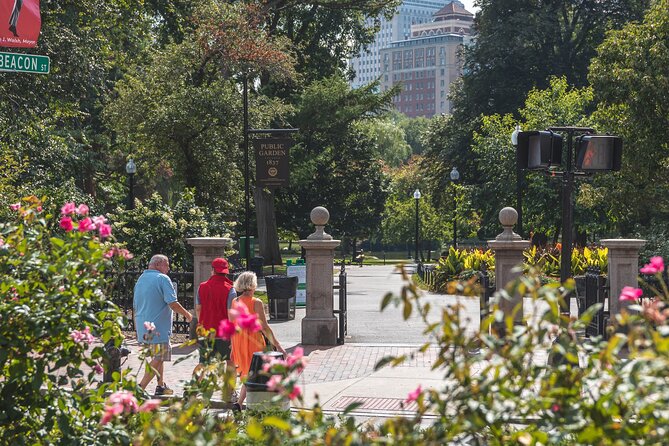
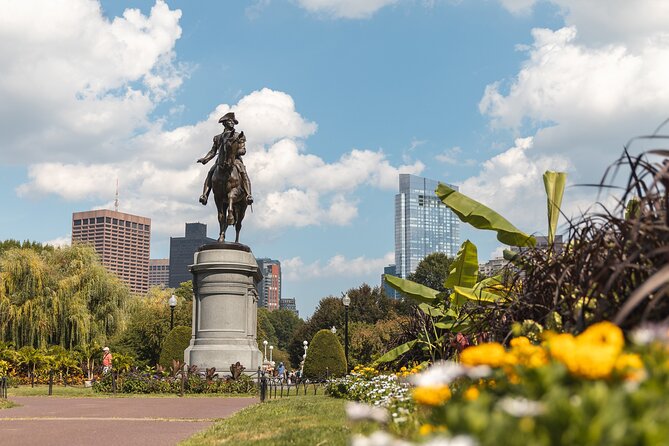
Finally, the tour ends at Boston Public Garden. That finish is a smart choice because it gives you an easy “reset” zone. You can grab a snack, take photos, or just enjoy a calmer stretch after the busy downtown core.
One possible pacing consideration: because the itinerary spans multiple major areas, the guide has to keep the flow moving. If you want extra time at every single site, consider doing a second pass on your favorite stop after the tour.
Price and value: $245 per group up to 12
At $245 per group (up to 12 people), this tour can feel expensive at first glance if you are thinking like a solo traveler. But the value math changes quickly if you are traveling with a small group, a couple of friends, or even a family where one guide can keep everyone engaged.
Here is what you are paying for:
- a private guide who can answer your questions directly
- a tight Freedom Trail story arc focused on the Revolution milestones
- small-group comfort, with less crowd pressure than the mega-group versions
Also, the high rating matters. The tour shows 4.9 stars overall with 117 reviews and is 97% recommended. While star ratings are never the whole story, they do match the most common praise themes: guides who are engaging, clear, and good at keeping the pace comfortable.
If you are traveling solo, you might still consider it if you really want the guided explanation rather than just “seeing the points.” Still, the best value is for groups where the cost is shared and you can actually ask questions without feeling like a moving line.
The guide experience: what great guiding looks like here
The guides on this walk get praised for a very specific set of skills, and you will feel them in the quality of your time.
Look for signs like:
- adjusting the route based on what you care about
- answering questions without turning into an info dump
- keeping the historical details understandable, not overwhelming
- keeping a comfortable pace so you do not feel sprinted through
Past groups also described guides who went a step further, like providing a recap after the tour with tips for food or where to go next. That is not listed as a guaranteed feature, so treat it as a nice bonus if it happens.
One small tip from a real issue: there has been at least one case where the meeting point shown in an app was not correct, and the guest had to sort it out with the tour operator. Your best move is simple, check the meeting address in your confirmation and show up a few minutes early.
Who should book this Freedom Trail private tour
I think this is a strong fit if you:
- want an organized Freedom Trail experience without the chaos
- like asking questions and getting direct answers
- are visiting for the first time and want the biggest Revolution moments explained clearly
- prefer a small group size instead of long lines of strangers
It may not be the best choice if you want a fully self-paced walk, or if you are the kind of traveler who loves to spend an hour at one single building no matter what. This tour is designed for a guided arc across several neighborhoods.
Should you book it?
Yes, if your goal is to understand Boston’s Revolution story in a way that actually clicks. The private format, the strong set of included Revolution sites, and the way guides can tailor the walk are the main reasons I would recommend it.
Before you go, do two things. First, wear comfortable shoes, because you will walk. Second, double-check your meeting point address in your confirmation so you start on the right corner, not in a half-hour guessing game.
If you are traveling in a small group, the value gets much better, and you also get the best part of this style of tour: conversation.
FAQ
How long is the Boston History and Freedom Trail private walking tour?
The tour lasts about 2 to 4 hours.
Where does the tour start and end?
It starts at 191 Atlantic Ave, Boston, MA 02111 and ends in Boston, with the tour described as ending at Boston Public Garden.
How many people are in the group?
It is a private tour with your group only, and it allows up to 12 people per group.
Is there a mobile ticket?
Yes, the experience uses a mobile ticket.
Are all listed locations guaranteed stops?
Not all locations listed are guaranteed stops.
What is the cancellation policy?
You can cancel for a full refund up to 24 hours before the experience starts. If you cancel less than 24 hours before, the amount paid is not refunded.
Revolutionary Boston on Foot
- Tour of Historic Fenway Park, America’s Most Beloved Ballpark
★ 4.5 · 3,013 reviews - City Cruises Boston Historic Sightseeing Harbor Cruise
★ 4.5 · 1,388 reviews - Boston’s North End Food Tour: Italian Flavors & Heritage Walk
★ 5.0 · 1,322 reviews - Boston Pizza Lovers Food and History Walking Food Tour
★ 4.5 · 1,082 reviews
Written up lately around the harbor
- Boston’s Beacon Hill: Private Walking Tour
★ 5.0 · 1 review - Boston’s Chinatown: Small Group Walking Tour
★ 5.0 · 1 review - Self-Guided Scavenger Hunt: Boston Back Bay & Beyond
★ 4.0 · 1 review - Flynn Cruise Port Boston to Boston hotels – Arrival Private Transfer
★ 5.0 · 1 review - Boston to Woods Hole & Martha’s Vineyard Ferry Private Chauffeur Service
★ 4.0 · 1 review - Classic Martha’s Vineyard 1-Day Escape from Boston
★ 5.0 · 1 review - Private Vacation Photoshoot with Photographer in Boston
★ 5.0 · 1 review
Freedom Trail Tours, compared.
Freedom Trail History Small Group Walking Tour
Read our review →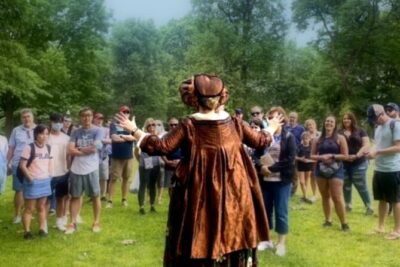
Boston Freedom Trail Walking Tour with Costumed Guide
Read our review →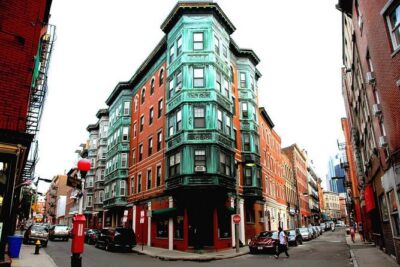
Boston Food & History: Pizza, North End & Freedom Trail
Read our review →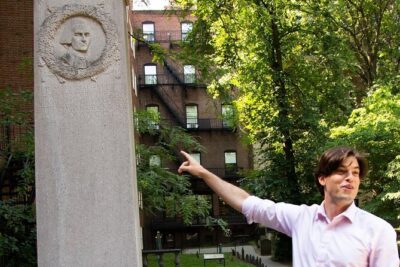
Boston’s Freedom Trail: A Revolutionary Walking Tour
Read our review →Freedom Trail History Small Group Walking Tour
Read our review →Boston’s Freedom Trail: A Revolutionary Walking Tour
Read our review →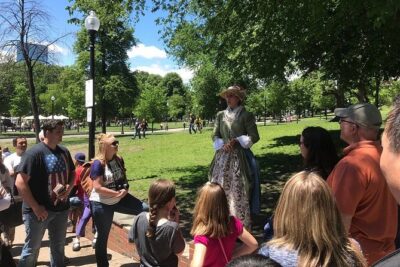

Boston Freedom Trail History Pub Crawl Small-Group Tour
Read our review →Browse the lists this tour appears in